Liquid stone flooring, also known as epoxy stone or poured stone, is a unique flooring option gaining traction among homeowners, businesses, and designers. This innovative flooring is created by blending epoxy resins with natural aggregates like pebbles, sand, or marble chips. The mixture is then poured and leveled onto a prepared surface, resulting in a seamless, durable, and visually striking floor.
In recent years, liquid stone has experienced a surge in popularity, particularly among those seeking a modern and low-maintenance alternative to traditional materials. Its ability to mimic the look of natural stone at a potentially lower cost, combined with its vast customization potential, has made it a sought-after choice for a variety of applications.
What is it?
What is Liquid Stone Flooring?
Liquid stone flooring is a versatile and durable flooring system created by combining a resin binder, typically epoxy, with natural aggregates like pebbles, sand, or marble chips. The result is a seamless, non-porous surface that replicates the look and feel of natural stone, but with added benefits and customization options.
The composition of liquid stone flooring varies depending on the desired appearance and functionality. The most common binder is epoxy resin, valued for its strength, adhesion, and chemical resistance. Aggregates are chosen for their color, size, and texture, contributing to the unique aesthetics of each installation.
The installation process involves several key steps:
Here’s the installation process section rephrased to be more approachable, while maintaining the factual and informative tone:
How it’s installed:
- Getting the base ready: The first step is to make sure the floor is clean, smooth, and free of any damage. Any cracks or holes need to be fixed, and then the whole thing gets a special coating to help the liquid stone stick well.
- Mixing it up: Think of it like baking. You carefully measure the resin (the glue that holds it all together) and the aggregates (the pretty bits of stone) and mix them according to the instructions. This way, you get the right thickness and the color you want.
- Pouring and shaping: The liquid stone mixture is then poured onto the floor and spread out evenly with tools. This is where you can get creative and add patterns or textures.
- The finishing touch: Once the liquid stone has hardened, a clear sealant is applied. This not only makes it shiny but also helps protect it from stains and scratches, so it stays looking good for longer.
A note about other floors:
Liquid stone flooring is kind of like its cousins, epoxy flooring and polished concrete, but it has its own thing going on.
- Epoxy flooring: This also uses epoxy, but it usually doesn’t have the little stones in it, so it’s smoother.
- Polished concrete: This is made by grinding and polishing the top of a concrete floor until it’s shiny. Liquid stone, on the other hand, is poured on top of an existing floor.
So, liquid stone is a cool mix of toughness, good looks, and lots of ways to make it your own, which is why it’s a great choice for both homes and businesses.
Types of Liquid Stone Flooring
Just like there are different flavors of ice cream, liquid stone flooring comes in a few varieties, each with its own unique qualities. The most common types are:
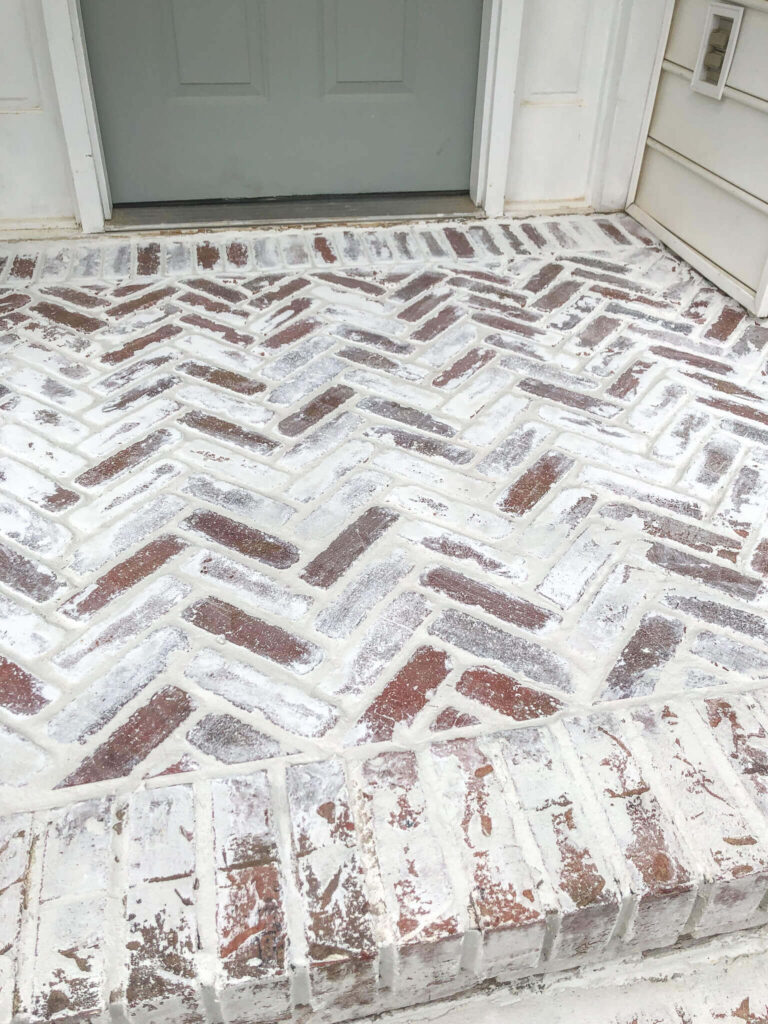
- Mortar-Based: This is the original liquid stone flooring, often used in outdoor applications like patios and pool decks. It’s made with cement as the binder instead of epoxy.
- Pros: Budget-friendly, good for outdoor use because it’s breathable (meaning it lets moisture through).
- Cons: Not as tough as epoxy, more prone to cracking, and not as many color options.
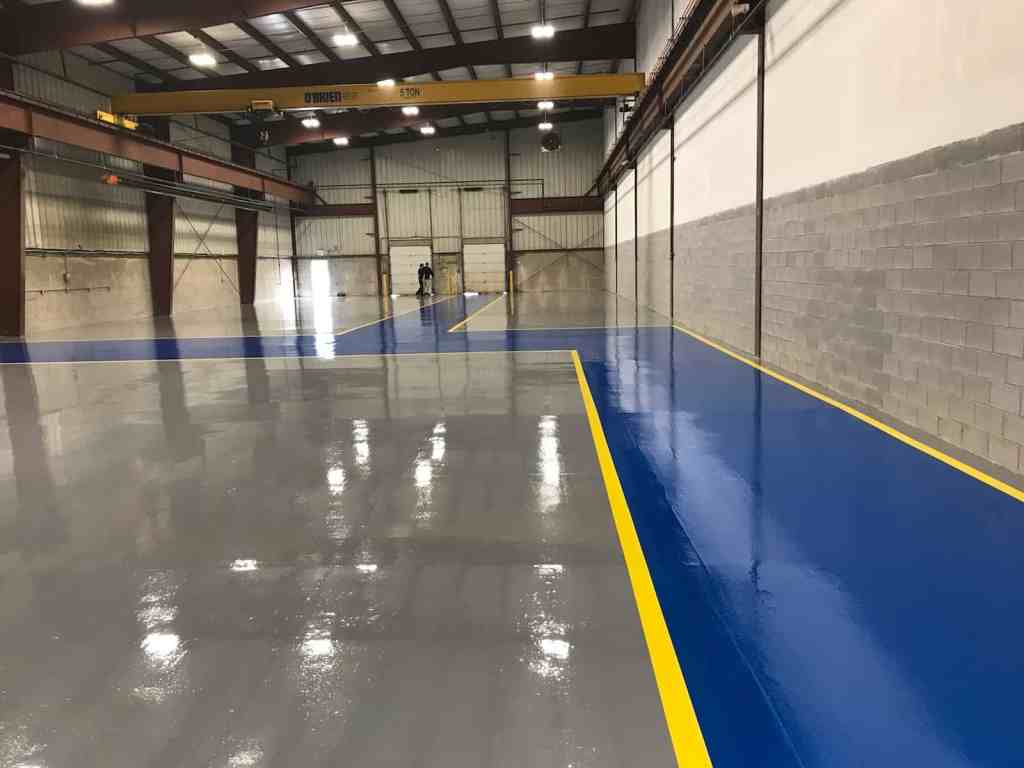
- Epoxy-Based: This is the most popular type for indoor use. The epoxy resin binder makes it super strong, stain-resistant, and easy to clean.
- Pros: Extremely durable, huge range of colors and designs, smooth and shiny finish.
- Cons: Can be a bit pricier, needs professional installation, and not the best choice for areas with lots of sunlight.
- Polyurethane-Based: This is newer to the scene and is a good middle ground between mortar and epoxy. It’s more flexible than epoxy, so it’s less likely to crack, and it’s also UV-resistant.
- Pros: Flexible, UV-resistant, good for both indoor and outdoor use, and still pretty durable.
- Cons: Not quite as strong as epoxy, not as many color options as epoxy, and can be a bit more expensive than mortar.
Where to use them:
- Mortar-Based: Perfect for patios, walkways, pool decks, and other outdoor areas.
- Epoxy-Based: Ideal for kitchens, bathrooms, basements, garages, and high-traffic commercial spaces.
- Polyurethane-Based: A great all-rounder, suitable for indoor and outdoor use, especially where flexibility and UV resistance are important.
Choosing the right type depends on where you’re putting it, how much you want to spend, and the look you’re going for. It’s a good idea to talk to a flooring professional to get their expert advice.
Benefits of Liquid Stone Flooring
Liquid stone flooring offers practical advantages that make it a sensible choice for both homeowners and businesses.
Potential to Increase Property Value:
While not guaranteed, upgrading to a durable and aesthetically pleasing flooring like liquid stone can be seen as a valuable improvement to a property. This may potentially increase its market value and appeal to potential buyers.
Durable and Long-lasting:
Liquid stone flooring is known for its durability. The epoxy resin binder contributes to its ability to withstand heavy foot traffic, dropped objects, and regular use without easily showing signs of wear. This durability can lead to a longer lifespan compared to other flooring materials.
Variety of Styles and Finishes:
Liquid stone offers a wide range of design possibilities. You can choose from a variety of colors, ranging from neutral tones to vibrant hues. Additionally, the aggregates used can create different textures and patterns, such as a terrazzo or river rock effect. This versatility allows you to customize the floor to match your desired aesthetic.
Easy to Clean and Maintain:
The smooth, non-porous surface of liquid stone makes it resistant to dirt, dust, and allergens. It can be easily cleaned with basic sweeping or mopping, requiring less effort compared to other flooring types. The non-porous nature also means it resists staining, making spills easier to clean up.
Hygienic Surface:
The non-porous nature of liquid stone also makes it naturally resistant to bacteria and mold growth. This can be particularly beneficial in areas where hygiene is important, such as kitchens and bathrooms.
Resistant to Damage:
One of the key strengths of liquid stone flooring lies in its impressive resistance to various forms of damage. The combination of stain, heat, and impact resistance makes liquid stone a low-maintenance and worry-free flooring option. It’s designed to withstand the rigors of daily life, maintaining its beauty and functionality for years to come.
Smooth and Seamless Appearance:
Liquid stone flooring creates a smooth, continuous surface without grout lines. This not only contributes to a modern and sleek aesthetic but also makes it easier to clean and can be advantageous for individuals with allergies or mobility concerns.
Drawbacks and Considerations of Liquid Stone Flooring
While liquid stone flooring offers numerous benefits, it’s essential to consider some potential drawbacks before making a decision:
Cost:
Liquid stone flooring can be a more expensive option compared to other flooring materials like laminate or vinyl. The cost includes the price of materials, professional installation, and potential future repairs. The complexity of the design and the size of the area can also influence the overall cost.
Professional Installation Recommended:
Due to the technical nature of the installation process, it’s generally recommended to hire a professional installer. This can add to the overall cost, but it ensures proper surface preparation, mixing of materials, and application techniques, leading to a better and more durable result.
Sensitivity to UV Light:
Epoxy resins, the primary binder in liquid stone flooring, can be sensitive to ultraviolet (UV) light. Prolonged exposure to sunlight can cause yellowing or discoloration over time. While there are UV-resistant sealants available, it’s important to be aware of this potential issue, especially in areas with direct sunlight exposure.
Slippery When Wet:
Liquid stone flooring, particularly when polished to a high gloss, can become slippery when wet. This can be a safety concern, especially in areas prone to moisture, like bathrooms and kitchens. Choosing a finish with added texture or using non-slip mats can help mitigate this issue.
Not Ideal for DIY Projects:
Due to the technical nature of the installation process and the need for specialized tools and knowledge, liquid stone flooring is not typically recommended as a DIY project. Attempting a DIY installation can lead to subpar results, including uneven surfaces, air bubbles, or improper curing, which can compromise the floor’s durability and appearance.
Overall:
While liquid stone flooring presents some drawbacks, they can be managed with careful planning and professional assistance. By understanding these considerations and weighing them against the benefits, you can make an informed decision about whether liquid stone flooring is the right choice for your project.
Application
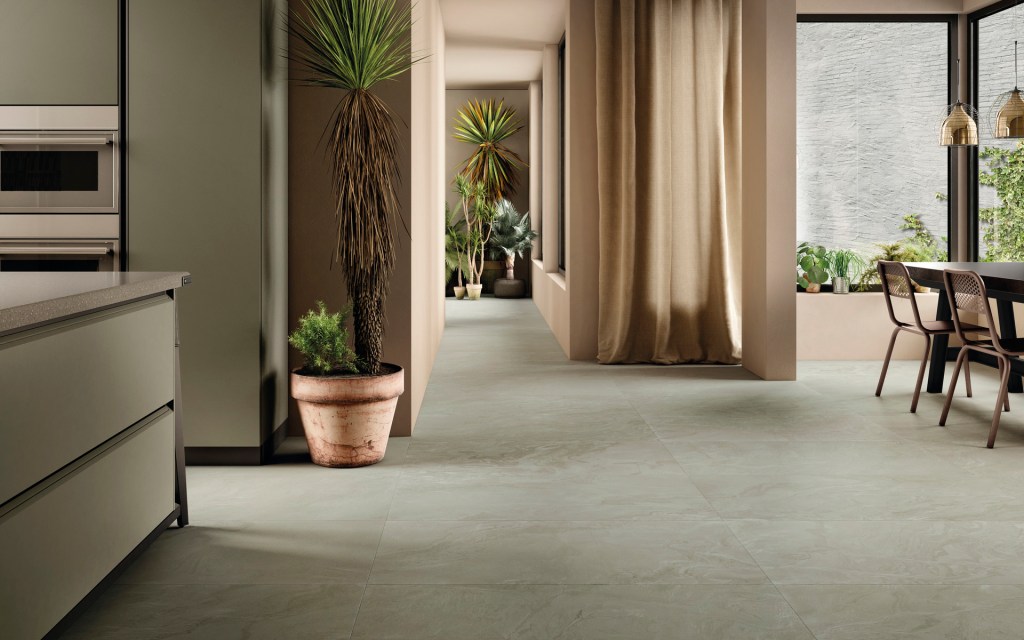
Liquid stone flooring’s versatility makes it a suitable option for a wide range of applications, both indoors and outdoors. In residential settings, it’s a popular choice for kitchens and bathrooms, thanks to its seamless surface, resistance to spills and stains, and ability to withstand moisture. Its sleek and modern aesthetic also makes it a fitting choice for living areas and basements.
Commercially, liquid stone is often found in retail spaces, restaurants, offices, and showrooms due to its eye-catching appearance, durability, and low maintenance requirements. Its hygienic surface and ease of cleaning make it particularly well-suited for restaurants, while its modern and professional look can enhance the ambiance of office spaces.
In industrial environments, liquid stone’s impact resistance and durability make it suitable for warehouses and factories. Its resistance to chemicals and easy cleaning also make it a practical choice for factories where exposure to industrial substances is common.
Outdoors, liquid stone can be used for patios and decks, thanks to slip-resistant options and its ability to withstand the elements. Its resistance to water and chemicals makes it a good option for pool decks, and its textured surface can provide additional traction to prevent slips and falls.
Maintenance and care
Keeping your liquid stone floor looking its best is surprisingly simple, thanks to its low-maintenance nature.
Regular Cleaning:
For daily upkeep, a simple sweep or dust mop is usually enough to remove dirt and debris. For a deeper clean, use a damp mop with a mild, pH-neutral cleaner specifically designed for epoxy or stone floors. Avoid harsh chemicals or abrasive cleaners, as they can damage the sealant and dull the finish.
Recommended Products:
Look for cleaning solutions that are clearly labeled as safe for epoxy or stone surfaces. Commonly recommended brands include Bona Stone, Tile & Laminate Floor Cleaner and Black Diamond Stoneworks Stone & Tile Floor Cleaner.
Preventing Damage:
To prevent scratches, place felt pads under furniture legs and avoid dragging heavy objects across the floor. Use doormats at entrances to trap dirt and grit that can scratch the surface.
Dealing with Spills:
The good news is that liquid stone is pretty stain-resistant. However, it’s always best to clean up spills promptly, especially acidic substances like wine or vinegar. Simply blot the spill with a soft cloth, then wipe the area with a damp mop and mild cleaner.
By following these simple tips, you can keep your liquid stone floor looking beautiful and pristine for years to come.
Conclusion
Liquid stone flooring is a versatile and stylish option that offers a unique blend of durability, aesthetic appeal, and low maintenance. From residential kitchens and bathrooms to commercial spaces and industrial facilities, its applications are vast.
Key takeaways from this comprehensive guide include:
- Liquid stone is a composite flooring material made from epoxy resin and natural aggregates, resulting in a seamless, non-porous surface.
- It comes in various types, each with its own set of pros and cons, suitable for different applications.
- The benefits of liquid stone include its durability, design versatility, ease of cleaning, hygienic properties, and resistance to stains, chemicals, and impact.
- While liquid stone is an attractive option, it’s important to consider its potential drawbacks, including cost, the need for professional installation, sensitivity to UV light, and slipperiness when wet.
If you’re seeking a flooring solution that combines beauty, functionality, and longevity, liquid stone is worth exploring. Its unique characteristics and customization options make it a compelling choice for those who desire a floor that’s as unique as they are. With proper care and maintenance, a liquid stone floor can enhance your space and provide years of enjoyment.


Leave a Reply