Choosing new flooring can feel like navigating a maze of options, with each material promising different benefits and drawbacks. This guide aims to cut through the confusion by providing clear, unbiased information on four common flooring materials: polyvinyl chloride (PVC), sheet vinyl, wood, and laminate.
We understand that every home and homeowner is different, with unique needs, preferences, and budgets. Our goal is to equip you with the knowledge you need to make an informed decision, without any marketing fluff or jargon. Whether you’re drawn to the durability of PVC, the classic appeal of wood, or the budget-friendly nature of laminate, we’ll break down the facts to help you find the perfect flooring for your space.
Recent Google Trends data reveals that the interest in various flooring materials is significant and varied across the United States.
In the past week, “polyvinyl chloride” has garnered the highest search volume, indicating a strong curiosity about this versatile material. Searches for “sheet vinyl flooring” and “laminate flooring” follow closely, demonstrating sustained interest in these popular, budget-friendly options. “Wood flooring” also maintains a steady level of search interest, reflecting its timeless appeal and enduring popularity.
Related queries suggest that users are not only interested in the materials themselves but also in their applications, installation methods, and care requirements. Searches like “best waterproof flooring for bathrooms,” “DIY laminate flooring installation,” and “how to refinish hardwood floors” highlight the practical concerns and information needs of homeowners and renovators.
Overall, the search data paints a picture of a dynamic flooring market, with consumers actively researching and exploring a diverse range of options to find the best fit for their homes.
PVC
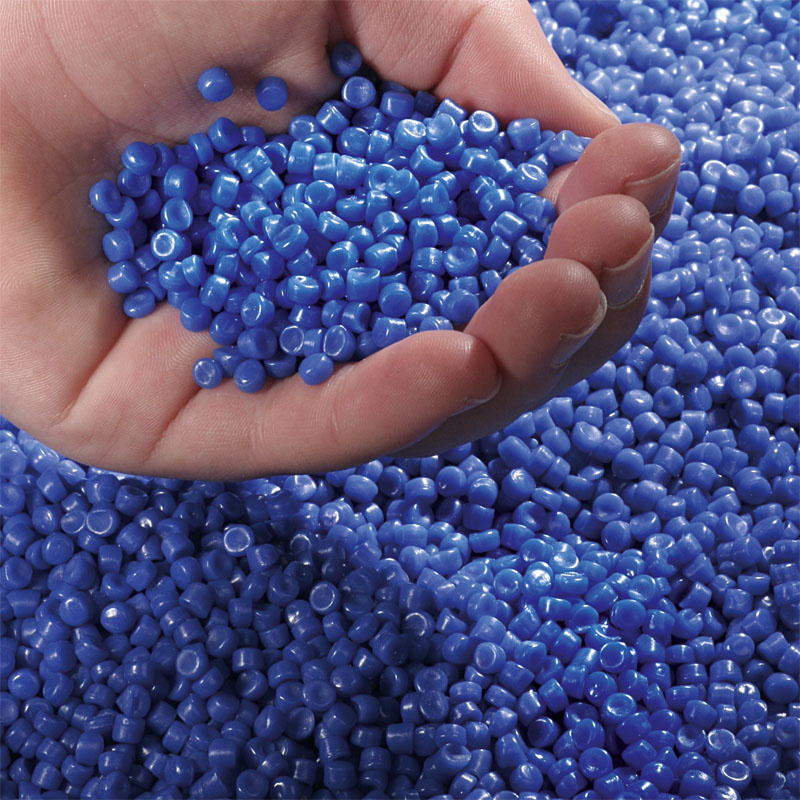
Polyvinyl Chloride (PVC), commonly known as vinyl, is a widely used synthetic plastic material found in various applications, from construction and healthcare to fashion and, notably, flooring. It’s a thermoplastic polymer, meaning it can be melted and reshaped multiple times, making it versatile for manufacturing.
Chemically, PVC is derived from two primary sources: chlorine, obtained from common salt, and ethylene, a byproduct of natural gas or petroleum refining. The combination of these materials through polymerization results in long chains of vinyl chloride monomers, forming the basis of PVC.
Types of PVC Materials
PVC is not a one-size-fits-all material. It comes in various forms, each with distinct properties and applications:
- Rigid PVC (uPVC): This type contains no plasticizers, resulting in a hard, strong, and durable material. uPVC is often used in construction for pipes, windows, doors, and siding due to its resistance to weathering and chemicals.
- Flexible PVC (pPVC): Plasticizers are added to this type to make it softer, more pliable, and easier to bend. Flexible PVC is commonly used in flooring, electrical cable insulation, inflatable products, and various consumer goods.
- Chlorinated PVC (CPVC): This type is created by chlorinating PVC resin, resulting in increased heat resistance and improved chemical stability. CPVC is often used for hot and cold water pipes due to its ability to withstand higher temperatures than standard PVC.
- Modified PVC (mPVC): This category encompasses various PVC formulations modified with specific additives to enhance certain properties. For example, impact modifiers can be added to improve impact resistance, while heat stabilizers can increase thermal stability.
Types of PVC Flooring
In the realm of flooring, PVC is utilized in three primary forms:
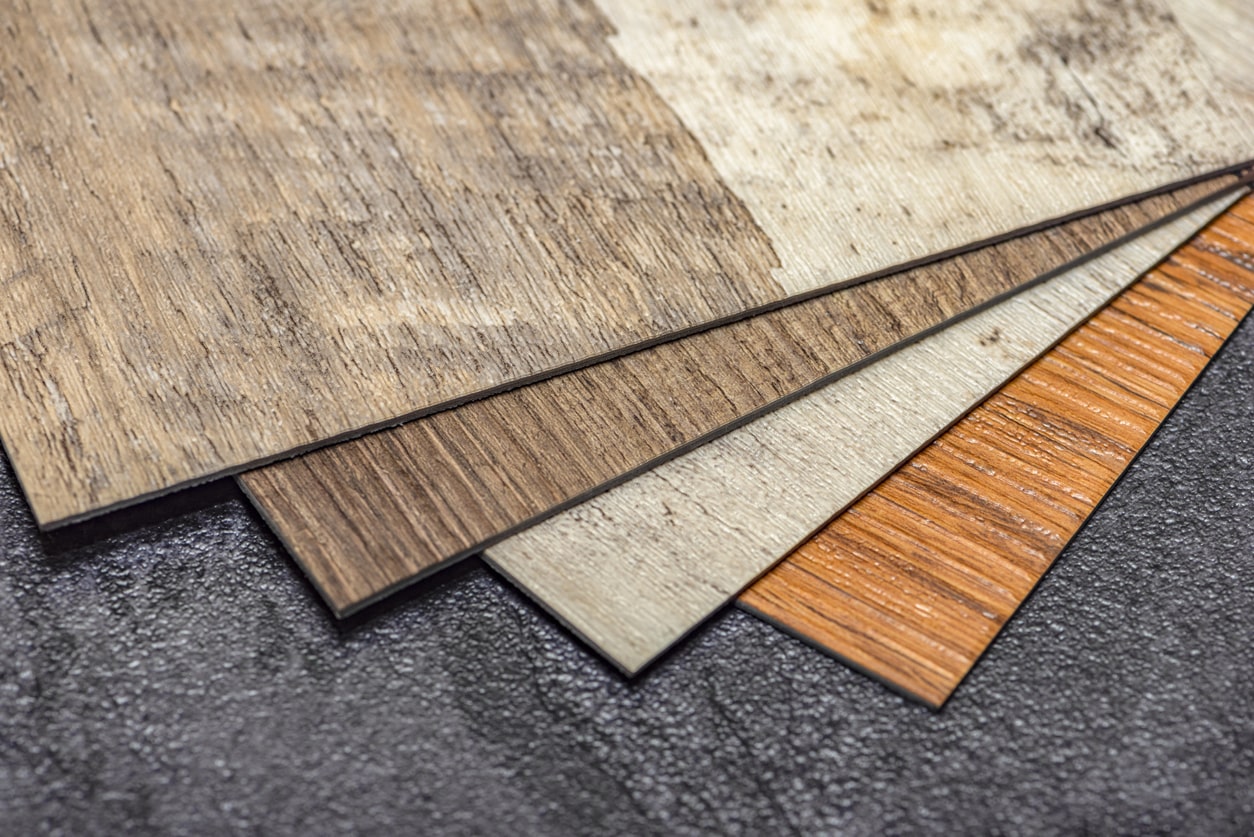
- Luxury Vinyl Plank (LVP): Mimicking the look of hardwood planks, LVP features a multi-layered construction. A photographically printed wear layer gives it the appearance of wood, while a resilient core (often made of SPC or WPC) provides stability and moisture resistance.
- Luxury Vinyl Tile (LVT): Similar to LVP in construction, LVT takes on the appearance of stone or ceramic tiles. The photographic layer is designed to replicate the textures and patterns of these materials, offering a versatile and durable alternative.
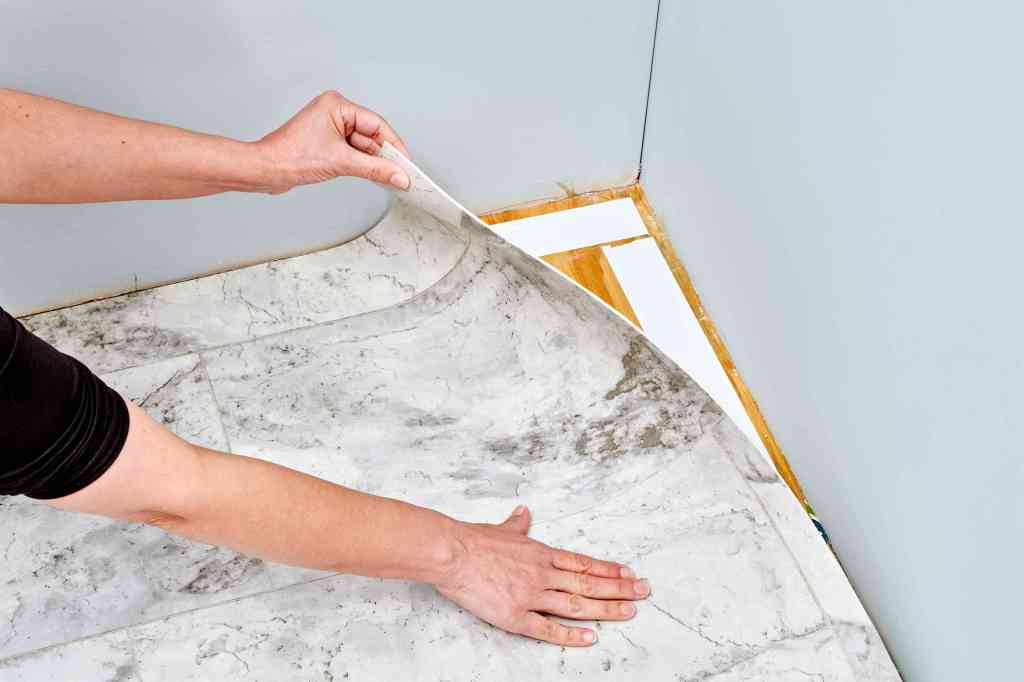
- Sheet Vinyl: This type comes in large, continuous sheets rather than individual planks or tiles. It’s known for its seamless appearance and budget-friendly nature, making it a popular choice for kitchens, bathrooms, and other high-traffic areas.
The Upsides of PVC Flooring
PVC flooring boasts several advantages that contribute to its popularity:
- Durability: It resists scratches, dents, and stains, making it suitable for homes with children or pets.
- Water Resistance: PVC is naturally waterproof, making it an ideal choice for moisture-prone areas like kitchens, bathrooms, and basements. A 2019 study published in the Journal of Building Physics found that PVC flooring maintained its structural integrity and performance even after prolonged exposure to water.
- Affordability: Compared to natural materials like hardwood or stone, PVC flooring is generally more affordable.
- Ease of Maintenance: Vinyl is easy to clean and maintain, requiring only regular sweeping and occasional mopping.
- Versatility: Available in a wide range of colors, patterns, and textures, PVC flooring can complement various design styles.
Environmental Considerations
While PVC offers many benefits, it’s important to be aware of its potential environmental impact. The production of PVC involves the use of chemicals that can raise environmental and health concerns. Additionally, the disposal of PVC flooring can be problematic, as it is not biodegradable.
However, the industry is making strides in addressing these issues. Many manufacturers now offer low-VOC (volatile organic compounds) or recycled content PVC flooring options. These options can reduce the environmental impact of PVC flooring, making it a more sustainable choice for eco-conscious consumers.
Sheet Vinyl Flooring
Sheet vinyl, a stalwart in the flooring world, offers a practical and budget-friendly solution for homeowners seeking water-resistant flooring. Unlike vinyl planks or tiles that come in individual pieces, sheet vinyl is manufactured and installed in large, continuous rolls. This seamless construction eliminates gaps and seams, making it inherently resistant to moisture infiltration.
Composition and Construction
Sheet vinyl typically consists of multiple layers:
- Backing Layer: Provides stability and support for the entire structure.
- Resilient Layer: Adds cushioning and comfort underfoot.
- Printed Design Layer: Creates the visual appearance of the flooring, mimicking various materials like wood, stone, or tile.
- Wear Layer: A transparent top layer that protects the design layer from wear and tear.
Benefits of Sheet Vinyl Flooring
Sheet vinyl’s appeal lies in its practicality and affordability:
- Water Resistance: The absence of seams makes it highly resistant to water damage, making it an excellent choice for kitchens, bathrooms, laundry rooms, and basements.
- Affordability: It’s often one of the most budget-friendly flooring options available.
- Variety: Comes in a vast array of colors, patterns, and textures, allowing for customization to suit various design preferences.
- Easy Installation: While professional installation is recommended for the best results, sheet vinyl can be a DIY-friendly option for experienced homeowners.
- Ease of Maintenance: Regular sweeping and damp mopping are usually sufficient to keep sheet vinyl clean and looking its best.
Considerations and Drawbacks
While sheet vinyl offers many advantages, there are a few factors to keep in mind:
- Durability: The wear layer thickness determines durability. Thinner wear layers may be more susceptible to scratches and wear over time compared to thicker ones or other flooring types like LVP or LVT.
- Subfloor Preparation: Sheet vinyl requires a smooth, level subfloor for proper installation. Any imperfections can show through and compromise the floor’s appearance and longevity.
- Off-Gasing: Some vinyl flooring may release volatile organic compounds (VOCs) after installation, which can impact indoor air quality. Look for low-VOC or VOC-free options to minimize this concern.
Sheet vinyl is an excellent choice for budget-conscious homeowners seeking a water-resistant and versatile flooring solution. Its seamless construction and wide range of design options make it a practical and stylish choice for various rooms in the home.
Wood Flooring
Wood flooring exudes a timeless elegance and warmth that few other materials can match. Its natural beauty, durability, and potential for refinishing make it a prized choice for homeowners seeking a classic and enduring flooring option. However, it’s important to understand the different types of wood flooring, their specific characteristics, and the level of care they require to make an informed decision.
Types of Wood Flooring
- Solid Hardwood: Crafted from a single piece of wood, solid hardwood offers unparalleled authenticity and a rich, natural feel. It’s available in various thicknesses and can be sanded and refinished multiple times, extending its lifespan significantly. However, solid hardwood is more susceptible to moisture damage and can expand or contract with changes in humidity, making it less suitable for basements or bathrooms.
- Engineered Hardwood: Constructed with multiple layers of wood veneers, engineered hardwood offers greater dimensional stability than solid hardwood, making it less prone to warping or buckling. The top layer is a genuine wood veneer, offering the same aesthetic appeal as solid wood. While it can be refinished a few times, the number of refinishing cycles is limited by the thickness of the veneer.
- Parquet: This type of wood flooring features geometric patterns created by arranging small wood pieces. Parquet adds a touch of sophistication and visual interest to any space, but it can be more challenging to install and maintain than plank flooring.
Popular Wood Species
The choice of wood species can significantly impact the appearance and performance of your floor. Here are some popular options:
- Oak: Known for its durability and classic grain patterns, oak is a versatile choice that complements various interior styles.
- Maple: With its smooth, uniform grain and light color, maple offers a clean and contemporary look.
- Walnut: Rich, dark tones and distinctive grain patterns make walnut a luxurious and dramatic choice.
- Cherry: A warm, reddish-brown wood that deepens with age, cherry adds a touch of warmth and character to any space.
- Bamboo: A sustainable and fast-growing grass, bamboo offers a unique aesthetic and exceptional hardness.
Pros and Cons of Wood Flooring
Pros:
- Natural beauty and warmth
- Timeless appeal and classic aesthetic
- Durability and longevity (especially with proper care)
- Potential for refinishing to restore its original beauty
- Can increase home value
Cons:
- Susceptible to scratches, dents, and moisture damage
- Requires regular maintenance, including cleaning, polishing, and occasional refinishing
- Can be expensive compared to other flooring materials
- Not suitable for all rooms, particularly those with high moisture levels
Installation and Maintenance
Wood flooring can be installed using nail-down, glue-down, or floating methods. The best method depends on the type of wood, subfloor condition, and personal preference. Proper maintenance is crucial to ensure the longevity and beauty of wood floors. This includes regular sweeping and vacuuming, cleaning with a damp mop and wood-specific cleaner, and avoiding excessive moisture exposure. Periodic refinishing can restore the floor’s original luster and remove scratches and wear.
Laminate Flooring
Laminate flooring is an engineered product designed to replicate the look of hardwood or stone at a more affordable price point. It consists of multiple layers fused together under high pressure:
- Backing Layer: Provides stability and moisture resistance.
- Core Layer: Typically made of high-density fiberboard (HDF), this layer provides structural integrity and impact resistance.
- Design Layer: A high-resolution photographic image of wood, stone, or tile creates the floor’s visual appearance.
- Wear Layer: A clear, durable layer that protects the design layer from scratches, stains, and fading.
Pros of Laminate Flooring
- Affordability: One of the most budget-friendly flooring options available, making it accessible to a wide range of homeowners.
- Scratch Resistance: The wear layer makes laminate highly resistant to scratches and scuffs from pets, children, and everyday wear and tear.
- Ease of Installation: Most laminate flooring features a click-lock installation system, allowing for relatively easy DIY installation.
- Versatility: Available in a vast array of styles, colors, and patterns, mimicking the look of various wood species, stone types, and tile designs.
Cons of Laminate Flooring
- Moisture Vulnerability: While newer laminate products offer improved moisture resistance, excessive water exposure can still cause warping and damage. It’s generally not recommended for bathrooms or areas prone to frequent spills.
- Limited Refinishing Options: Unlike hardwood, laminate cannot be sanded and refinished. Once the wear layer is damaged, the plank must be replaced.
- Less Authentic Feel: Laminate may not have the same warmth and natural feel underfoot as solid hardwood or stone.
Ideal Applications
Laminate flooring is well-suited for living rooms, bedrooms, dining rooms, and hallways due to its durability and wide range of styles. It’s also a popular choice for commercial spaces with moderate foot traffic.
Maintenance
Maintaining laminate floors is straightforward:
- Sweep or vacuum regularly to remove dirt and debris.
- Clean up spills promptly with a damp cloth or mop.
- Avoid using abrasive cleaners or excessive water, as this can damage the surface.
Overall, laminate flooring offers a practical and cost-effective solution for homeowners seeking the look of hardwood or stone without the high price tag. Its ease of installation and maintenance make it a popular choice for DIYers and busy households alike.
Conclusion
The world of flooring offers a wide range of options, each with its unique set of benefits and drawbacks. PVC flooring, in its various forms, stands out for its durability, water resistance, and affordability, but it’s important to be mindful of its environmental impact and potential for VOC emissions. Sheet vinyl, known for its seamless installation and budget-friendly nature, is a practical choice for high-moisture areas, but may not offer the same level of durability as other options.
Wood flooring, with its timeless appeal and natural beauty, remains a popular choice, but it requires regular maintenance and is susceptible to scratches and moisture damage. Laminate flooring, on the other hand, offers a more affordable alternative with a variety of styles, but it lacks the authenticity and refinishing potential of real wood.
Ultimately, the best flooring for your home depends on your specific needs and preferences. Consider the level of foot traffic, moisture exposure, desired aesthetic, budget, and environmental concerns when making your decision. By carefully weighing the pros and cons of each material, you can confidently choose the flooring that will not only enhance the beauty of your home but also stand the test of time.


Leave a Reply