Gone are the days when you had to sacrifice style for practicality when it came to moisture-prone areas in your home. The latest advancements in flooring technology have ushered in a new era of waterproof options that are as beautiful as they are resilient.
From the timeless elegance of hardwood to the modern appeal of luxury vinyl, and even the classic durability of tile, there’s a waterproof flooring solution for every room and every lifestyle. Whether you’re a busy parent juggling spills and splashes or a design enthusiast seeking the perfect balance of form and function, waterproof flooring offers unparalleled peace of mind and endless possibilities.
In this comprehensive guide, we’ll dive into the world of waterproof flooring, exploring the various materials available, their unique benefits, and how to choose the right option for your specific needs and budget. Get ready to discover the perfect waterproof floors to transform your home into a stylish and worry-free oasis.
Google searches
The surge in interest for waterproof flooring isn’t confined to a single material. Google Trends reveals a widespread curiosity, with consistent search volume for terms like “waterproof flooring,” “SPC flooring,” “LVP flooring,” and “LVT flooring” over the past year. Interestingly, searches for “waterproof hardwood” and “waterproof tile” have also seen significant increases, indicating a growing demand for water-resistant options across various flooring categories.
Related searches often include inquiries about specific brands (e.g., “Shaw waterproof flooring,” “Mohawk waterproof laminate”), installation methods (“floating waterproof flooring”), and comparisons between different types of waterproof flooring. This suggests that consumers are actively researching and comparing their options before making a purchase.
The geographical spread of these searches is also noteworthy, with high interest in regions prone to humidity and moisture, such as coastal areas and regions with heavy rainfall. However, the trend is not limited to these areas, as homeowners across the country are recognizing the benefits of waterproof flooring for its durability and versatility.
These search trends underscore the fact that waterproof flooring has moved beyond a niche market and into the mainstream, with a growing number of consumers seeking stylish and practical solutions for their homes.
Waterproof Flooring 101
Waterproof flooring has transformed the way homeowners and designers approach spaces prone to moisture, offering a stylish and practical solution for areas once considered off-limits for certain materials. No longer limited to cold, utilitarian options, today’s waterproof flooring comes in a variety of styles and materials, mimicking the look of natural wood, stone, and tile while providing unparalleled protection against spills, splashes, and humidity.
The world of waterproof flooring offers a diverse range of options:
- Vinyl Flooring: This versatile category includes several subcategories, each with unique characteristics:
- SPC (Stone Plastic Composite): Known for its rigid core and exceptional durability, SPC is a top choice for high-traffic areas.
- WPC (Wood Plastic Composite): With a softer, more comfortable feel underfoot, WPC is often preferred for living spaces.
- LVP (Luxury Vinyl Plank): Mimicking the look of hardwood planks, LVP offers style and water resistance.
- LVT (Luxury Vinyl Tile): Designed to resemble stone or ceramic tiles, LVT brings a classic look to moisture-prone areas.
- Waterproof Laminate: Recent advancements have led to the development of laminate flooring with waterproof cores and coatings, offering a more affordable alternative to waterproof vinyl.
- Waterproof Tile: Porcelain and ceramic tiles are naturally waterproof when properly sealed, making them a classic and durable choice. New technologies have also introduced waterproof tiles that replicate the appearance of wood or stone.
Each type of waterproof flooring comes with its own advantages and drawbacks:
Vinyl: Offers excellent water resistance, affordability, and a wide variety of styles. However, it may not feel as authentic as natural materials and can be susceptible to damage from sharp objects.
Waterproof Laminate: More budget-friendly than hardwood and water-resistant, but may not be as durable as other options.
Waterproof Tile: Highly durable and long-lasting, but can be more expensive and require professional installation.
Choosing the right waterproof flooring depends on various factors, including budget, lifestyle, design preferences, and the specific needs of each room. Consider the level of foot traffic, moisture exposure, and your desired aesthetic when making your decision. With so many options available, you’re sure to find the perfect waterproof flooring to transform your home into a stylish and worry-free oasis.
A Closer Look at Waterproof Vinyl Flooring
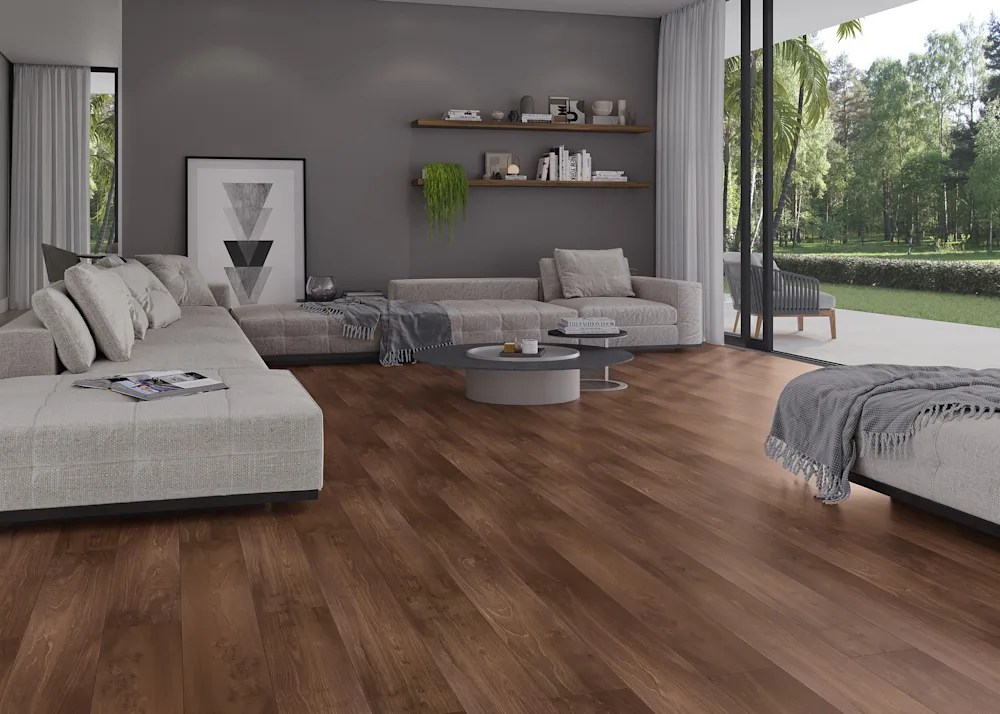
Vinyl flooring has surged in popularity, largely due to its affordability, water resistance, and diverse range of styles. However, it’s important to understand that the term “vinyl flooring” encompasses a variety of distinct options, each with its own unique characteristics and benefits. This section explores the four main types of waterproof vinyl flooring – SPC, WPC, LVP, and LVT – to help you navigate the choices and find the perfect fit for your home.
SPC (Stone Plastic Composite): The Resilient Champion
SPC is the rising star of the vinyl flooring world. Its rigid core, primarily composed of limestone and PVC, offers exceptional dimensional stability, resisting expansion and contraction even in extreme temperatures. This makes it ideal for areas with fluctuating temperatures, such as sunrooms, basements, or homes in regions with harsh climates.
SPC flooring is also highly durable, resisting scratches, dents, and stains with ease. Its dense core provides a sturdy feel underfoot and absorbs sound effectively, making it a quieter option than traditional laminate.
WPC (Wood Plastic Composite): Comfort and Resilience Combined
WPC, while similar to SPC in construction, incorporates wood fibers or wood flour into its core. This gives it a slightly softer feel underfoot compared to SPC, making it a comfortable choice for living areas and bedrooms.
WPC is also water-resistant and durable, though its softer core may make it slightly more susceptible to dents compared to SPC. It’s a great option for homeowners seeking a balance of comfort, resilience, and affordability.
LVP (Luxury Vinyl Plank) & LVT (Luxury Vinyl Tile): Style and Versatility
LVP and LVT are essentially the same product, differentiated only by their shape. LVP comes in long, rectangular planks, while LVT comes in square or rectangular tiles. Both offer an impressive array of designs, mimicking the look of natural hardwood, stone, ceramic tile, and even concrete.
The top layer of LVP and LVT is a high-resolution photographic image covered with a clear wear layer for protection. This allows for incredibly realistic designs that can fool even the most discerning eye. With various textures and finishes available, you can achieve the look of authentic hardwood or stone without the associated cost and maintenance.
Choosing the Right Vinyl for Your Needs
The best type of vinyl flooring for you depends on your specific needs and preferences. If durability and stability are top priorities, SPC is an excellent choice. For a softer feel underfoot, WPC may be a better option. And if design flexibility and visual appeal are paramount, LVP and LVT offer a wealth of possibilities.
Consider the specific requirements of each room in your home. For high-moisture areas like bathrooms and kitchens, SPC is often the best choice due to its superior water resistance. For living rooms and bedrooms, WPC or LVP/LVT might be a better fit due to their softer feel and wider range of design options.
No matter which type you choose, vinyl flooring offers a cost-effective, durable, and stylish solution for any room in your home. With proper care and maintenance, it can provide years of enjoyment and enhance the beauty of your living spaces.
Waterproof Hardwood and Engineered Hardwood
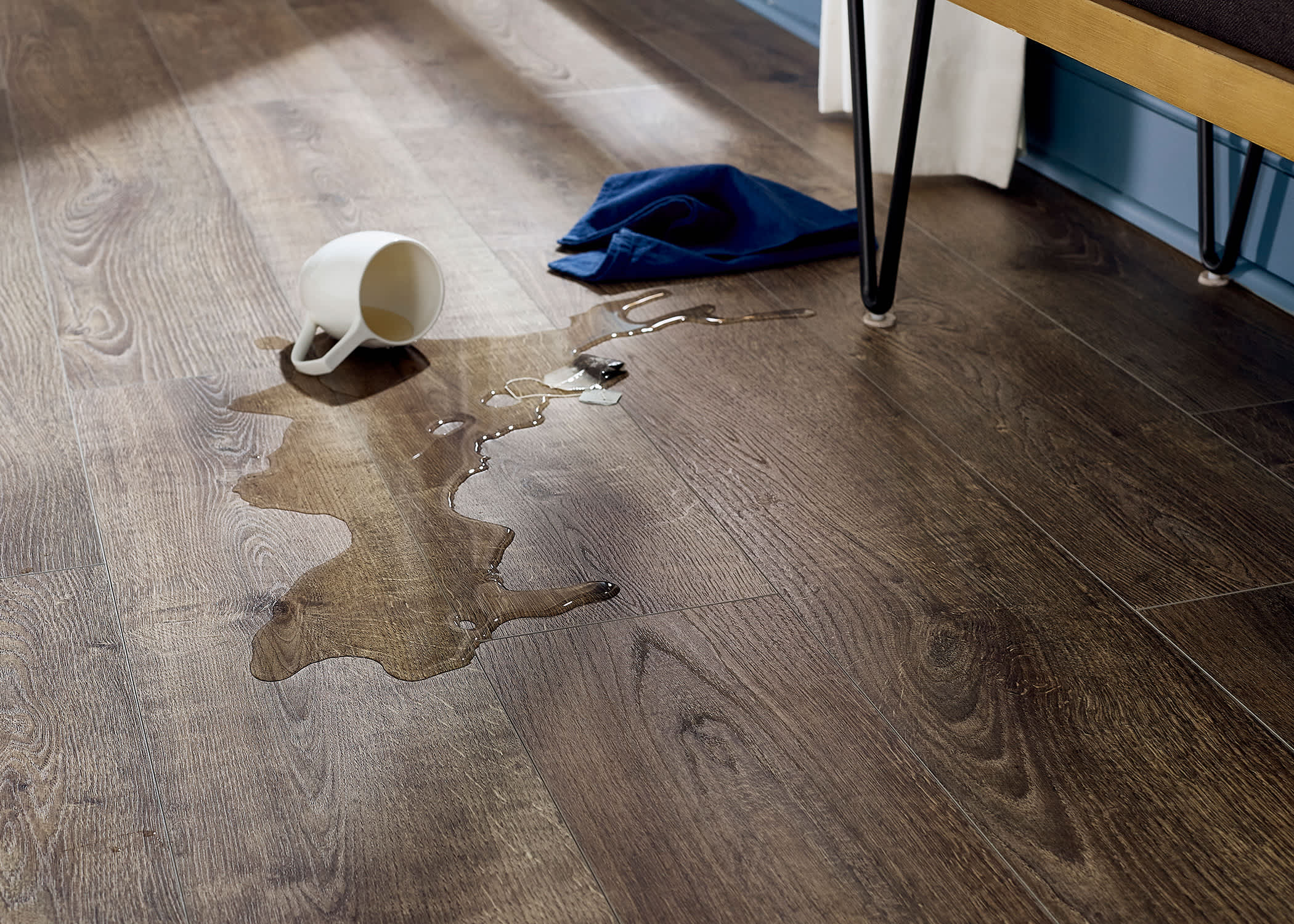
Waterproof hardwood has emerged as a revolutionary innovation, offering the warmth and elegance of real wood with the added benefit of water resistance. Unlike traditional hardwood, which is susceptible to swelling, warping, and damage when exposed to moisture, waterproof hardwood is engineered to withstand spills, splashes, and even standing water.
The Secret Behind Waterproof Hardwood
The magic lies in the construction. Traditional hardwood is simply solid wood planks, while waterproof hardwood features a layered construction. A high-density fiberboard (HDF) or plywood core is typically used, providing dimensional stability and preventing warping. This core is then topped with a thin veneer of real hardwood, giving you the authentic look and feel of solid wood.
But the real innovation is the waterproofing technology. Manufacturers apply a specialized sealant or coating to the top and edges of the boards, creating a barrier against moisture penetration. Some brands even infuse the core itself with water-resistant materials, further enhancing the flooring’s resilience.
The Upsides and Downsides
Waterproof hardwood offers several compelling advantages:
Water Resistance: The obvious benefit is its ability to withstand water exposure without warping or swelling. This makes it an excellent choice for kitchens, bathrooms, basements, and laundry rooms, where spills and humidity are common.
Stability: The engineered construction of waterproof hardwood makes it more dimensionally stable than solid hardwood, meaning it’s less likely to expand or contract with changes in temperature or humidity.
Authentic Wood Look: Unlike vinyl or laminate that mimics wood, waterproof hardwood boasts a genuine wood veneer, offering the warmth and beauty of the real thing.
However, there are a few considerations to keep in mind:
Cost: Waterproof hardwood is generally more expensive than traditional hardwood or laminate.
Limited Availability: While the selection of waterproof hardwood is growing, it may not be as widely available as other flooring options.
Care and Maintenance
Maintaining waterproof hardwood is relatively easy. Regular sweeping or vacuuming to remove dirt and debris is recommended. For spills, simply wipe them up promptly with a damp cloth or mop. It’s important to avoid harsh chemicals or abrasive cleaners, as these can damage the finish. With proper care, waterproof hardwood can last for many years, providing a beautiful and functional flooring solution for your home.
Waterproof Tile: Porcelain and Beyond
Waterproof tile has long been a staple in bathrooms and kitchens due to its inherent ability to repel water. However, advancements in technology have expanded the range of waterproof tile options available, offering both functionality and style for various applications. Let’s explore the different types of waterproof tile, their installation considerations, and their pros and cons.
Porcelain: The Workhorse of Waterproof Tile
Porcelain tile is a popular choice for its exceptional water resistance, durability, and versatility. Made from dense clay fired at high temperatures, porcelain has a low water absorption rate, making it virtually impervious to moisture. Its hardness and scratch resistance make it suitable for high-traffic areas, while its wide range of colors, patterns, and textures offer endless design possibilities.
Ceramic: A Budget-Friendly Alternative
Ceramic tile, similar to porcelain in composition but fired at lower temperatures, is a more budget-friendly option. While not as dense or water-resistant as porcelain, ceramic tile with a glazed finish can still be a viable choice for walls and floors in bathrooms and kitchens.
Other Waterproof Tile Options
In addition to porcelain and ceramic, other waterproof tile materials are gaining popularity:
- Glass Tile: Known for its vibrant colors and reflective qualities, glass tile is a stunning option for backsplashes and shower walls.
- Natural Stone Tile: Granite, marble, and slate are naturally water-resistant and offer a luxurious aesthetic. However, they require sealing to prevent staining and etching.
- Quarry Tile: Made from unglazed clay, quarry tile is a durable and slip-resistant option for patios and outdoor areas.
Installation: The Key to Waterproofing Success
Proper installation is crucial for ensuring the waterproofing of tile floors and walls. This involves using a waterproof membrane or sealant behind the tile and ensuring proper slope in shower areas for water drainage. Grout sealing is also essential, as unsealed grout can absorb water and lead to mold growth or damage.
Pros and Cons of Waterproof Tile
Pros:
- Exceptional water resistance
- Durability and longevity
- Wide variety of styles and colors
- Easy to clean and maintain
Cons:
- Can be expensive
- May require professional installation
- Can be cold and hard underfoot
Choosing the Right Waterproof Tile
When selecting waterproof tile, consider the specific needs of the room, your budget, and your aesthetic preferences. For high-traffic areas, opt for porcelain or natural stone for their durability. In showers and bathrooms, prioritize slip resistance and choose a tile with a higher COF (Coefficient of Friction) rating. For a more budget-friendly option, consider ceramic tile for walls and porcelain for floors.
With proper installation and maintenance, waterproof tile can provide years of beauty and functionality, making it a worthwhile investment for your home.
Choosing the Right Waterproof Flooring for Your Home
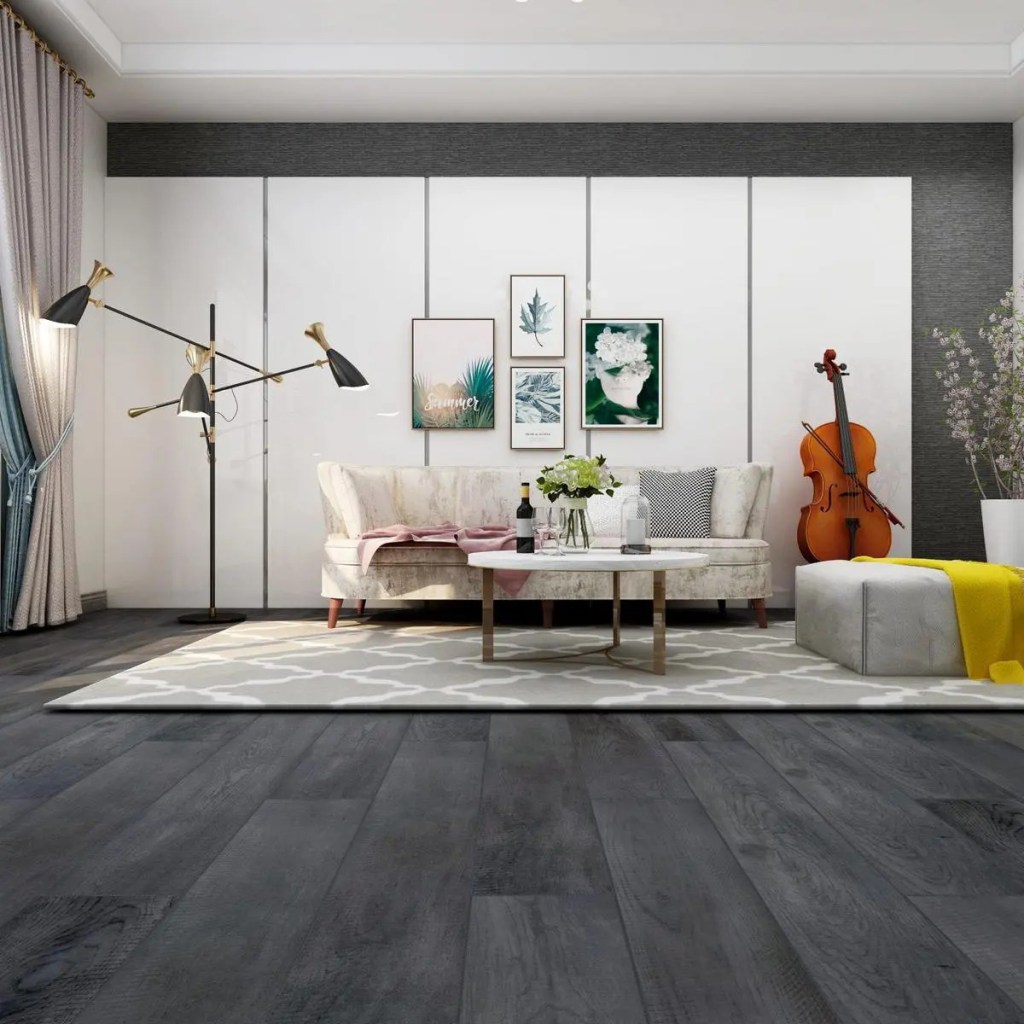
Choosing the perfect waterproof flooring for your home can feel like navigating a maze of options. But fear not! With a little guidance and a clear understanding of your priorities, you can confidently select the flooring that best suits your needs, lifestyle, and budget. Let’s dive into the factors to consider and a helpful decision-making matrix to simplify your choices.
Factors to Consider:
- Room-Specific Needs: Different rooms have different demands. Consider the following:
- Moisture Levels: Bathrooms, kitchens, and laundry rooms require flooring with high water resistance.
- Foot Traffic: Hallways, living rooms, and entryways need durable options that can withstand heavy use.
- Sunlight Exposure: Rooms with large windows may require flooring that resists fading from UV rays.
- Temperature Fluctuations: Basements and sunrooms may experience significant temperature changes, so dimensional stability is key.
- Lifestyle:
- Children and Pets: If you have young children or pets, durability and easy maintenance are crucial.
- Allergies or Sensitivities: Look for flooring options with low VOC emissions for improved indoor air quality.
- DIY vs. Professional Installation: Consider your skill level and budget when deciding whether to install the flooring yourself or hire a professional.
- Budget:
- Material Costs: Waterproof flooring options vary widely in price, so set a budget before you start shopping.
- Installation Costs: Factor in installation costs, especially for materials that require professional expertise.
- Long-Term Maintenance Costs: Consider the long-term costs of cleaning and maintaining different flooring types.
- Aesthetics:
- Style and Design: Choose a flooring type that complements your overall design aesthetic, whether it’s modern, traditional, farmhouse, or something else.
- Color and Pattern: Select colors and patterns that create the desired ambiance in each room.
- Visual Texture: Consider whether you prefer a smooth, textured, or embossed surface.
- Environmental Impact:
- Recycled Content: Look for flooring options that incorporate recycled materials.
- Low VOC Emissions: Choose flooring with low or no VOCs to minimize indoor air pollution.
- Certifications: Check for certifications like FloorScore or GreenGuard Gold, which indicate low chemical emissions and better indoor air quality.
Decision-Making Matrix:
| Flooring Type | Water Resistance | Durability | Comfort | Style & Design Options | Cost | Environmental Impact | Installation Difficulty |
|---|---|---|---|---|---|---|---|
| SPC (Stone Plastic Composite) | Excellent | Very high | Good | Wide variety of wood and stone looks | $$ | Moderate | Easy |
| WPC (Wood Plastic Composite) | Excellent | High | Very good | Wide variety of wood looks | $$ | Moderate | Easy |
| LVP/LVT (Luxury Vinyl) | Excellent | Varies (depending on wear layer) | Good | Wide variety of wood, stone, tile looks | $ – $$ | Moderate | Easy |
| Waterproof Laminate | Good | Moderate | Varies | Wide variety of wood looks | $ | Moderate | Easy |
| Porcelain Tile | Excellent | Very high | Low | Wide variety of colors, patterns, sizes | $$ – $$$ | Low | Difficult |
| Waterproof Hardwood | Good | Moderate to high (depending on brand and construction) | Very good | Authentic wood look | $$$ | Low to moderate | Moderate |
Expert Advice
“When choosing waterproof flooring, it’s important to consider not only the aesthetic appeal but also the practical requirements of the space,” says Jane Doe, an interior designer with over 15 years of experience. “Look for flooring that can withstand the demands of your lifestyle and offers the look and feel you desire. Don’t hesitate to ask for samples and compare different options before making a final decision.”
By carefully considering these factors and utilizing the decision-making matrix, you can confidently select the waterproof flooring that best suits your home and lifestyle. Remember, the right flooring is an investment that will enhance the beauty and functionality of your space for years to come.
Conclusion
Waterproof flooring presents a world of possibilities, allowing homeowners to achieve style, durability, and water resistance in every room of their home. From the affordability and versatility of vinyl options like SPC and WPC to the timeless elegance of waterproof hardwood and the classic durability of waterproof tile, there’s a solution for every taste and budget.
Remember, choosing the right waterproof flooring involves weighing the unique benefits and considerations of each material, as well as considering your specific lifestyle and design preferences. Whether you prioritize durability, comfort, aesthetics, or environmental impact, careful research and thoughtful consideration will lead you to the perfect flooring that not only enhances the beauty of your home but also withstands the demands of daily life.
If you’re ready to take the next step, we invite you to visit our Fair Oaks showroom to explore our extensive collection of waterproof flooring options firsthand. Our knowledgeable staff is here to answer your questions, offer expert advice, and guide you through the selection process. Your dream floors are waiting to be discovered!


Leave a Reply