Stepping into a gym, it’s easy to overlook the flooring beneath your feet.
Yet, that surface plays a more significant role than you might think. Gym flooring can impact your workout experience, the longevity of your equipment, and even the overall atmosphere of the gym.
The choices can seem overwhelming, with a variety of options available for different gym needs. From shock-absorbing rubber for weightlifting areas to smooth, comfortable surfaces for cardio zones, the right flooring can enhance safety and optimize training.
In this guide, we’ll break down the different types of gym flooring, each with its own advantages and considerations. We’ll explore factors like shock absorption, durability, maintenance, and cost to help you understand the nuances of each option. By the end, you’ll have the knowledge to make an informed decision and choose the flooring that best suits your specific gym environment and goals.
Understanding Your Gym’s Needs
Choosing the perfect gym flooring begins with a thorough understanding of your gym’s specific needs. This will help you narrow down the options and focus on the features that matter most for your facility.
Workout Variety: The types of workouts performed in your gym play a crucial role in determining the ideal flooring. Consider the following:
- Weightlifting: Areas dedicated to free weights and heavy lifting demand flooring with excellent shock absorption and durability to withstand dropped weights and heavy equipment.
- Cardio: Treadmills, ellipticals, and stationary bikes require a surface that provides adequate traction and cushioning for repetitive movements.
- Group Fitness Classes: If you offer classes like Zumba, yoga, or Pilates, consider flooring that is comfortable for bare feet and offers good energy return for jumping and dynamic movements.
- Functional Fitness: If your gym focuses on functional fitness training (e.g., CrossFit), you’ll need versatile flooring that can handle everything from sled pushes to burpees.
Traffic Level: The number of people using your gym daily will also impact your flooring choice. High-traffic areas, like weightlifting zones and cardio areas, need more durable flooring that can withstand constant wear and tear.
Budget: Gym flooring costs can vary significantly depending on the material, thickness, and quality. It’s essential to establish a budget upfront and look for options that offer the best value for your investment. Keep in mind that higher-quality flooring may have a higher upfront cost but could save you money in the long run due to increased durability and reduced maintenance needs.
Aesthetic Preferences: While functionality is paramount, the look of your gym flooring also matters. The color and pattern can influence the overall atmosphere and ambiance of your facility. Consider your brand identity and the desired mood you want to create. Many flooring options come in a wide range of colors and designs, allowing you to customize the look to match your gym’s aesthetic.
By carefully considering these factors, you’ll be well on your way to choosing the perfect gym flooring that meets the unique demands of your facility and enhances the overall experience for your members.
“The right gym flooring isn’t just about aesthetics; it’s a critical factor in ensuring the safety of your athletes and the longevity of your equipment.”
Rubber Flooring
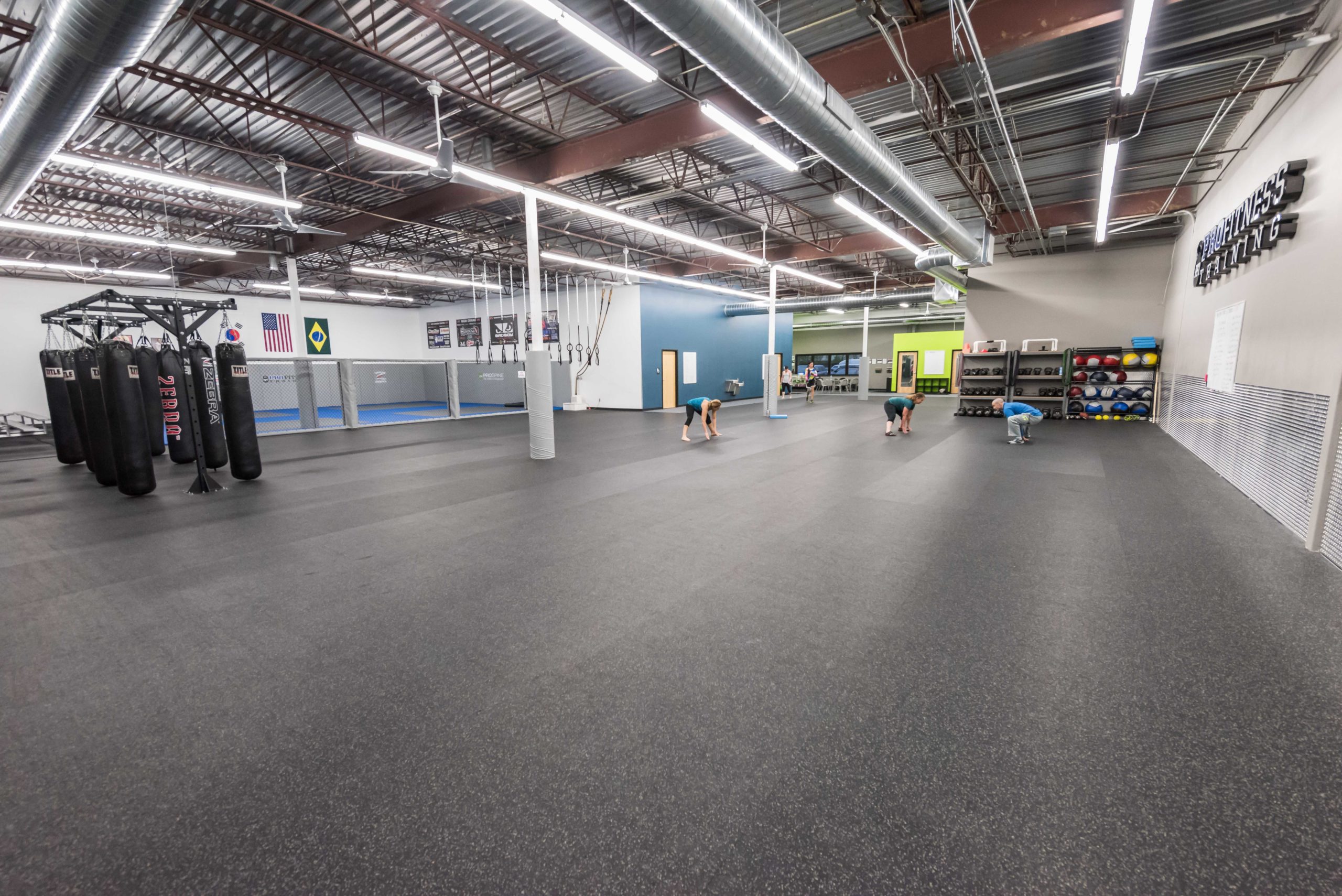
Rubber flooring is a popular choice for gyms due to its durability, shock absorption, and versatility. It comes in various forms, each with its own advantages and drawbacks.
Pros:
Shock Absorption: Rubber excels at absorbing impact, making it ideal for weightlifting areas and protecting both athletes’ joints and the subfloor from damage.
Durability: Rubber is highly resistant to wear and tear, able to withstand heavy foot traffic and dropped weights, making it a long-lasting option for high-use areas.
Noise Reduction: Rubber’s natural properties help dampen sound, creating a quieter gym environment and reducing noise complaints from neighboring businesses or residents.
Slip Resistance: Rubber provides good traction, even when wet, minimizing the risk of slips and falls.
Variety of Options: Rubber flooring comes in various thicknesses, colors, and designs, allowing for customization to match your gym’s aesthetic.
Cons:
Initial Cost: Rubber can be more expensive upfront compared to some other flooring options.
Odor: Some types of rubber, particularly recycled rubber, may emit an initial odor that can dissipate over time.
Maintenance: While generally easy to clean, rubber can be susceptible to staining and may require specific cleaning products to avoid damage.
Types of Rubber Flooring:
- Rubber Tiles: Interlocking rubber tiles offer easy installation and replacement if individual tiles become damaged. They are available in various sizes and thicknesses, providing flexibility in design and function.
- Rubber Rolls: Rubber rolls are typically less expensive than tiles and offer a seamless look. However, they can be more challenging to install and replace if damaged.
- Recycled Rubber: Made from recycled tires, recycled rubber is an eco-friendly option that often comes at a lower cost. However, it may have a stronger initial odor compared to virgin rubber.
Understanding the pros, cons, and different types of rubber flooring can help you determine if it’s the right fit for your gym’s specific needs and budget. Consider the specific areas of your gym and the type of workouts performed when evaluating the suitability of rubber flooring.
Foam Flooring
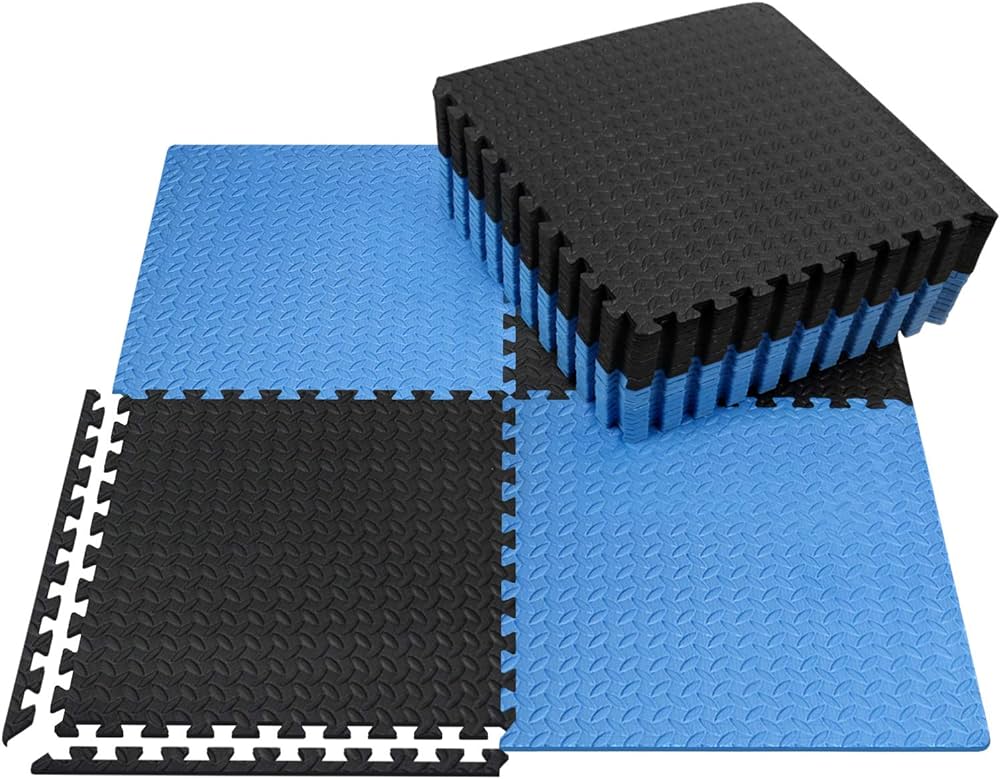
Foam flooring is known for its softness, cushioning, and versatility, making it a popular choice for specific areas within gyms and fitness facilities.
Pros:
- Comfort: Foam provides excellent cushioning and support, making it ideal for activities that require floor work, such as yoga, Pilates, and stretching.
- Safety: The soft surface helps to reduce impact and minimize the risk of injuries from falls, making it suitable for children’s play areas or areas with low-impact exercises.
- Insulation: Foam acts as a thermal insulator, helping to keep the floor warm and comfortable, especially in colder climates.
- Noise Reduction: Foam helps to absorb sound, creating a quieter environment for activities that require focus and concentration.
- Easy Installation: Foam tiles are often lightweight and interlocking, making them easy to install and rearrange.
- Affordability: Foam flooring is generally a more budget-friendly option compared to rubber or other flooring materials.
Cons:
- Durability: Foam is less durable than rubber and can be prone to punctures, tears, and indentation under heavy weights or equipment. It may not be suitable for high-traffic areas or areas with heavy use.
- Limited Shock Absorption: While foam provides cushioning, it may not offer the same level of shock absorption as rubber, making it less ideal for heavy weightlifting areas.
- Cleaning: Some foam surfaces can be more difficult to clean than rubber, as they may absorb liquids and stains.
Ideal Uses:
- Yoga and Pilates Studios: Foam’s comfort and support make it an excellent choice for these activities, providing a cushioned surface for poses and stretches.
- Children’s Areas: The soft surface is safe for kids to play on, reducing the risk of injuries from falls.
- Stretching and Warm-up Areas: Foam provides a comfortable space for stretching and warming up before and after workouts.
- Low-Impact Exercise Zones: Foam is suitable for low-impact activities like bodyweight exercises, balance training, and rehabilitation exercises.
It’s important to note that foam flooring is not recommended for areas with heavy weights or equipment, as it may not withstand the impact and pressure. However, for specific applications where comfort, safety, and noise reduction are priorities, foam flooring can be a valuable addition to your gym.
“Choosing the right gym flooring is an investment that can significantly impact your gym’s success.”
Carpet Tiles
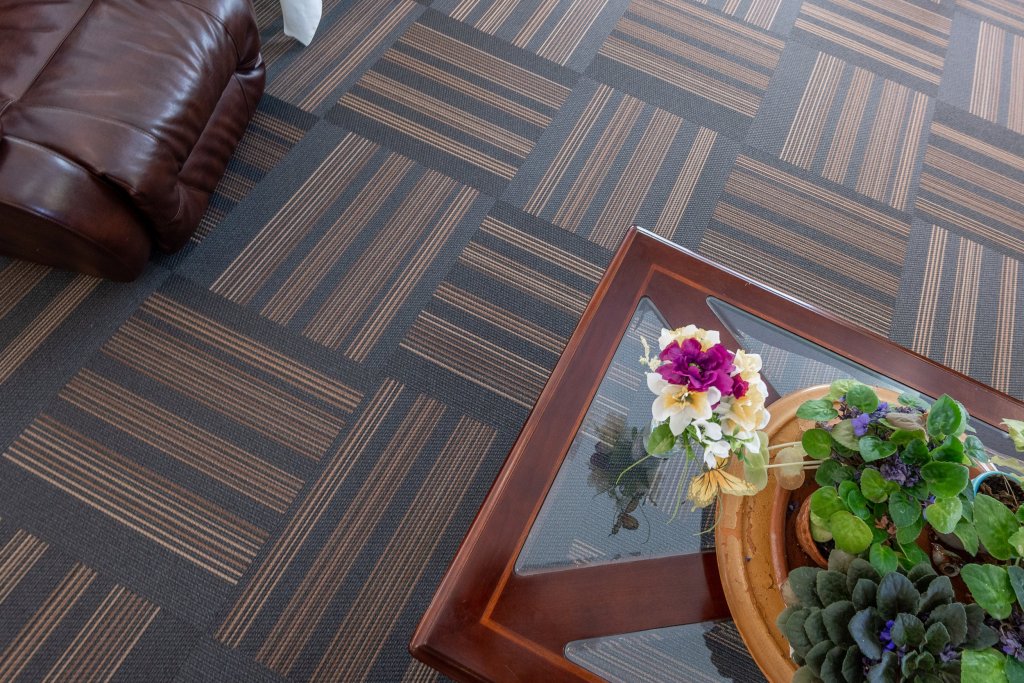
Carpet tiles, while less common for main workout areas, offer unique benefits that make them a practical choice for specific zones within your gym facility.
Pros:
- Versatility: Carpet tiles come in a vast array of colors, patterns, and textures, allowing for design flexibility and customization to match your gym’s aesthetic.
- Easy Installation and Replacement: Individual tiles are simple to install and replace, making them ideal for areas prone to spills or stains. Damaged tiles can be swapped out without needing to replace the entire floor.
- Noise Reduction: Carpet tiles offer excellent sound absorption, helping to create a quieter environment in areas like offices, locker rooms, or reception areas.
- Comfort: Carpet tiles provide a soft and warm surface underfoot, making them comfortable for walking and standing.
- Improved Air Quality: Some carpet tiles are designed to trap dust and allergens, helping to improve indoor air quality.
Cons:
- Not Ideal for High-Traffic Areas: Carpet tiles may not be the most durable option for heavy foot traffic or areas with heavy equipment, as they can wear down and become compressed over time.
- Moisture Sensitivity: Carpet can absorb moisture, potentially leading to mold or mildew growth if not properly dried.
- Maintenance: Carpet tiles require regular vacuuming and occasional deep cleaning to maintain their appearance and hygiene.
Suitability for Specific Areas:
- Locker Rooms: Carpet tiles provide a comfortable and inviting surface for changing areas. Choose moisture-resistant options for better durability and hygiene.
- Offices and Reception Areas: Carpet tiles can help create a warm and professional atmosphere in administrative spaces. Their sound-absorbing properties can also be beneficial in these areas.
- Stretching and Cool-Down Areas: The soft surface of carpet tiles can be comfortable for stretching and cooling down after workouts.
While not recommended for main workout areas, carpet tiles can be a valuable addition to your gym in specific zones where comfort, aesthetics, and noise reduction are key priorities.
Wood Flooring
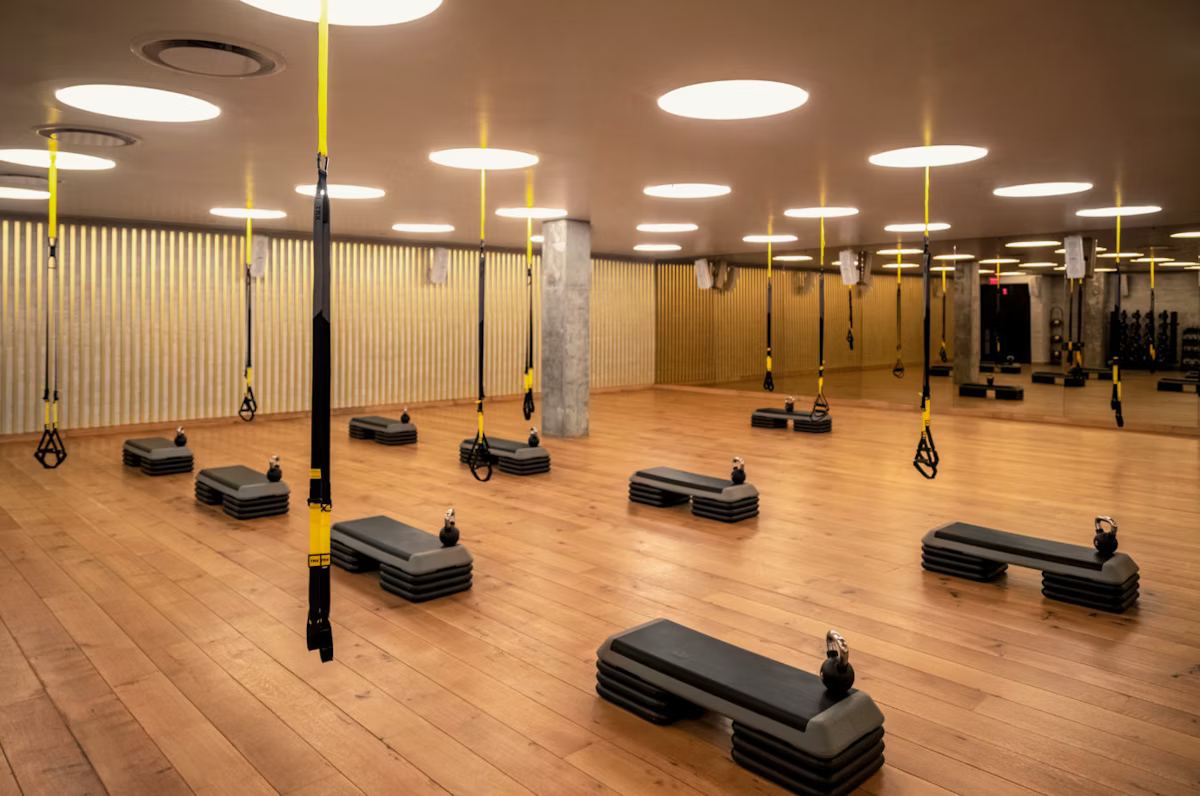
Wood flooring, while not the most common choice for gyms, can offer a distinctive aesthetic and functional appeal in certain settings.
Pros:
- Aesthetic Appeal: Wood flooring brings a natural warmth and elegance to a space, creating a welcoming and sophisticated atmosphere. It can complement various design styles and add a touch of character to a gym environment.
- Durability (With Proper Care): When properly maintained, some wood flooring can be surprisingly durable and last for many years. Certain types of wood, like maple and oak, are known for their hardness and resistance to wear and tear.
- Hygiene: The smooth, non-porous surface of wood makes it relatively easy to clean and disinfect, promoting a hygienic environment in areas like studios or reception areas.
- Timeless Style: Wood flooring is a classic choice that doesn’t go out of style, making it a potential long-term investment that can enhance the value of your facility.
Cons:
- Vulnerability to Moisture: Wood is susceptible to moisture damage, which can cause warping, swelling, or discoloration. It’s important to quickly clean up spills and avoid using wood flooring in areas with high humidity or potential for water exposure.
- Limited Shock Absorption: Wood does not provide significant shock absorption, making it less suitable for weightlifting areas or high-impact activities.
- Potential for Scratches and Dents: Wood can be prone to scratches and dents from dropped weights or equipment. While minor damage can often be repaired, it requires ongoing maintenance and care.
- Cost: Wood flooring can be relatively expensive compared to other options, especially when considering installation and maintenance costs.
Maintenance Considerations:
- Regular Cleaning: Wood floors should be swept or vacuumed regularly to remove dust and debris. Avoid using harsh chemicals or abrasive cleaners that can damage the finish.
- Prompt Spill Cleanup: Spills should be cleaned up immediately to prevent moisture damage.
- Periodic Refinishing: Over time, the finish on wood floors may wear down, requiring sanding and refinishing to restore its appearance and protect the wood.
- Humidity Control: Maintaining proper humidity levels in your gym can help prevent wood from warping or cracking.
“Durable flooring is essential to withstand the wear and tear of a gym environment and maintain its performance over time.”
Suitability:
While wood flooring is generally not recommended for main workout areas due to its limited shock absorption and susceptibility to damage, it can be a suitable option for specific zones within your gym, such as:
- Yoga and Pilates Studios: Wood can provide a firm yet comfortable surface for these activities.
- Dance Studios: The smooth surface of wood can be ideal for dance movements and choreography.
- Reception Areas and Offices: Wood flooring can enhance the aesthetic appeal of these spaces.
If you choose wood flooring for your gym, it’s crucial to select the right type of wood and finish to ensure durability and longevity. Additionally, proper maintenance and care are essential to preserve its appearance and functionality.
Turf
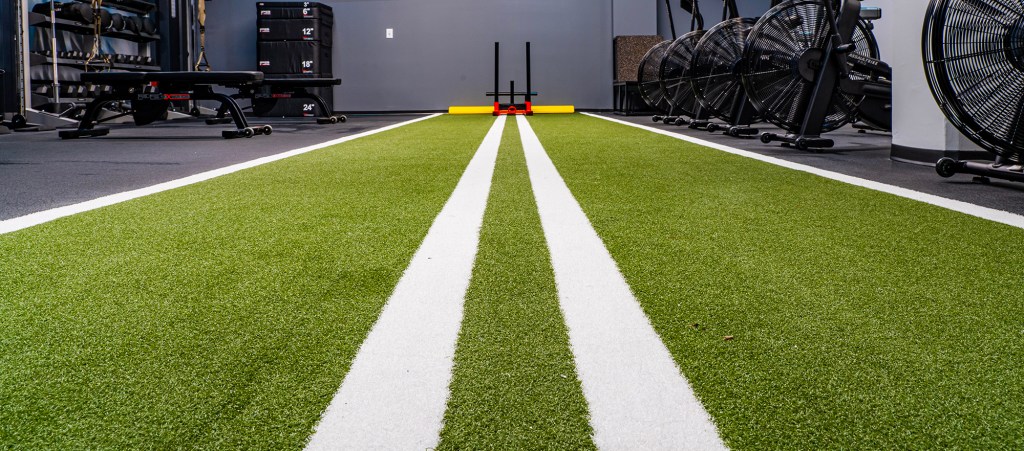
Turf, often referred to as artificial grass, is a synthetic surface designed to mimic the look and feel of natural grass. It has found a place in many gyms, particularly for functional fitness and sports-specific training.
Pros:
- Versatility: Turf can be used for various activities, from sled pushes and sprints to agility drills and bodyweight exercises. It provides a consistent and predictable surface for dynamic movements.
- Durability: Turf is highly resistant to wear and tear, able to withstand heavy use and high-impact activities without showing signs of damage. It is also resistant to weather conditions, making it suitable for outdoor training areas.
- Low Maintenance: Unlike natural grass, turf requires minimal maintenance. It doesn’t need mowing, watering, or fertilizing, saving time and resources.
- Shock Absorption: Turf offers some level of shock absorption, reducing impact on joints during activities like running and jumping.
- Customizable: Turf can be installed in various colors, patterns, and pile heights, allowing for customization to match your gym’s aesthetic or to create designated training zones.
Cons:
- Abrasion: Turf can be more abrasive than other flooring options, potentially causing skin burns or irritation during certain exercises.
- Heat Retention: Turf can get hot in direct sunlight, making it less comfortable for outdoor use in warmer climates.
- Limited Shock Absorption for Heavy Weights: While turf offers some cushioning, it may not be sufficient for heavy weightlifting, as it doesn’t absorb impact as effectively as rubber.
- Cost: Turf can be expensive to install, especially for large areas.
Best Applications:
- Functional Fitness Areas: Turf is ideal for functional fitness training that involves dynamic movements, sled pushes, tire flips, and agility drills.
- Sled Pushes and Pulls: The consistent surface of turf provides a smooth track for sleds, minimizing friction and maximizing training efficiency.
- Agility Drills: Turf’s predictable surface allows for precise footwork and quick changes in direction during agility training.
- Sports-Specific Training: Turf can be used to simulate the playing surface of various sports, such as soccer, football, or baseball, allowing athletes to train in a realistic environment.
- Outdoor Training Areas: Turf’s durability and weather resistance make it a good option for outdoor training areas, providing a versatile surface for various activities.
While turf has numerous benefits, it’s important to consider its limitations, particularly in terms of shock absorption and potential for abrasion. It’s also important to choose the right type of turf with appropriate pile height and infill material based on your specific training needs.
“The smooth, non-porous surface of wood makes it relatively easy to clean and disinfect, promoting a hygienic environment.”
With proper planning and consideration, turf can be a valuable addition to your gym, providing a versatile and durable surface for a wide range of functional fitness and sports-specific training activities.
| Flooring Type | Material Properties | Installation Considerations | Maintenance Requirements | Cost Range (per sq. ft.) |
| Rubber | High shock absorption, high durability, good sound insulation | Tiles: DIY-friendly, professional recommended for rolls | Regular sweeping/vacuuming, mop with neutral pH cleaner, address spills | $1.50-$5 |
| Foam | Moderate shock absorption, lower durability, excellent sound insulation | Tiles: Easy, interlocking. Rolls: May require adhesive | Regular sweeping/vacuuming, spot clean with mild detergent, avoid harsh chemicals | $1-$3 |
| Carpet Tiles | Minimal shock absorption, moderate durability, excellent sound insulation | Easy, individual tiles | Regular vacuuming, occasional deep cleaning, address spills promptly | $2-$6 |
| Wood | Minimal shock absorption, good durability (with proper care), minimal sound insulation | Professional installation recommended | Regular sweeping/dusting, prompt spill cleanup, periodic refinishing | $5-$15 |
| Turf | Moderate shock absorption, high durability, minimal sound insulation | Professional installation recommended | Brushing to remove debris, occasional rinsing with water | $5-$12 |
Key Considerations
Shock Absorption and Durability
The right gym flooring isn’t just about aesthetics; it’s a critical factor in ensuring the safety of your athletes and the longevity of your equipment. Two key properties to consider are shock absorption and durability.
Shock Absorption: Protecting Joints and Equipment
Effective shock absorption is crucial for several reasons:
- Joint Health: High-impact activities like running, jumping, and weightlifting put significant stress on joints. Flooring with good shock absorption can reduce the impact forces transmitted to the body, minimizing the risk of injuries like sprains, strains, and chronic joint pain.
- Equipment Protection: Dropped weights and heavy equipment can cause damage to the subfloor, potentially leading to costly repairs. Shock-absorbing flooring helps to dissipate the impact energy, protecting both your equipment and the underlying structure.
- Comfort: A cushioned surface provides a more comfortable workout experience, reducing fatigue and allowing athletes to train for longer durations.
Flooring materials like rubber and foam excel at shock absorption, making them ideal for weightlifting areas, functional fitness zones, and areas with high-impact activities.
Durability
Gym environments are inherently demanding, with heavy foot traffic, dropped weights, and constant movement. Durable flooring is essential to withstand this wear and tear and maintain its performance over time.
Factors that contribute to flooring durability include:
- Material: Certain materials, like rubber and turf, are naturally more resistant to abrasion, punctures, and indentation than others.
- Thickness: Thicker flooring generally offers greater durability and longevity.
- Quality: High-quality flooring, even if more expensive upfront, often proves to be a better investment in the long run due to its extended lifespan.
Areas with high traffic, such as weightlifting zones and cardio areas, require flooring with exceptional durability to withstand the constant stress.
Choosing flooring that balances shock absorption and durability is essential for creating a safe, functional, and long-lasting gym environment. By carefully considering these factors, you can select the right flooring that protects your athletes, equipment, and investment for years to come.
Sound Insulation and Traction
In addition to shock absorption and durability, sound insulation and traction are vital considerations when choosing gym flooring. These factors not only contribute to a more pleasant workout environment but also play a crucial role in safety and member satisfaction.
Sound Insulation: Quieting the Chaos
Gyms can be noisy places, with the sounds of clanging weights, pounding feet, and upbeat music echoing through the space. Effective sound insulation is essential for several reasons:
- Member Comfort: Excessive noise can be distracting and disruptive, making it difficult for members to focus on their workouts or enjoy group fitness classes.
- Staff Communication: Clear communication between staff members and clients is essential for safety and providing instructions. Sound insulation can help improve communication and reduce misunderstandings.
- Neighbor Considerations: If your gym is located in a shared building or residential area, sound insulation can help minimize noise complaints and maintain positive relationships with your neighbors.
Flooring materials like rubber, foam, and carpet tiles offer varying degrees of sound insulation. Thicker materials and those with higher density generally provide better noise reduction.
Traction: Preventing Slips and Falls
Slips and falls are a common cause of gym injuries. Choosing flooring with adequate traction is essential to ensure the safety of your members and staff.
Factors that influence flooring traction include:
- Surface Texture: Textured surfaces generally offer better grip than smooth surfaces, especially when wet or sweaty.
- Material: Certain materials, like rubber and turf, inherently provide better traction than others.
- Maintenance: Regular cleaning and maintenance can help prevent the buildup of dirt and debris that can reduce traction.
The type of activities performed in your gym will also dictate the level of traction required. For example, areas where members perform agility drills or plyometric exercises need flooring with exceptional grip to prevent slips and falls.
By prioritizing sound insulation and traction, you can create a gym environment that is not only safer but also more enjoyable for everyone. Quieter surroundings and a slip-resistant surface contribute to a positive workout experience and can help attract and retain members.
Hygiene: Maintaining a Clean and Healthy Gym
A clean gym isn’t just about appearances; it’s crucial for the health and safety of your members and staff. Hygiene should be a top priority when choosing gym flooring, as a clean, sanitary environment helps prevent the spread of germs and promotes a positive workout experience.
Importance of Easy-to-Clean Surfaces
Gyms are high-traffic areas where sweat, dirt, and bacteria can accumulate quickly. Choosing flooring that is easy to clean and maintain is essential for the following reasons:
- Member Health: Regular cleaning helps to reduce the risk of infections and illnesses caused by bacteria, viruses, and fungi.
- Staff Safety: A clean environment reduces the risk of staff exposure to harmful pathogens.
- Member Satisfaction: A clean gym demonstrates a commitment to hygiene, which can boost member confidence and satisfaction.
Factors Affecting Cleaning Ease
Several factors influence how easy a flooring material is to clean:
- Surface Texture: Non-porous, smooth surfaces are easier to clean and less likely to harbor bacteria than textured or porous surfaces.
- Material: Certain materials, like rubber and vinyl, are naturally more resistant to stains and moisture than others, like carpet.
- Cleaning Products: Using appropriate cleaning products and techniques is essential to avoid damaging the flooring and ensure effective sanitation.
Cleaning and Maintenance Tips
Regardless of the flooring material you choose, here are some general cleaning and maintenance tips to keep your gym hygienic:
- Regular Cleaning: Establish a daily cleaning routine that includes sweeping, vacuuming, or mopping to remove dirt, sweat, and debris.
- Disinfecting: Regularly disinfect high-touch areas like equipment, door handles, and locker rooms to kill germs and bacteria.
- Deep Cleaning: Schedule periodic deep cleaning to address areas that may not be reached during daily cleaning.
- Spill Cleanup: Promptly clean up spills to prevent staining and moisture damage.
- Professional Cleaning: Consider hiring a professional cleaning service for deep cleaning and disinfection, especially during flu season or periods of increased illness.
By prioritizing hygiene and choosing easy-to-clean flooring, you can create a welcoming and healthy environment for your members, ultimately contributing to the success and reputation of your gym. Remember, a clean gym is a healthy gym!
Making Your Decision
With a clear understanding of your gym’s specific needs and the different flooring options available, you’re ready to make an informed decision. Follow these steps to select the flooring that best suits your facility:
1. Assess Your Needs:
Workout Types: Identify the primary activities that will take place in your gym. Will you have dedicated areas for weightlifting, cardio, functional fitness, or group classes?
Traffic Level: Determine the estimated daily foot traffic in different areas of your gym.
Budget: Establish a realistic budget for your flooring project, factoring in both material and installation costs.
Aesthetic Preferences: Consider the desired look and feel of your gym. Do you want a bold, industrial feel or a more warm and inviting space?
2. Research Flooring Types:
Material: Refer back to the information provided in this guide about the pros and cons of different flooring materials (rubber, foam, carpet tiles, wood, turf).
Thickness: Consider the thickness required for your specific needs. Thicker flooring typically offers better shock absorption and durability, but it may also be more expensive.
Color and Design: Explore different color and pattern options to find flooring that matches your gym’s aesthetic.
Samples: Request samples from suppliers to see and feel the flooring materials in person.
3. Get Quotes from Suppliers:
Contact Multiple Suppliers: Reach out to different suppliers to compare prices, product options, and installation services.
Request Detailed Quotes: Ensure the quotes include the cost of materials, delivery, and installation (if applicable).
Negotiate: Don’t be afraid to negotiate with suppliers to get the best possible price.
Consider Professional Installation:
Complexity: Some flooring types, like rubber rolls or wood, may require professional installation for optimal results.
Warranty: Professional installation may be required to maintain the warranty on certain flooring products.
Time and Resources: If you lack the time or expertise to install the flooring yourself, hiring a professional can save you time and ensure a proper installation.
By following these steps and carefully considering your gym’s unique needs, you can confidently choose the flooring that will best support your athletes, protect your equipment, and enhance the overall experience in your gym.
Case studies
Case Study 1: CrossFit Boston
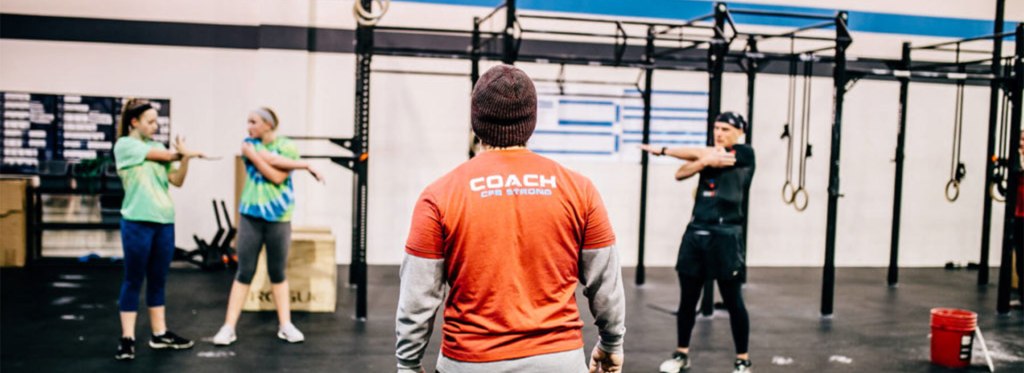
This popular CrossFit box opted for a combination of flooring to suit their varied training needs. In their heavy lifting areas, they installed 3/4-inch thick rubber tiles for maximum shock absorption and durability against dropped barbells. For the high-intensity functional fitness area, they went with a short-pile turf to accommodate sled pushes, sprints, and burpees. Members have praised the cushioned feel of the rubber flooring, which minimizes joint impact during Olympic lifts. The turf has also proven resilient, showing minimal wear and tear despite constant use.
Case Study 2: Gold’s Gym
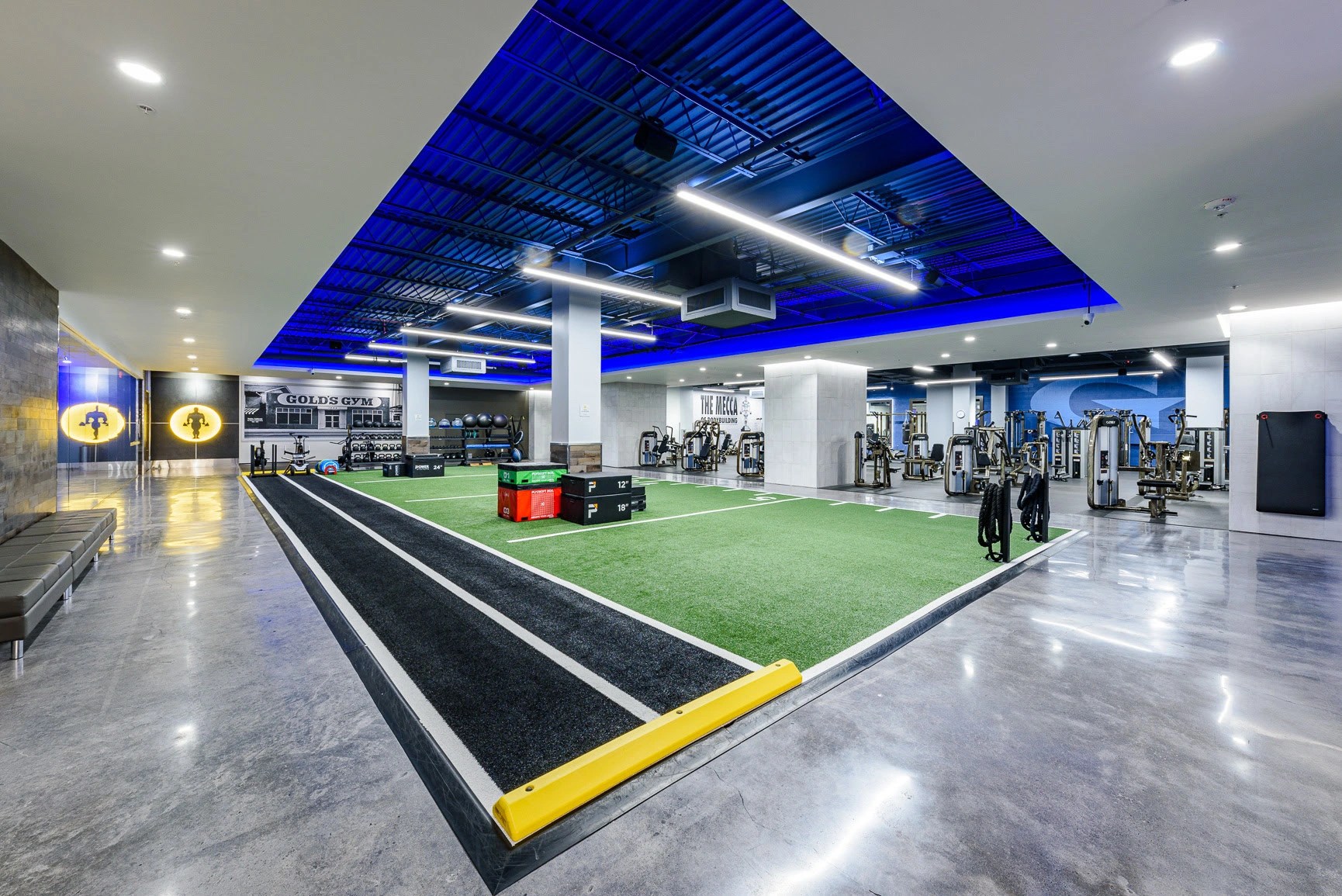
A well-known global chain, Gold’s Gym locations typically feature a mix of rubber, turf, and carpet tiles to accommodate various workouts. Rubber flooring is predominantly used in free weight and machine areas for its durability and shock absorption. Turf is often installed in functional fitness zones to handle dynamic movements like sled pushes and tire flips. Carpet tiles are commonly found in stretching areas, cardio zones, and locker rooms for comfort and noise reduction. This strategic placement of different flooring types creates distinct workout zones and caters to a wide range of training preferences. Gym members appreciate the variety of textures and the targeted functionality each surface provides.
Case Study 3: Planet Fitness
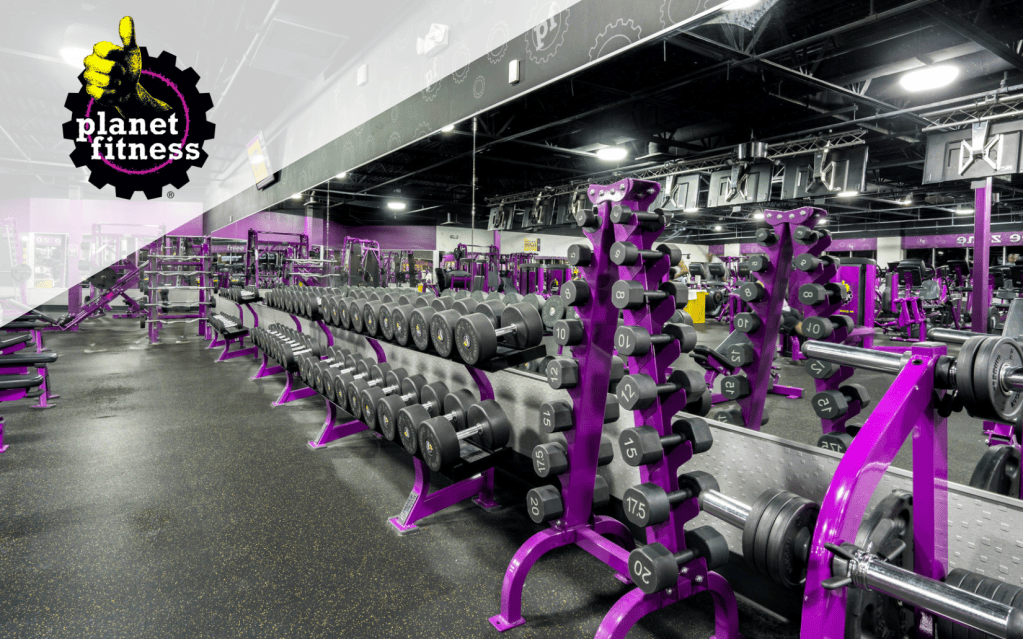
Known for its affordable membership and “Judgement Free Zone” philosophy, Planet Fitness has consistently opted for rubber flooring in its gyms. This choice aligns with the chain’s emphasis on providing a comfortable and safe environment for its diverse clientele. Members appreciate how the rubber flooring dampens the vibrations and noise from heavy weights being dropped or re-racked, creating a less chaotic and more focused workout environment.
Case Study 4: Equinox
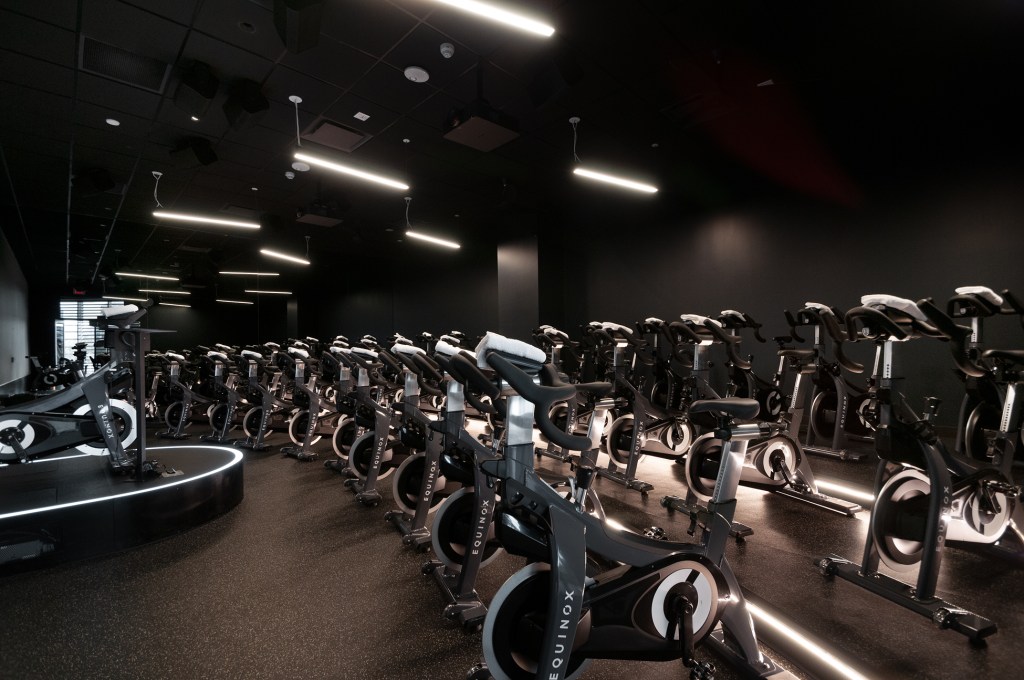
High-end fitness club Equinox is known for its luxurious facilities and attention to detail. Many of their locations feature a mix of flooring types, with rubber flooring in weightlifting areas, wood flooring in group fitness studios, and carpet tiles in locker rooms and lounges. This approach allows Equinox to cater to different workout styles while maintaining a cohesive aesthetic.
Key Takeaways:
These case studies illustrate the importance of tailoring flooring choices to specific gym needs and activities. Factors like shock absorption, durability, comfort, and hygiene all play a role in the decision-making process. Additionally, real-world feedback from gym owners and members can offer valuable insights into the long-term performance and satisfaction with different flooring options.
Conclusion
Choosing the right gym flooring is an investment that can significantly impact your gym’s success. It’s not merely about aesthetics; it’s about creating a safe, functional, and inviting environment for your members.
The right flooring can enhance performance, reduce the risk of injuries, and even contribute to a more positive gym atmosphere. While the initial cost may seem daunting, consider it an investment in the long-term health of your business. Durable, well-maintained flooring can last for years, saving you money on repairs and replacements down the line.
By carefully assessing your gym’s specific needs and weighing the pros and cons of different flooring options, you can make an informed decision that will benefit both your members and your bottom line. Remember, the perfect gym floor is out there, waiting to elevate your facility to the next level.


Leave a Reply