Did you know the floor you walk on can impact your health and the environment?
Did you know the materials used in flooring can release chemicals into the air you breathe, affecting indoor air quality (IAQ)?
Poor IAQ has been linked to a variety of health issues, including respiratory problems, allergies, and even cardiovascular disease. Studies suggest that exposure to certain indoor pollutants may increase the risk of heart attack, stroke, and other cardiovascular complications.
Beyond health concerns, flooring choices also have a significant environmental footprint.
The production and disposal of some flooring materials contribute to deforestation, pollution, and greenhouse gas emissions. Additionally, the manufacturing process of certain materials releases harmful volatile organic compounds (VOCs) into the air – a phenomenon known as “off-gasing.”
This article will delve into the connection between flooring, your health, and the environment. We’ll examine the pros and cons of common flooring materials, including the issue of off-gasing. We’ll also provide practical tips on how to make informed flooring decisions that prioritize both your well-being and the planet’s health.
Low VOC Carpets
Carpet, a popular flooring choice for its warmth and comfort, can unfortunately harbor hidden health concerns.
The fibers, adhesives, and padding used in carpets can emit VOCs, particularly when new. These VOCs can contribute to eye, nose, and throat irritation, headaches, and even respiratory problems.
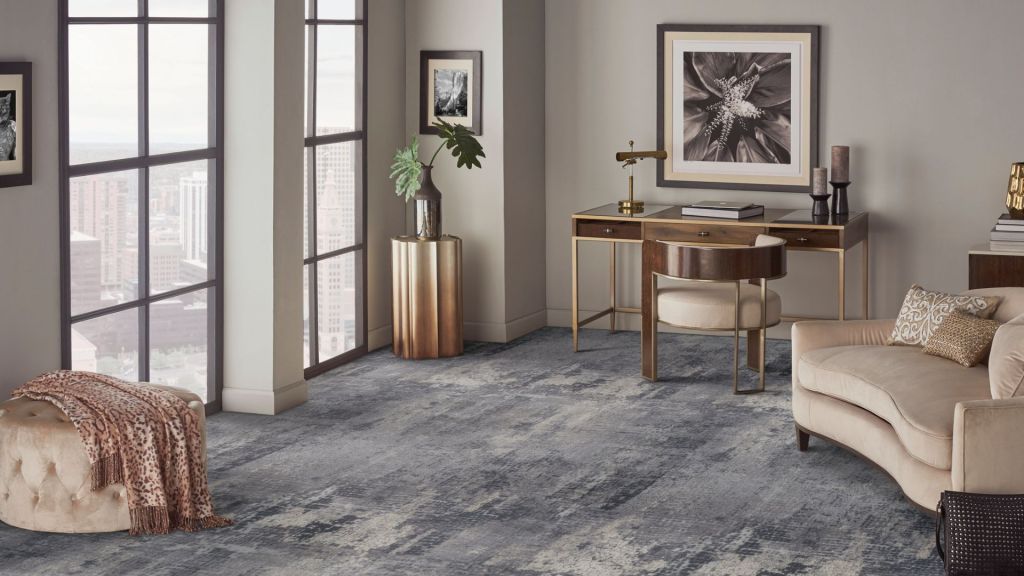
Beyond VOCs, carpets can also trap allergens like dust mites, pet dander, and mold spores, potentially triggering allergic reactions or asthma symptoms in sensitive individuals. For those with allergies or respiratory conditions, choosing a low-VOC carpet or alternative flooring options may be a healthier choice.
Fortunately, the market offers a variety of low-VOC carpet options, typically made with natural fibers and adhesives that release fewer harmful chemicals. These carpets can significantly improve indoor air quality and reduce the risk of health issues related to VOC exposure.
Carpet fibers can trap dust, pollen, and other allergens, potentially contributing to respiratory issues in sensitive individuals.
When choosing a carpet, look for certifications like the Carpet and Rug Institute’s Green Label Plus, which indicates that the product has been tested for low VOC emissions. Additionally, consider regular professional cleaning and vacuuming with a HEPA filter to minimize the accumulation of allergens in your carpet.
Healthy Vinyl
Vinyl flooring, celebrated for its durability and affordability, often comes with a hidden health risk: phthalates.
Vinyl flooring, celebrated for its durability and affordability, often contains phthalates, chemicals that make it flexible but can also leach into the air and dust of your home. Exposure to phthalates has been linked to various health concerns, especially in children, including hormone disruption, impaired reproductive development, and even an increased risk of certain cancers. Pregnant women and young children are particularly vulnerable.

However, if vinyl is your preferred choice, there are ways to make a safer selection:
- Choose Phthalate-Free: Look for vinyl flooring specifically labeled as “phthalate-free.” These products are manufactured without the use of these potentially harmful chemicals, offering a healthier alternative.
- Look for Low-VOC Certifications: Vinyl flooring can also emit VOCs, so choose products certified for low VOC emissions, such as those meeting FloorScore standards. This certification indicates that the flooring has been tested for low levels of VOCs, including formaldehyde.
- Select High-Quality Vinyl: Opt for vinyl flooring from reputable manufacturers known for using high-quality materials and adhering to strict safety standards. Research brands and products to ensure you’re choosing a vinyl option that prioritizes health and safety.
- Allow for Proper Ventilation: After installation, ensure adequate ventilation in your home to allow any potential VOCs released from the new flooring to dissipate quickly. Open windows, use fans, or run an air purifier to help clear the air.
- Maintain Your Flooring: Regularly cleaning and maintaining your vinyl flooring can help reduce the risk of chemical exposure. Sweep or vacuum regularly to remove dust and debris, and damp mop with a mild cleaning solution as needed.
By following these tips, you can make an informed decision when choosing vinyl flooring and minimize potential health risks associated with phthalates and VOCs.
Laminate: Avoid Carcinogens
Formaldehyde Concerns: When considering laminate flooring, be aware of potential formaldehyde emissions.
This chemical, used in the adhesives of some laminate products, is a known carcinogen (substances that may increase your risk of developing cancer). While the risk decreases over time, some products can emit formaldehyde for years.
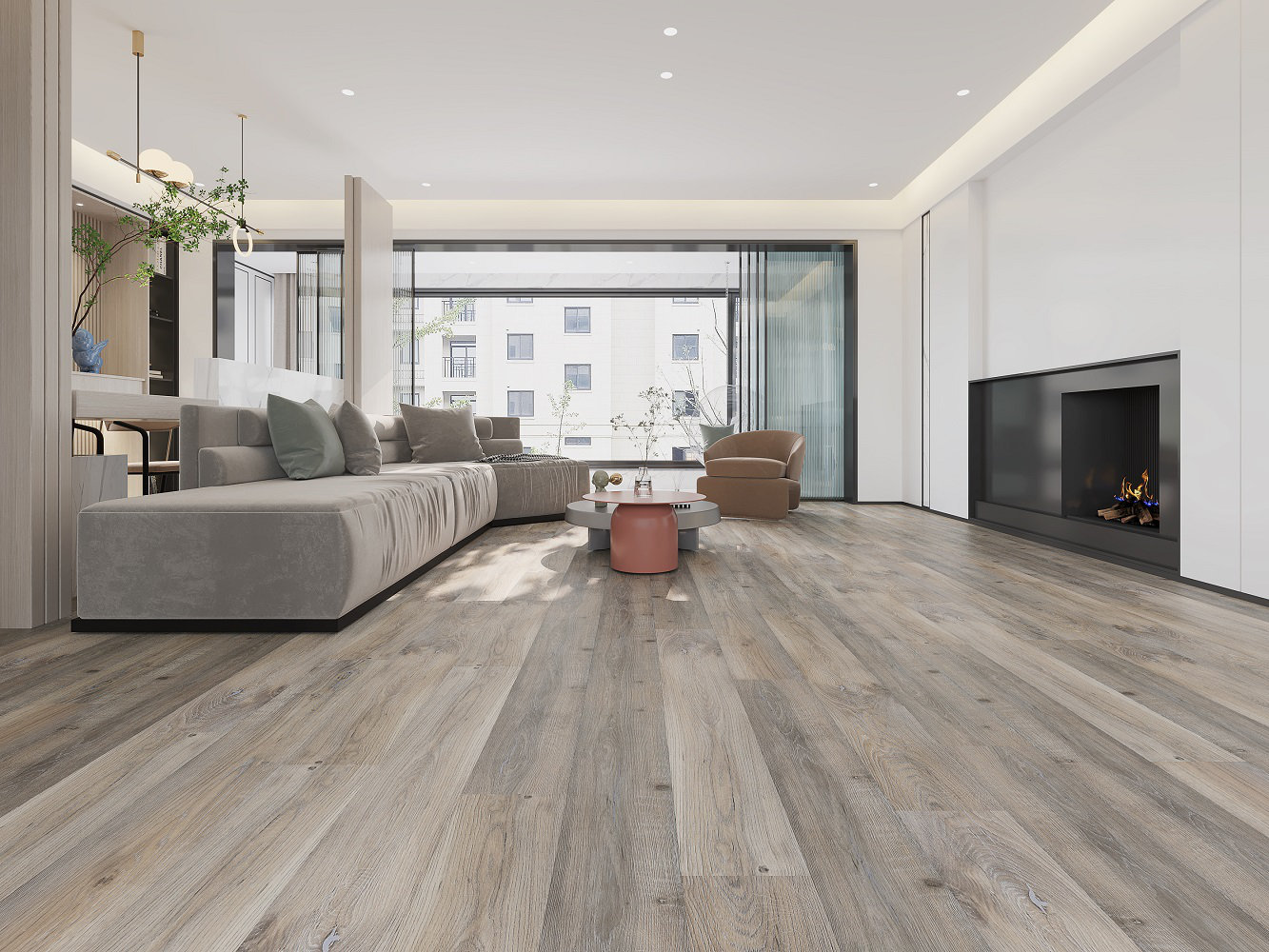
Product Origin Matters: The amount of formaldehyde released can vary depending on the manufacturing process and materials used. Products from countries with less stringent regulations may contain higher levels.
Look for Certifications: To minimize exposure, choose laminate flooring certified by the California Air Resources Board (CARB). Look for labels indicating CARB Phase 2 compliance, the most stringent standard for formaldehyde emissions. Also, consider products certified by FloorScore, which ensures low emissions of volatile organic compounds (VOCs), including formaldehyde.
Do Your Research: Before purchasing, research the manufacturer and inquire about their testing and certification procedures. Request the product’s material safety data sheet (MSDS) for detailed information on VOC and formaldehyde levels.
By making informed choices, you can enjoy the beauty and affordability of laminate flooring while prioritizing your health and well-being.
Hardwood: Sustaining Sealants
Hardwood flooring offers timeless beauty, durability, and a host of health benefits.
As a natural material, wood is inherently non-toxic and does not off-gas harmful chemicals like some synthetic flooring options. Hardwood floors can improve indoor air quality by absorbing and releasing moisture, helping to regulate humidity levels and reduce the risk of mold growth.
However, it’s important to be mindful of the finishes applied to hardwood floors. Some finishes, such as certain stains and sealants, may contain VOCs that can off-gas into the air. Opt for low-VOC or water-based finishes to minimize this risk and protect indoor air quality.

Additionally, the environmental impact of hardwood flooring depends largely on its sourcing. Unsustainable logging practices contribute to deforestation, habitat destruction, and climate change. Choosing hardwood sourced from responsibly managed forests ensures that the wood is harvested in a way that minimizes environmental damage and supports long-term forest health.
Look for certifications like the Forest Stewardship Council (FSC) logo, which verifies that the wood comes from well-managed forests that adhere to strict environmental and social standards. By choosing sustainably sourced hardwood and low-VOC finishes, you can enjoy the natural beauty and health benefits of wood flooring while minimizing its environmental impact.
Proper Ventilation For Concrete
One key factor lies in whether the concrete is sealed or unsealed.
Sealed concrete is coated with a protective layer that prevents moisture absorption and stains, making it easier to clean and maintain. However, some sealants may emit VOCs, particularly during the initial curing period. Opt for low-VOC or water-based sealants to minimize this risk and ensure a healthier indoor environment.
Unsealed concrete, while more porous and prone to staining, does not pose the risk of VOC emissions from sealants. However, it may be susceptible to radon infiltration. Radon is a naturally occurring radioactive gas that can seep into homes through cracks in the foundation or floors. Prolonged exposure to radon is a leading cause of lung cancer.
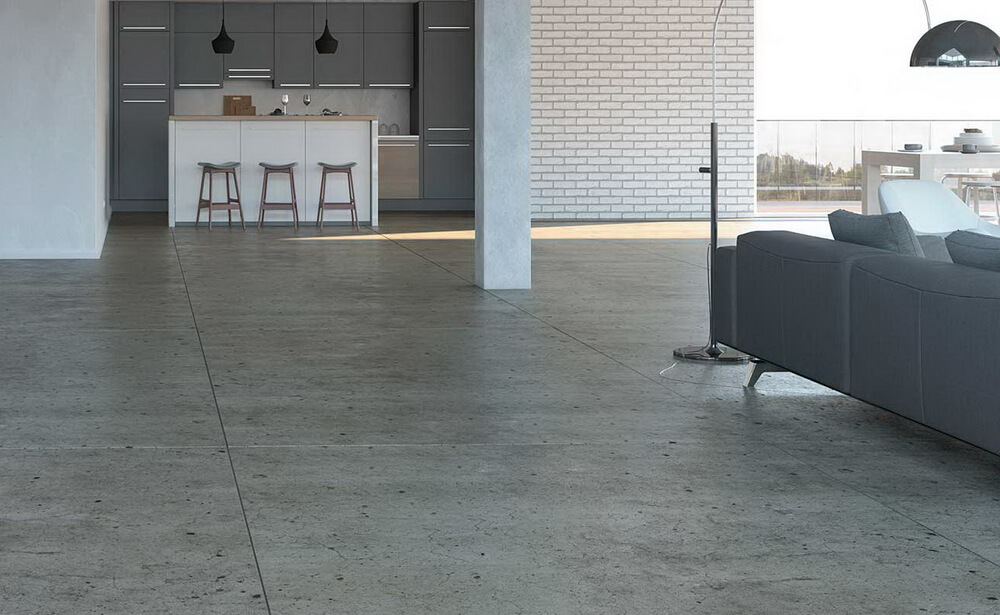
To mitigate radon risks, ensure proper ventilation in your home. Adequate airflow helps dilute and remove radon gas, reducing the risk of exposure.
If you have concerns about radon levels, consider having your home tested and, if necessary, install a radon mitigation system.
Concrete flooring, whether sealed or unsealed, can be a healthy and stylish option when proper precautions are taken. Look for low-VOC sealants and ensure good ventilation to create a safe and comfortable living space.
Table Recap:
| Flooring Material | Pros | Cons | Health Impacts |
|---|---|---|---|
| Carpet | Warmth, comfort, sound absorption, variety of styles and colors | Can harbor allergens (dust mites, pet dander, mold), VOC emissions | May trigger allergies or asthma in sensitive individuals, VOCs can cause eye, nose, and throat irritation, headaches, and respiratory problems. Choose low-VOC options and clean regularly to minimize health risks. |
| Vinyl | Durable, affordable, water-resistant, variety of designs | Contains phthalates, VOC emissions | Phthalates may disrupt hormones and pose developmental risks, especially for children. VOCs can cause respiratory and eye irritation. Opt for phthalate-free or low-VOC options and ensure good ventilation. |
| Laminate | Affordable, mimics the look of wood, durable | Formaldehyde emissions, varying quality among brands | Formaldehyde is a carcinogen. Choose low-emission laminate with certifications like CARB Phase 2 or FloorScore to minimize health risks. |
| Hardwood | Natural, beautiful, durable, can be refinished, increases home value | Potential VOCs from finishes, unsustainable sourcing can contribute to deforestation | Choose hardwood with low-VOC or water-based finishes. Look for FSC certification to ensure sustainable sourcing. |
| Concrete | Durable, modern aesthetic, versatile | Sealed concrete may emit VOCs, unsealed concrete can emit radon | Choose low-VOC sealants for sealed concrete. Ensure proper ventilation to mitigate radon risks. |
| Linoleum / Natural Linoleum | Natural, durable, anti-bacterial, variety of colors and patterns | Can be more expensive than vinyl, requires professional installation | Made from natural materials like linseed oil and wood flour, considered a healthier option than vinyl. |
Specific considerations for the individuals with Cardiovascular Disease
Certain pollutants commonly found in flooring materials can pose a significant risk for individuals with existing cardiovascular conditions. Volatile organic compounds (VOCs), such as formaldehyde and benzene, have been linked to increased inflammation and oxidative stress within the body. This inflammatory response can damage blood vessels, contribute to the buildup of plaque in arteries, and ultimately worsen cardiovascular disease.
Inhaling VOCs can also irritate the respiratory system, triggering a cascade of physiological responses that strain the heart. Increased heart rate, elevated blood pressure, and even an increased risk of blood clot formation are potential consequences of exposure to these pollutants. Studies have shown a direct correlation between elevated levels of VOCs in indoor air and an increased risk of cardiovascular events like heart attacks and strokes (Environmental Exposure to Volatile Organic Compounds is Associated with Endothelial Injury, 2021).
Formaldehyde, a common VOC found in some flooring materials like laminate, is of particular concern. This potent irritant can not only worsen respiratory symptoms but also trigger arrhythmias (irregular heartbeats) in susceptible individuals. Prolonged exposure to formaldehyde has been associated with an increased risk of cardiovascular mortality.

For individuals with cardiovascular conditions, natural and breathable flooring materials like wood or cork offer distinct advantages over synthetic alternatives.
These materials are inherently hypoallergenic and do not off-gas harmful VOCs, reducing the risk of respiratory irritation and inflammation that can strain the heart.
Wood and cork are also hygroscopic,
meaning they can absorb and release moisture, helping to regulate humidity levels in the home. This is particularly beneficial for cardiovascular health, as excessive humidity can exacerbate respiratory problems and increase the workload on the heart.
Research suggests that incorporating natural elements, such as wood, into indoor environments may offer various health benefits. A study conducted at the University of British Columbia explored the potential impact of wood on physiological and psychological well-being, finding that exposure to wood may be associated with reduced blood pressure and stress levels. These findings align with the broader concept of biophilic design, which posits that incorporating natural elements into our living spaces can positively influence our health and well-being.
While the exact mechanisms behind these effects are still being studied, researchers believe that the visual and tactile qualities of wood may evoke positive emotional responses and a sense of connection to nature, leading to physiological changes like reduced blood pressure and stress. Additionally, the natural scent of wood may also contribute to these effects.
However, it’s important to note that the research on the health benefits of wood exposure is ongoing and not yet conclusive. While some studies have shown promising results, more research is needed to fully understand the extent and nature of these benefits. Additionally, individual responses to wood can vary, and the potential benefits may be influenced by factors such as personal preferences, the type of wood used, and the overall design of the space.
While choosing wood flooring solely based on potential health benefits would be premature, it’s worth considering these findings alongside the other advantages of wood, such as its natural beauty, durability, and potential for good acoustics. If you’re drawn to the idea of incorporating more natural elements into your home, opting for sustainably sourced wood flooring with low-VOC finishes could be a step in the right direction.
In addition to choosing natural flooring materials, utilizing air purifiers and proper ventilation systems can further enhance indoor air quality.
Air purifiers equipped with HEPA filters can effectively remove allergens, dust, and other airborne pollutants that may trigger respiratory problems and strain the cardiovascular system. The EPA estimates that using an air purifier can reduce indoor pollutant levels by up to 85%.
Proper ventilation, through the use of exhaust fans, open windows, or mechanical ventilation systems, helps to remove stale air and pollutants, bringing in fresh air from outside. This exchange of air is vital for maintaining healthy indoor air quality and reducing the concentration of harmful substances that can negatively impact cardiovascular health.
By incorporating natural, breathable flooring materials like wood or cork, along with air purifiers and proper ventilation, individuals with cardiovascular disease can create a home environment that supports their overall well-being and minimizes the risk of complications related to indoor air pollution.
Environmental impacts
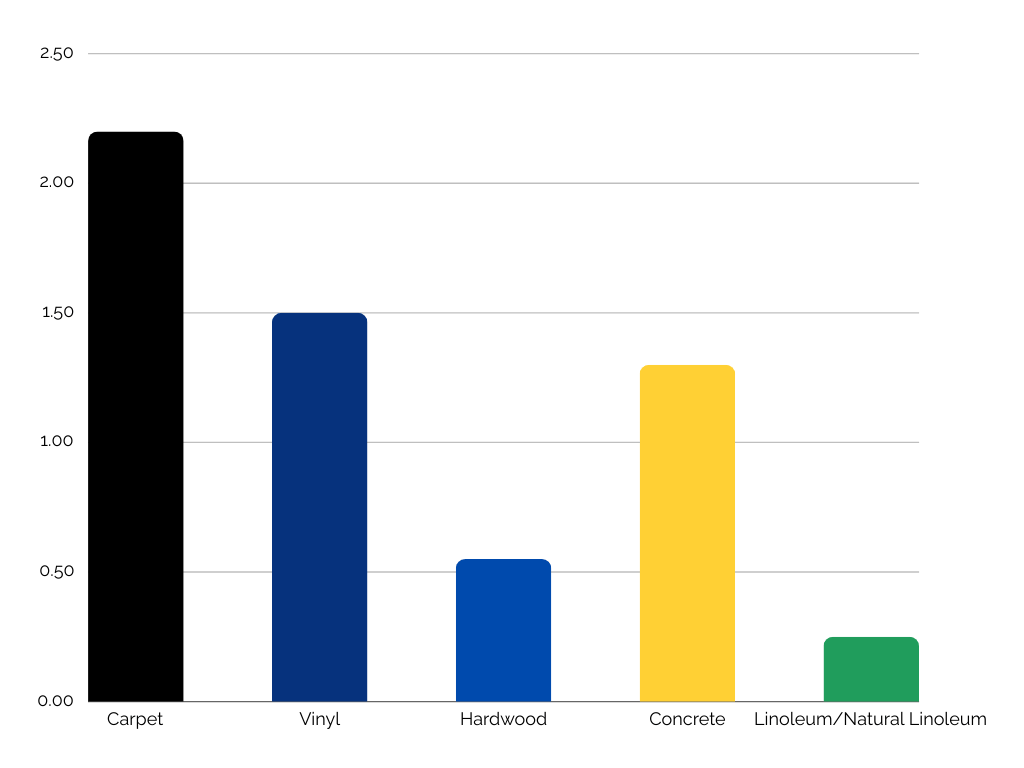
The carbon footprint of flooring materials varies significantly, spanning the entire life cycle from production to disposal. A study published in the Journal of Cleaner Production analyzed the environmental impact of different flooring types, revealing stark differences in their carbon footprints.
Carpet, for example, can have a carbon footprint as high as 2.2 pounds of CO2e (carbon dioxide equivalent) per square foot. This is due in part to the energy-intensive manufacturing processes involved in creating synthetic fibers, which often rely on fossil fuels. Additionally, the relatively short lifespan of carpets, averaging 8-10 years, leads to more frequent replacements and disposal, further compounding their environmental impact.
Vinyl flooring, while durable, also carries a considerable carbon footprint, estimated to be around 1.3-1.7 pounds of CO2e per square foot. The production of polyvinyl chloride (PVC), the main component of vinyl, involves the use of fossil fuels and the release of harmful chemicals. Furthermore, vinyl is not biodegradable and often ends up in landfills, contributing to long-term environmental pollution.
Natural materials like hardwood and bamboo generally fare better in terms of carbon footprint, with estimates ranging from 0.2-0.9 pounds of CO2e per square foot. These materials are renewable and often require less energy to produce compared to synthetic options. However, their carbon footprint can increase significantly if unsustainable logging practices are employed or if the materials are transported over long distances.
Concrete, known for its durability, has a surprisingly high carbon footprint, estimated to be around 1.1-1.5 pounds of CO2e per square foot. This is primarily due to the energy-intensive process of cement production, which releases large amounts of carbon dioxide. But, the longevity of concrete flooring, which can last for decades, partially offsets its initial environmental impact.
Linoleum and natural linoleum emerge as more sustainable alternatives, with carbon footprints as low as 0.1-0.4 pounds of CO2e per square foot. These materials are made from renewable resources like linseed oil, wood flour, and cork dust, and their production processes are less energy-intensive compared to synthetic options. Additionally, linoleum is biodegradable, further reducing its environmental burden.
Choosing flooring materials with a lower carbon footprint, such as sustainably sourced hardwood, bamboo, linoleum, or natural linoleum, can significantly reduce the environmental impact of your home. Additionally, opting for local materials, using low-VOC adhesives and finishes, and selecting flooring with a long lifespan can further minimize your ecological footprint.
Deforestation
This is also up for our consideration. The demand for wood-based flooring, particularly hardwood, contributes to the global issue of deforestation. This widespread clearing of forests has devastating consequences for the ecosystem, and climate change. Forests play a leading role in absorbing CO2, regulating water cycles, and providing habitat for countless species. When forests are destroyed, these essential functions are disrupted, leading to a cascade of negative impacts.
Sustainable forestry practices offer a solution to this pressing issue. These practices involve managing forests in a way that ensures their long-term health and productivity while minimizing environmental harm. This includes selective harvesting of trees, replanting deforested areas, and protecting biodiversity. By choosing flooring materials sourced from sustainably managed forests, consumers can support responsible forestry practices and help mitigate the negative consequences of deforestation.
The Forest Stewardship Council (FSC) is an international organization that sets standards for responsible forest management. The FSC logo on wood products indicates that the wood comes from forests that are managed in an environmentally, socially, and economically responsible manner. Choosing FSC-certified flooring is a powerful way to support sustainable forestry and contribute to the preservation of our planet’s vital forests.
Beyond supporting sustainable forestry, consumers can also reduce the demand for new wood by opting for reclaimed or recycled wood flooring.
Rec2
Reclaimed wood is salvaged from old buildings or structures, while
Recycled wood is made from post-consumer or post-industrial waste.
These options not only reduce the need for new wood harvesting but also add unique character and history to your floors.
By prioritizing sustainable forestry practices and choosing responsibly sourced or recycled wood flooring, we can help protect our forests, preserve biodiversity, and mitigate the negative impacts of climate change.
Here are the benefits of choosing Rec2 wood
- Reduced Environmental Impact: Recycled and reclaimed flooring diverts materials from landfills, conserving resources and reducing the demand for new raw materials. This, in turn, lessens the environmental impact associated with the extraction, processing, and transportation of virgin materials. For example, recycled glass tile can be made from up to 100% post-consumer glass, while reclaimed wood flooring comes from salvaged lumber, often with a lower carbon footprint than newly harvested wood.
- Unique Aesthetics: Reclaimed wood, in particular, boasts a rich history and character that cannot be replicated in new materials. Each plank tells a story, bearing the marks of time and use, adding warmth and charm to any space. Recycled materials, such as glass or metal tiles, can also offer unique colors, textures, and patterns, allowing for creative and personalized designs.
- Durability and Longevity: Reclaimed wood, having already withstood the test of time, is often more durable and resistant to wear and tear than new wood. It has already undergone the natural aging process, making it less prone to warping, cracking, or shrinking. Similarly, recycled materials like glass and metal are known for their strength and longevity, ensuring a flooring solution that can withstand heavy foot traffic and daily wear.
- Cost-Effectiveness: In many cases, recycled or reclaimed flooring can be a more cost-effective option compared to new materials. Reclaimed wood, for example, may be less expensive than purchasing new hardwood, while recycled materials can often be found at a fraction of the cost of their virgin counterparts. This allows homeowners to achieve a high-end look and feel without breaking the bank.
- Supporting Sustainable Practices: Choosing recycled or reclaimed flooring is a conscious choice that supports sustainable practices and a circular economy. It sends a message to manufacturers and retailers that consumers value eco-friendly options and are willing to invest in products that minimize waste and conserve resources. This, in turn, can drive innovation and encourage the development of more sustainable flooring solutions.
By opting for recycled or reclaimed flooring materials, homeowners can enjoy a myriad of benefits, including reduced environmental impact, unique aesthetics, durability, cost-effectiveness, and the satisfaction of supporting sustainable practices. It’s a choice that not only enhances the beauty and functionality of a home but also contributes to a healthier planet.
Making informed decisions
Your choice of flooring goes beyond aesthetics; it significantly impacts your health and the environment.
Prioritizing Health:
Look for certifications like FloorScore, Green Label Plus, or CARB Phase 2 compliance, which indicate that the product has been tested for low emissions. When considering hardwood, inquire about the type of finish used and opt for low-VOC or water-based options. If you have allergies or respiratory conditions, avoid carpet or choose low-VOC options with natural fibers. For the most health-conscious individuals, consider natural materials like linoleum, cork, or sustainably sourced hardwood.
Considering the Environment:
For eco-conscious choices, consider the carbon footprint of different materials. Opt for flooring with recycled content or reclaimed materials, such as recycled glass tile or reclaimed wood. When choosing hardwood, look for FSC certification to ensure sustainable sourcing. Explore natural options like linoleum or cork, which are made from renewable resources and have a lower environmental impact.
Additional Tips:
Research manufacturers to understand their commitment to sustainability and low emissions. Don’t hesitate to ask for material safety data sheets (MSDS) to learn more about the specific chemicals present in the flooring.
Your flooring choice is an investment in your health and the planet’s well-being. By considering your personal health needs, environmental values, and the information provided here, you can confidently select a flooring option that aligns with your priorities. Remember, a well-informed decision not only enhances your living space but also contributes to a healthier, more sustainable future.
Conclusion
Your flooring choice is a significant decision that extends beyond aesthetics. It directly affects the air you breathe, your health, and the planet’s well-being. By understanding the environmental impact and potential health implications of different materials, you can make an informed choice that aligns with your values and priorities.
Invest time in researching various flooring options, considering certifications, and seeking out sustainable and low-VOC materials. Remember, the floor beneath your feet plays a crucial role in creating a healthy and sustainable home environment. Prioritize your well-being and the planet’s health by making a flooring choice that you can feel good about for years to come.
Notes:
Key Points:
- Indoor Air Quality (IAQ): Flooring materials can release chemicals (VOCs) into the air, affecting health.
- Health Concerns: Poor IAQ linked to respiratory issues, allergies, cardiovascular disease.
- Environmental Footprint: Flooring production & disposal contribute to deforestation, pollution, greenhouse gas emissions.
- Off-Gasing: Release of VOCs from materials during manufacturing.
Flooring Materials:
- Carpet:
- Warm, comfortable, but can harbor allergens and emit VOCs.
- Choose low-VOC options, clean regularly.
- Vinyl:
- Durable, affordable, but contains phthalates & emits VOCs.
- Choose phthalate-free, low-VOC options.
- Laminate:
- Affordable, but can emit formaldehyde (carcinogen).
- Look for CARB Phase 2 or FloorScore certified products.
- Hardwood:
- Natural, but finishes can emit VOCs. Unsustainable sourcing = deforestation.
- Choose low-VOC finishes, FSC certified wood.
- Concrete:
- Durable, but sealed concrete emits VOCs, unsealed can emit radon.
- Use low-VOC sealants, ensure good ventilation.
- Linoleum/Natural Linoleum:
- Natural, durable, healthier than vinyl.
- Can be expensive.
Specific Considerations for Cardiovascular Disease:
- VOCs can worsen existing conditions, trigger arrhythmias.
- Natural materials (wood, cork) are hypoallergenic, don’t off-gas.
- Air purifiers, ventilation help improve air quality.
Environmental Impact:
- Carpet & vinyl have high carbon footprint.
- Natural materials (hardwood, bamboo) better, but sourcing matters.
- Concrete is durable but has high initial carbon footprint.
- Linoleum/natural linoleum are most sustainable options.
- Consider recycled or reclaimed materials.
Deforestation:
- Hardwood demand contributes to deforestation.
- Choose FSC certified wood to support sustainable forestry.
- Consider reclaimed or recycled wood.
Making Informed Decisions:
- Prioritize health: Look for low-VOC certifications, research manufacturers.
- Consider the environment: Choose recycled, sustainable materials.
- Ask for Material Safety Data Sheets (MSDS) for detailed info.
Key Terms:
IAQ: Indoor Air Quality
VOCs: Volatile Organic Compounds
Off-gasing: Release of VOCs from materials
Phthalates: Chemicals in vinyl linked to health concerns
Formaldehyde: Carcinogen found in some laminate
CARB Phase 2: Strictest standard for formaldehyde emissions
FloorScore: Certification for low VOC emissions
FSC: Forest Stewardship Council (sustainable forestry)
CO2e: Carbon Dioxide Equivalent
Reclaimed Wood: Salvaged from old buildings
Recycled Wood: Made from waste materials


Leave a Reply