Choosing the right underlayment is crucial for a successful flooring installation.
It impacts sound levels, insulation, moisture resistance, and comfort. IXPE (cross-linked polyethylene foam), a modern underlayment material, is gaining popularity due to its superior performance in these areas.
This guide will cover everything you need to know about underlayments, with a focus on IXPE. We’ll discuss its benefits, installation, and how it compares to other options, ensuring you have the information to make the best choice for your flooring project.
Underlayment: The Unsung Hero of Flooring
At its core,
underlayment is a thin layer of material installed between your subfloor (the structural base of your floor) and your finished flooring. It’s often overlooked but plays a crucial role in the overall performance and longevity of your floors. Think of it as the foundation of a house – it might not be visible, but it’s essential for stability and functionality.
Why is underlayment so important?
Here’s a breakdown of its key benefits:
- Soundproofing:
- Underlayment acts as a barrier, absorbing and dampening impact sounds (footsteps, dropped objects) and airborne sounds (voices, music). This is particularly important for multi-story buildings and rooms where noise control is a concern.
- Thermal Insulation:
- It adds an extra layer of insulation, helping to regulate temperature and improve energy efficiency. This can translate to warmer floors in the winter and cooler floors in the summer.
- Moisture Protection:
- Certain types of underlayment (like those with built-in vapor barriers) provide a crucial defense against moisture seeping up from the subfloor. This is vital for protecting your flooring from damage, mold, and mildew.
- Subfloor Imperfection Correction:
- Underlayment can help smooth out minor imperfections in the subfloor, creating a more even surface for your finished flooring. This can prevent issues like unevenness, squeaking, and premature wear and tear.
- Added Comfort:
- Underlayment provides a cushioning effect, making your floors softer and more comfortable underfoot. This is especially beneficial for hard flooring types like laminate, vinyl, and hardwood.
Common Types of Underlayment
Underlayments come in various materials, each with its own set of characteristics:
- Felt: Traditional and affordable, but offers minimal soundproofing and insulation.
- Cork: Eco-friendly and offers good insulation, but can be expensive and compress over time.
- Rubber: Excellent for soundproofing and moisture resistance, but can be pricey.
Enter IXPE: The Modern Underlayment
A relatively new player in the market, IXPE (Irradiated Cross-linked Polyethylene) foam underlayment is quickly gaining popularity. In the following sections, we’ll dive deeper into the world of IXPE foam, exploring its unique properties, its advantages over traditional underlayments, and how to choose the right IXPE product for your flooring needs.
| Feature | Felt | Cork | Rubber | IXPE |
|---|---|---|---|---|
| Material | Cellulose fibers | Oak or cork bark | Recycled rubber or natural rubber | Irradiated cross-linked polyethylene foam |
| Thickness | 2mm – 3mm | 3mm – 8mm | 3mm – 10mm | 1mm – 3mm |
| Sound Reduction (STC Rating) | Low (20-30) | Moderate (30-40) | High (40-50) | High (45-55) |
| Moisture Resistance | Poor | Good | Excellent | Excellent |
| Thermal Insulation (R-Value) | Low (0.5) | Moderate (1.0) | Moderate (1.0) | Low (0.5) |
| Comfort | Low | High | Moderate | Moderate |
| Durability | Low (compresses over time) | Moderate (may compress over time) | High | High |
| Ease of Installation | Easy | Moderate | Moderate | Easy |
| Cost | Low | Moderate | High | Moderate |
IXPE: A Modern Underlayment Material
IXPE, or Irradiated Cross-Linked Polyethylene, is a type of closed-cell foam that has become increasingly popular in the flooring industry. Its unique structure is formed through a process of electron beam irradiation, which modifies the molecular structure of polyethylene foam. This process results in a material with enhanced properties compared to traditional foam underlayments.
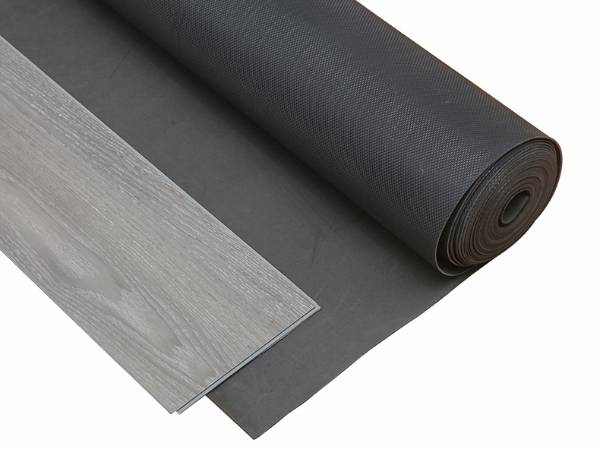
The closed-cell structure of IXPE means that its individual cells are sealed off from one another. This characteristic is responsible for many of IXPE’s advantages:
Advantages
- Superior Sound Reduction: IXPE offers excellent soundproofing capabilities, making it a preferred choice for noise-sensitive environments. The Sound Transmission Class (STC) rating, a standard measure of a material’s ability to reduce airborne sound transmission, is often used to compare underlayments. IXPE underlayments generally have higher STC ratings than many other types, contributing to a quieter living space.
- Moisture Resistance: The closed-cell structure of IXPE makes it highly resistant to moisture. It doesn’t absorb water and prevents it from passing through, effectively protecting flooring materials from moisture damage, mold, and mildew. This makes IXPE a suitable option for areas prone to humidity or moisture, such as basements and bathrooms.
- Thermal Properties: IXPE acts as a thermal insulator, helping to regulate floor temperatures and potentially reduce energy consumption. The R-value measures a material’s thermal resistance, and while IXPE may not have the highest R-value compared to some insulation materials, it still contributes to a warmer and more comfortable floor.
- Durability and Longevity: IXPE is known for its durability and resistance to compression. Unlike some underlayments that flatten or lose their effectiveness over time, IXPE maintains its shape and thickness, providing consistent performance for many years.
- Easy Installation: IXPE underlayment is lightweight and easy to handle, making it user-friendly for both professionals and DIY enthusiasts. It can be easily cut and installed without requiring specialized tools or adhesives.
Applications of IXPE
Due to its versatility, IXPE underlayment is suitable for use with various flooring types, including:
- Laminate flooring
- Engineered wood flooring
- Vinyl plank flooring
- Hardwood flooring (with proper vapor barrier considerations)
Recent Innovations in IXPE Technology
Research and development in IXPE technology continue to lead to new and improved products. Some recent innovations include:
- IXPE underlayments with integrated vapor barriers for enhanced moisture protection.
- IXPE underlayments with higher density for improved sound reduction properties.
- IXPE underlayments with antimicrobial properties to inhibit mold and bacterial growth.
These advancements further enhance the benefits of IXPE, making it an attractive option for those seeking a high-performance underlayment.
Disclaimer:
The information provided in this section is intended to be informative and educational. The specific properties and performance of IXPE underlayments may vary depending on the manufacturer and product. It’s recommended to research and compare different products to find the best fit for your specific flooring project and requirements.
Choosing the Right IXPE Underlayment: A Buyer’s Guide
Selecting the right IXPE underlayment involves considering several key factors:
Flooring Type: Different flooring types may have specific underlayment requirements. For example, laminate flooring might need a thinner underlayment than engineered wood. Refer to your flooring manufacturer’s recommendations for guidance.
Sound Reduction Needs: How important is soundproofing in your project? If noise reduction is a top priority, look for IXPE underlayments with higher STC ratings.
Budget: IXPE underlayments vary in price depending on thickness, brand, and additional features. Determine your budget beforehand to narrow down your options.
Additional Features: Some IXPE underlayments come with additional features like integrated vapor barriers for enhanced moisture protection or antimicrobial properties to inhibit mold growth. Consider if these features are relevant to your needs.
Thickness Matters
IXPE underlayments are available in various thicknesses, typically ranging from 1mm to 3mm or more. The thickness you choose can impact several factors:
- Sound Reduction: Generally, thicker underlayments offer better soundproofing. However, it’s important to strike a balance as excessively thick underlayment can affect the stability of floating floors.
- Comfort: Thicker underlayments provide more cushioning and comfort underfoot.
- Subfloor Imperfection Correction: Thicker underlayments can help to smooth out minor imperfections in the subfloor.
Popular Brands and Products
Several reputable brands offer IXPE underlayment products. Some well-known options include:
- QuietWalk: Offers a range of IXPE underlayments with various thicknesses and features.
- FloorMuffler: Known for their high-quality IXPE underlayments with excellent sound reduction.
- QEP: Provides a variety of IXPE underlayment options for different flooring types.
- Roberts: Offers a selection of IXPE underlayments with integrated vapor barriers.
It’s important to note that this is not an exhaustive list and many other brands offer quality IXPE underlayment products. It’s recommended to research and compare different products based on your specific needs and budget.
Remember, choosing the right IXPE underlayment is a crucial step in ensuring a successful and satisfying flooring installation. By considering the factors mentioned above and researching available products, you can find the perfect underlayment to meet your needs and enhance the performance of your floors.
Installation Tips & Best Practices for IXPE Underlayment
A successful IXPE underlayment installation starts with proper preparation and adherence to best practices:
Preparation:
Subfloor Leveling: Ensure your subfloor is clean, dry, and level. Minor imperfections can be smoothed out, but larger issues may require professional leveling.
Cleaning: Thoroughly clean the subfloor to remove any debris, dust, or dirt that could interfere with the underlayment’s performance.
Installation Methods:
IXPE underlayment is typically installed using one of two methods:
Floating Floor: This is the most common method for laminate and engineered wood floors. The underlayment is laid out in a continuous sheet, with seams taped together, and the flooring is installed directly on top without adhesive.
Glue-Down: In this method, the IXPE underlayment is glued directly to the subfloor using a recommended adhesive. This is sometimes used for vinyl flooring or in areas where additional stability is desired.
Common Mistakes to Avoid:
Overlapping Seams: Seams should be butted tightly together and taped, not overlapped. Overlapping can create unevenness and affect the performance of the underlayment.
Incorrect Vapor Barrier Placement: If your IXPE underlayment doesn’t have a built-in vapor barrier, you might need to install a separate one. Ensure it’s placed correctly to prevent moisture issues.
Ignoring Manufacturer’s Instructions: Always follow the manufacturer’s specific instructions for the IXPE product you’re using.
Maintenance Tips:
- Regular Cleaning: Vacuum or sweep your floors regularly to remove dirt and debris that could potentially damage the underlayment over time.
- Spills and Leaks: Clean up spills and leaks promptly to prevent moisture from seeping through to the underlayment.
- Heavy Furniture: Use furniture pads under heavy objects to distribute weight evenly and prevent indentations in the underlayment.
By following these tips and best practices, you can ensure a successful and long-lasting IXPE underlayment installation, providing you with years of comfort, quiet, and protection for your floors.
FAQs
Is IXPE safe?
Yes, IXPE is considered safe for residential use. It is inert, non-toxic, and does not emit harmful fumes. It is also hypoallergenic, making it a suitable option for those with allergies or sensitivities.
Can I use IXPE under carpet?
While technically possible, IXPE underlayment is not typically recommended for carpets. Carpet pads specifically designed for comfort and moisture management are generally a better choice.
How long does IXPE last?
IXPE underlayment is known for its durability and can last for many years, even up to 20 or more depending on the quality and usage. It resists compression and maintains its shape over time, providing consistent performance for an extended period.
Is IXPE worth the extra cost?
The additional cost of IXPE underlayment compared to some traditional options is often offset by its superior benefits. IXPE offers excellent soundproofing, moisture resistance, thermal insulation, and durability, potentially leading to increased floor life and energy savings. Ultimately, the decision depends on your specific needs and budget, but many homeowners find the investment in IXPE to be well worth it.
Conclusion
IXPE underlayment offers a unique combination of sound reduction, moisture resistance, thermal insulation, durability, and ease of installation, making it a compelling choice for a wide range of flooring projects. Whether you’re seeking a quieter living space, a warmer floor, or simply a more comfortable feel underfoot, IXPE can provide the solution.
If you’re considering a new flooring project, we encourage you to explore the benefits of IXPE underlayment further. Research different brands and products, compare their features and specifications, and consult with flooring professionals to determine the best fit for your specific needs.
By investing in IXPE underlayment, you’re not only enhancing your floors but also creating a more comfortable, enjoyable, and long-lasting living space.


Leave a Reply