Water stains?
Carpet fibers clinging to everything your pet sheds?
Or maybe you’re simply tired of laminate that scratches at the slightest bump?
If any of these scenarios sound familiar, you’re not alone.
Homeowners have long struggled with flooring that can’t keep up with the demands of everyday life. But the flooring game has changed.
SPC flooring is the durable, stylish, and surprisingly affordable solution you’ve been waiting for. This innovative material is waterproof, scratch-resistant, and built to handle high traffic.
Plus, with designs that mimic wood, tile, and stone, you don’t have to sacrifice style for practicality.
In this guide, we’re cutting through the hype and giving you the straight facts about SPC flooring. You’ll learn what makes it unique, how it stacks up against other flooring types, and what to consider before making the switch. Whether you’re a DIY enthusiast or a seasoned renovator, this guide will help you make an informed decision about the future of your floors.
Get ready to ditch the flooring headaches and discover a world of possibilities with SPC…
Q: What is SPC Flooring?
Stone Plastic Composite
Or Stone Polymer Composite, is a type of luxury vinyl flooring known for its durability & waterproof properties. Unlike traditional vinyl flooring, SPC has a rigid core made primarily of limestone powder and polyvinyl chloride (PVC). This dense core gives SPC flooring its strength and dimensional stability, making it less prone to expansion and contraction with temperature changes.
Limestone is finely ground into a uniform powder, ensuring consistent mixing, while PVC resin is typically sourced in pellet or powder form.
Extrusion: The Heart of the Process
The heart of SPC flooring manufacturing is the extrusion process. An extruder, a machine utilizing heat and mechanical shearing, thoroughly mixes the limestone powder, PVC resin, and various additives (stabilizers, plasticizers, pigments) into a homogenous mixture. This step is crucial, as the extruder’s design and operating parameters significantly influence the quality of the final composite.
Calendering: Shaping the Flooring
The hot, molten mixture is then passed through a series of rollers in a process called calendaring. This forms a continuous sheet of the desired thickness, which can be precisely controlled by adjusting the number of rollers, their temperature, and speed.
Optional Embossing: Adding Texture
To create textured surfaces like wood grain or stone patterns, the sheet may undergo embossing before cooling. This involves passing the sheet through an embossing roller, which imparts the desired texture.
Cooling, Cutting, and Finishing
The sheet is cooled and solidified in a controlled manner to prevent warping or internal stresses. Once cooled, it is cut into individual planks or tiles. A wear layer, typically a clear vinyl, is applied to the top surface for enhanced scratch and stain resistance. Additionally, a UV coating may be added to protect against fading caused by sunlight exposure.
Key Takeaways
- Limestone and PVC, combined through a precise mechanical process, create the unique properties of SPC flooring.
- Extrusion plays a critical role in achieving a well-mixed, uniform composite.
- Calendering shapes the flooring and allows for precise thickness control.
- Optional embossing adds texture and aesthetic appeal.
- The cooling process is carefully controlled to ensure the finished product’s quality.
- Wear layers and UV coatings provide added protection and durability.
By understanding the mechanical intricacies of SPC flooring manufacturing, we gain a deeper appreciation for this innovative and versatile flooring option that continues to redefine modern interiors.
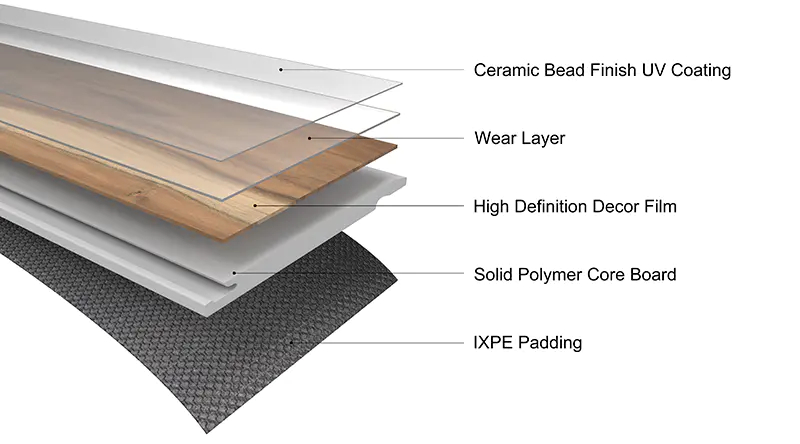
The Anatomy of an SPC Plank
A typical SPC plank is constructed with several layers:
- Wear Layer: The top layer, made of clear vinyl, protects the design layer from scratches, stains, and UV damage. The thickness of the wear layer indicates the durability of the flooring.
- Printed Design Layer: This decor film gives SPC flooring its visual appeal, with high-resolution images mimicking the look of wood, stone, or tile.
- SPC Core: The heart of SPC flooring, this layer is composed of limestone powder, PVC, and stabilizers. It provides the plank with its rigidity, water resistance, and dimensional stability.
- Backing Layer: Usually made of cork or foam, this layer adds comfort underfoot and can help with sound absorption.
Key Features:
- Waterproof: Virtually impervious to water, an ideal choice for kitchens, bathrooms, basements, and other moisture-prone areas.
- Durability: Resistant to scratches, dents, and stains, suitable for high-traffic areas and homes with pets or children.
- Dimensional Stability: The dense core prevents expansion and contraction with temperature fluctuations; suitable for installation over large areas or in rooms with radiant heating.
- DIY-Friendly: Many SPC flooring options come with click-lock installation systems; easy and fast installation without the need for glue or nails.
- Variety of Styles: SPC flooring comes in a wide range of colors, patterns, and textures, mimicking the look of natural materials like wood, stone, and tile.
A Brief History
SPC flooring emerged as an evolution of traditional luxury vinyl flooring (LVP). While early LVP options had flexible cores, SPC introduced the rigid core, offering superior stability and water resistance. This innovation quickly gained popularity, and SPC flooring has become one of the fastest-growing segments in the flooring industry.
SPC Flooring vs. The Competition
To understand why SPC flooring is gaining popularity, it’s helpful to compare it to other common flooring options:
| Feature | SPC Flooring | Laminate Flooring | WPC Flooring | Hardwood Flooring | Ceramic/Porcelain Tile |
|---|---|---|---|---|---|
| Water Resistance | Excellent | Poor | Good | Poor | Excellent |
| Durability | Excellent | Good | Good | Good (if maintained) | Excellent |
| Stability | Excellent | Good | Good | Fair | Excellent |
| Comfort | Good | Good | Better (softer) | Good | Hard |
| DIY Installation | Easy | Easy | Easy | Difficult | Difficult |
| Cost | Moderate | Low | Moderate-High | High | High |
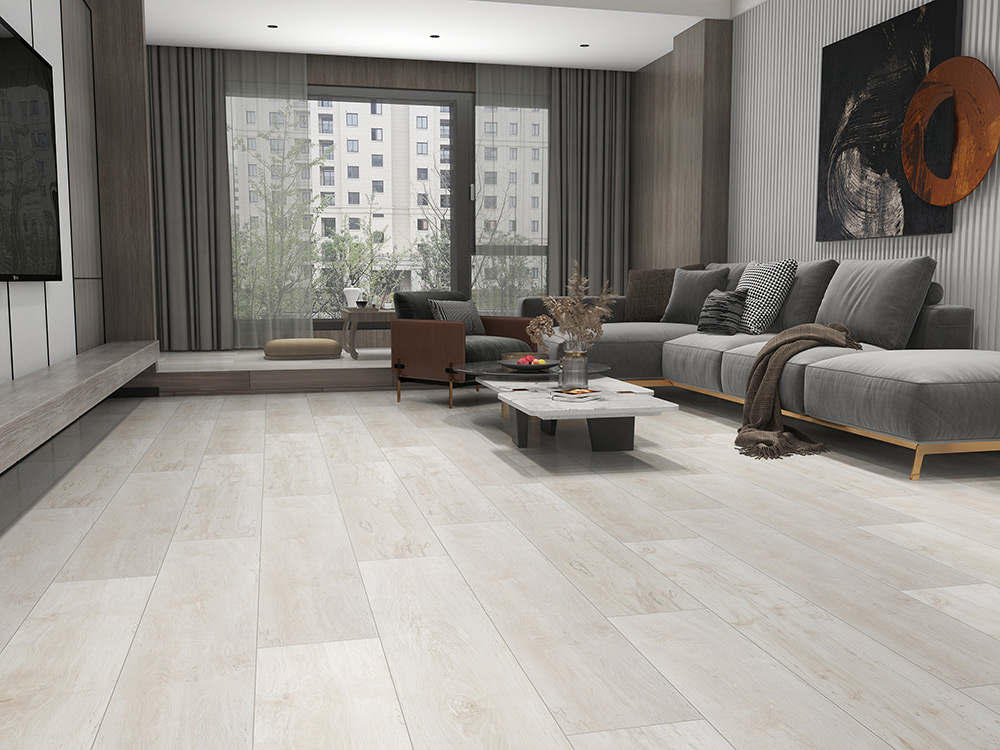
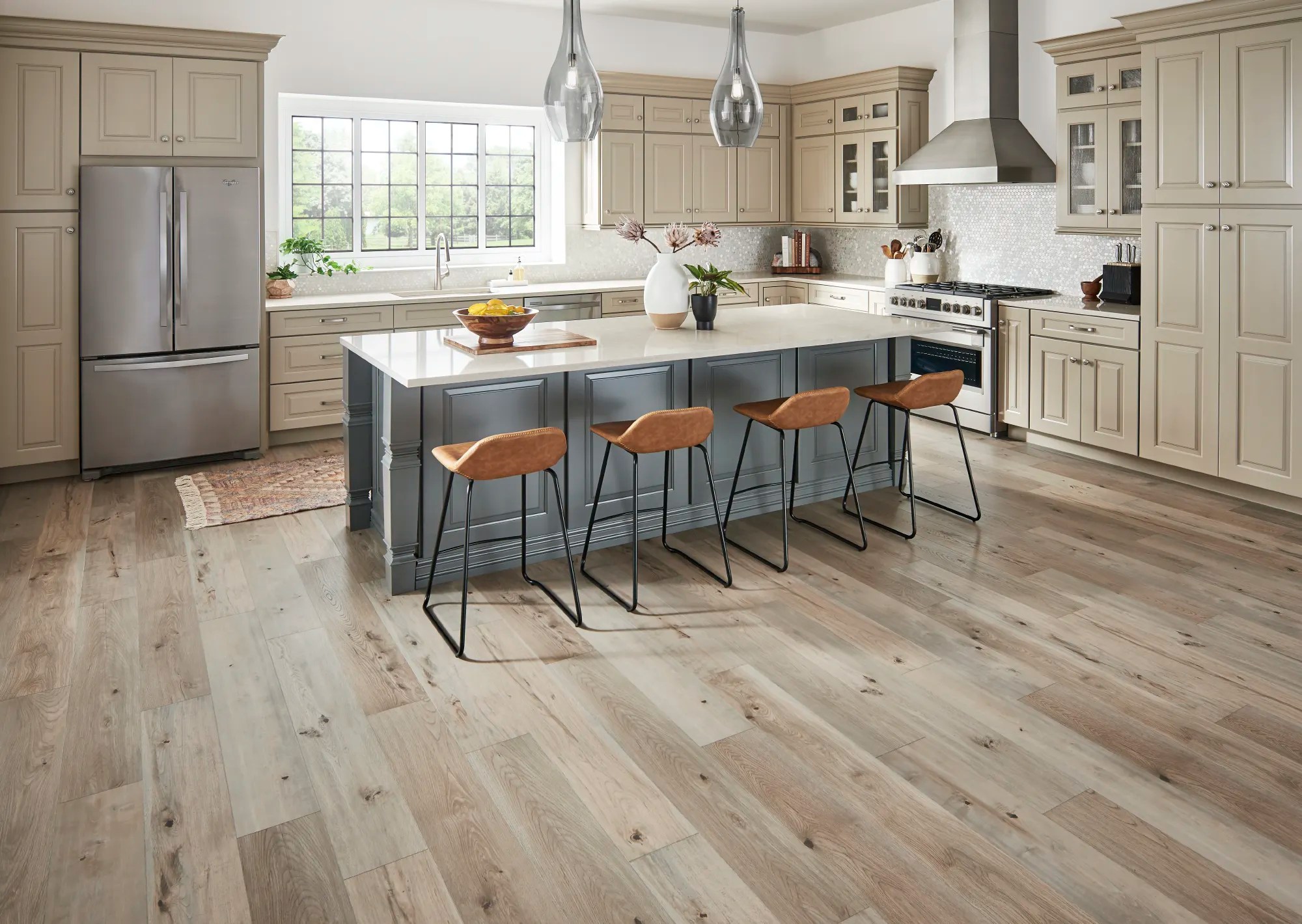
SPC vs. Laminate
Think of SPC flooring like a durable hiking boot, built for all terrains and weather conditions. It’s tough, waterproof, and can handle a lot of wear and tear.
Laminate, on the other hand, is more like a stylish sneaker. It’s great for everyday use, looks good, and is comfortable to walk on. But it’s not as rugged as a hiking boot and won’t fare as well in extreme conditions (like heavy rain or sharp rocks).
SPC vs. WPC
While both SPC and WPC offer waterproof protection, SPC takes the lead in durability and stability thanks to its denser core. This makes it a bit harder underfoot than WPC, but it also means it’s more resistant to dents and scratches. If you’re looking for the most resilient flooring, SPC is the clear winner. However, if you prioritize a softer feel and a bit more give underfoot, WPC might be a better fit for you.
SPC vs. Hardwood:
Hardwood floors are timeless, but SPC offers similar beauty with modern advantages:
Waterproof: Say goodbye to worries about water damage that can ruin hardwood.
Scratch-resistant: Withstands daily wear and tear better than hardwood.
Warmer & softer: Unlike cold hardwood, SPC is comfortable underfoot.
Affordable & DIY-friendly: Save on both material and installation costs.
If you love the look of hardwood but want a more durable, worry-free option, SPC is the way to go.
SPC vs. Tile:
Tile is durable, but SPC offers similar resilience with added benefits:
Quieter: Reduces noise compared to the echo of tile.
More forgiving: Provides a slightly more comfortable surface for walking and standing.
Easier to install & replace: No messy grout or special tools required.
Less expensive: A more budget-friendly option than tile.
If you like the look of tile but want a quieter, easier-to-maintain, and more affordable floor, SPC is a smart choice.
SPC Flooring Trends & Government Updates
Latest Trends in SPC Flooring
SPC flooring isn’t just about function; it’s also keeping pace with the latest design trends. Here’s what’s hot in the world of SPC:
Realistic Wood and Stone Looks: Advancements in printing technology have made it possible to create SPC flooring that convincingly mimics the look and feel of natural wood and stone. This means you can enjoy the warmth of hardwood or the elegance of marble without the associated costs and maintenance hassles.
Wide Plank Formats: Wide plank SPC flooring (typically 7-9 inches wide) is becoming increasingly popular. It creates a more spacious and luxurious feel, particularly in larger rooms.
Embossed-in-Register (EIR) Textures: EIR technology adds depth and realism to the printed design by aligning the texture with the pattern. This means that the grain you see on a wood-look SPC plank will also be felt underfoot, adding to the authenticity of the experience.
Textured Surfaces: Beyond wood and stone, textured SPC options are emerging, including those that mimic fabric, leather, or even concrete. These textured surfaces add visual interest and tactile appeal to any space.
Color Palettes: While classic wood tones and neutral stone colors remain popular, we’re also seeing a trend towards bolder colors and patterns in SPC flooring. From muted grays and blues to rich terracottas and greens, there’s an SPC option to suit every taste and style.
Industry Growth & Market Projections
SPC flooring isn’t just a passing fad;
it’s a rapidly growing segment of the flooring industry. According to Verified Market Reports, the global SPC flooring market was valued at $3.65 billion in 2023 and is projected to reach a staggering $10.93 billion by 2030, growing at a compound annual growth rate (CAGR) of 17.1%. This exponential growth can be attributed to several factors, including:
Increased Consumer Awareness: Homeowners are becoming more educated about the benefits of SPC flooring, such as its durability, water resistance, and ease of installation.
Rising Demand for Waterproof Flooring: With concerns about water damage and the desire for low-maintenance flooring options, SPC is meeting a growing need in the market.
Affordability: SPC offers a cost-effective alternative to hardwood and tile, making it accessible to a wider range of consumers.
Government Regulations & Safety Standards
As with any building material, there are regulations in place to ensure the safety and quality of SPC flooring. In the United States, the FloorScore® certification program tests and certifies hard surface flooring and flooring adhesives for compliance with indoor air quality emissions. Many reputable SPC flooring brands carry the FloorScore® label, indicating that their products meet strict indoor air quality standards.
Sustainability Concerns and Efforts
While SPC flooring offers numerous benefits, concerns about its environmental impact have been raised. The production of PVC, a key component of SPC, involves the use of fossil fuels and can release harmful chemicals. Additionally, SPC flooring is not biodegradable and can be difficult to recycle.
However, there are efforts underway to make SPC flooring more sustainable. Some manufacturers are exploring the use of recycled materials in SPC production and developing recycling programs for end-of-life SPC flooring. Additionally, advancements in manufacturing processes aim to reduce emissions and minimize the environmental impact of SPC production. While SPC may not be the most eco-friendly flooring option available, the industry is actively working towards more sustainable solutions.
FAQs
Q: Is SPC flooring truly waterproof?
A: The SPC core itself is waterproof, meaning it won’t swell, warp, or degrade when exposed to water. However, water can still seep into the seams between planks if not properly sealed during installation. While most SPC flooring comes with tight-locking mechanisms that create a fairly water-resistant barrier, it’s not entirely foolproof. For areas prone to frequent spills or standing water (like bathrooms or basements), consider opting for SPC flooring with pre-applied sealant on the edges or using additional seam sealer during installation for added protection.
Q: Can I install SPC over existing floors?
A: In many cases, yes.
SPC flooring’s floating installation method allows it to be laid over most existing hard surfaces like tile, hardwood, or concrete, as long as they are level, smooth, and free of damage. However, if you have existing carpet, vinyl, or laminate with attached padding, it’s usually recommended to remove it first to ensure a stable and even base for the SPC planks. If your subfloor has any imperfections or moisture issues, it’s crucial to address those before installing SPC flooring to avoid future problems.
Q: Is SPC flooring easy to clean and maintain?
A: Yes, SPC flooring is a breeze to maintain.
Regular sweeping or vacuuming with a soft brush attachment is usually sufficient to remove dust and debris. For spills or sticky messes, a damp mop with a mild cleaning solution can be used. Avoid abrasive cleaners or excessive moisture, which can damage the wear layer. For best results, follow the manufacturer’s specific cleaning and maintenance instructions.
Q: How long does SPC flooring typically last?
A: The lifespan of SPC flooring can vary depending on several factors, including the thickness of the wear layer, the amount of foot traffic it receives, and how well it’s maintained.
- A thicker wear layer provides better protection against scratches and wear, ultimately extending the floor’s lifespan.
- High-traffic areas may experience more wear and tear than less frequently used rooms, affecting the floor’s longevity.
- Proper care and cleaning can significantly extend the lifespan of your SPC floor.
On average, with proper care and maintenance, you can expect SPC flooring to last 15-25 years, with higher quality products potentially lasting even longer.
Q: Is SPC flooring safe for children and pets?
A: Yes,
SPC flooring is a safe choice for households with children and pets. It’s made from non-toxic materials and doesn’t emit harmful VOCs (volatile organic compounds). Its scratch-resistant surface can withstand playful paws and rambunctious toddlers, and its waterproof nature means accidents are easy to clean up.
Q: What are the average costs for SPC flooring?
A: Refer to TIQ
TIQ:
Thickness/Wear Layer:
Thicker wear layer = longer lifespan & higher price
Installation Method:
Glue-down = pricier than floating
Quality:
Additional features (e.g., attached underlayment)
On average,
SPC flooring typically costs between $2 and $7 per square foot, including materials and installation. Budget-friendly options start around $1.50 per square foot, while premium products can reach $8 or higher, depending on quality and features.
Q: How do I choose the right SPC flooring for my needs?
A: Here’s a detailed and practice-oriented breakdown of essential factors to consider:
Wear Layer Thickness
The wear layer is the top protective surface of your SPC flooring, crucial for its longevity and resistance to everyday wear and tear. Here’s a guide to choosing the right thickness:
- 4-6mm: These budget-friendly options are ideal for low-traffic areas like bedrooms or guest rooms. They are cost-effective but may show signs of wear more quickly in high-traffic spaces or homes with pets and children.
- 8-12mm: This range is considered optimal for most residential applications. It strikes a balance between durability and affordability, making it suitable for living rooms, kitchens, and hallways where moderate to high foot traffic occurs.
- 12mm and above: These thicker wear layers are designed for high-traffic areas, commercial spaces, or homes with active pets. They provide superior scratch and stain resistance, ensuring that your floors maintain their appearance over time.
AC Rating
The Abrasion Class (AC) rating measures the flooring’s resistance to surface wear and helps determine its suitability for different environments:
- AC3: Suitable for moderate residential use, such as bedrooms and living rooms.
- AC4: Ideal for most residential applications and light commercial use, including kitchens, hallways, and offices.
- AC5: Designed for heavy residential and commercial use, making it perfect for retail stores, restaurants, and high-traffic areas.
Style and Design
SPC flooring comes in a wide range of styles to match your interior design preferences:
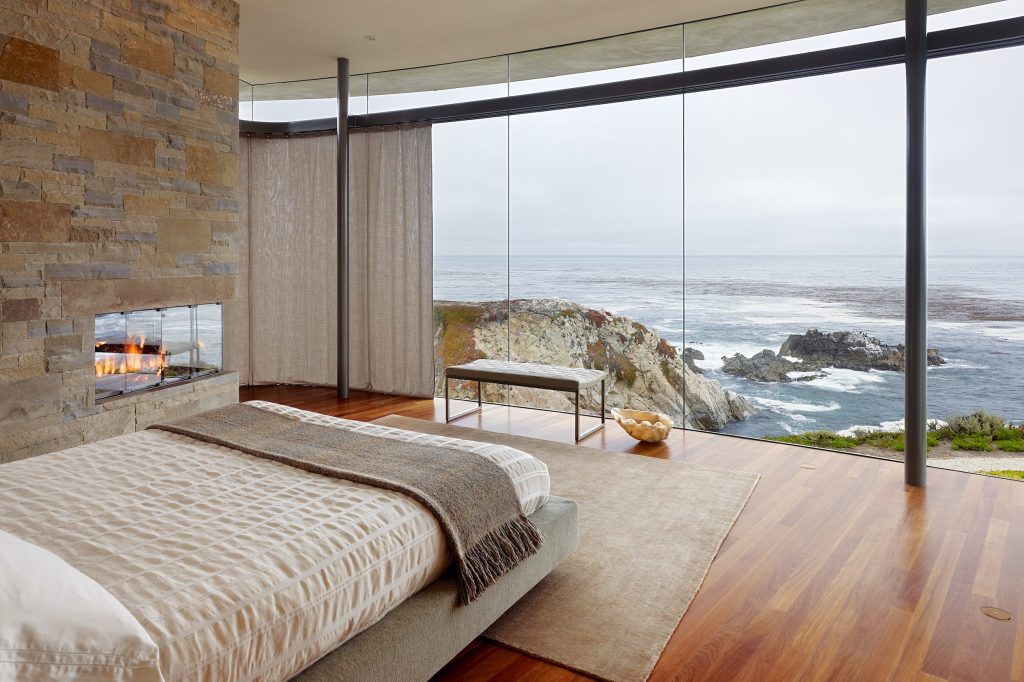
- Realistic Wood Looks: Choose from a variety of wood species, colors, and plank widths. Products with embossed textures that mimic the natural grain of wood add realism and warmth to any room.
- Stone and Tile Looks: SPC flooring can convincingly replicate marble, slate, travertine, and ceramic tiles, offering a stylish and low-maintenance alternative to natural stone.
- Modern Designs: For a contemporary aesthetic, consider SPC options with unique patterns, textures, or bold colors. Take into account the overall design of your home, lighting conditions, and personal preferences when selecting a style.
Brand Reputation & Warranty
- Research Brands: Opt for established brands known for producing high-quality SPC flooring. Read online reviews and ratings to gauge customer satisfaction and product performance.
- Compare Warranties: Examine the warranty terms and lengths, which typically cover manufacturing defects and wear-through. A comprehensive warranty is a good indicator of product reliability.
Additional Tips
- Underlayment: Using an appropriate underlayment can enhance comfort, sound insulation, and moisture protection. Ensure it is compatible with your SPC flooring and suitable for the intended use.
- Installation Method: Most SPC flooring is designed for click-lock floating installation, which is DIY-friendly. However, for best results and to protect your warranty, consider hiring a professional installer if you are unsure about the process.
Making an Informed Decision
Samples and Reviews: Don’t rely solely on brand claims. Request samples, read customer reviews, and compare different products to make an informed choice.
Consult a Professional: When in doubt, seek advice from a flooring professional. They can provide expert guidance tailored to your specific needs and ensure you select the best SPC flooring for your home.
By carefully considering these factors, you can confidently select SPC flooring that enhances the aesthetic appeal of your home and withstands the demands of everyday life.
Your Floors, Reimagined with SPC
SPC flooring is more than just a passing trend—it’s a flooring revolution.
Its unique blend of durability, water resistance, style, and affordability makes it a compelling choice for homeowners seeking a practical and beautiful flooring solution. Whether you’re renovating your entire home or simply looking to update a single room, SPC flooring offers a wealth of possibilities.
From bustling kitchens and humid bathrooms to cozy bedrooms and stylish living rooms, SPC can handle it all. Say goodbye to the worries of water damage, scratches, and stains, and say hello to floors that can keep up with your lifestyle.
If you’re ready to transform your home with flooring that looks great and performs even better, it’s time to explore the world of SPC. Visit flooring showrooms to see the wide array of styles and colors in person, request samples to test in your own home, and don’t hesitate to ask questions.
Have you already made the switch to SPC flooring? We’d love to hear about your experiences! Share your thoughts, questions, and success stories in the comments below. Let’s create a community of informed and happy SPC flooring enthusiasts!


Leave a Reply