
Picture this: It’s a warm summer afternoon in Fair Oaks, California, and I’m lounging in my cozy living room, enjoying the gentle breeze wafting through the open window. My eyes wander across the floor, where the sunlight dances on the surface of what appears to be rich, luxurious wood flooring.
Except…
It’s not wood at all!
It’s wood-looking linoleum, a flooring choice that has transformed not only my home but also my perspective on interior design. In a world where vinyl flooring rolls and peel-and-stick floor tiles reign supreme, linoleum often gets overlooked.
But let me tell you, dear reader, linoleum is a hidden gem in the realm of flooring options, and it’s high time it gets the recognition it deserves. But before we dive into the depths of why linoleum is worth your attention, let’s start with the basics.
What exactly is linoleum?
Contrary to popular belief, linoleum is not synonymous with vinyl flooring.
While both materials serve as durable and affordable flooring options, linoleum has its own unique composition and characteristics. Linoleum is made from natural materials such as linseed oil, pine rosin, wood flour, cork dust, and mineral fillers, all pressed onto a jute backing. This natural composition not only makes linoleum eco-friendly but also gives it a distinct resilience and longevity.
The history of linoleum stretches back to the 19th century when it was first patented by Englishman Frederick Walton in 1863. Originally known as “floorcloth,” linoleum quickly gained popularity due to its affordability and practicality. Its waterproof and easy-to-clean nature made it a staple in kitchens, bathrooms, and other high-traffic areas of homes and businesses alike.
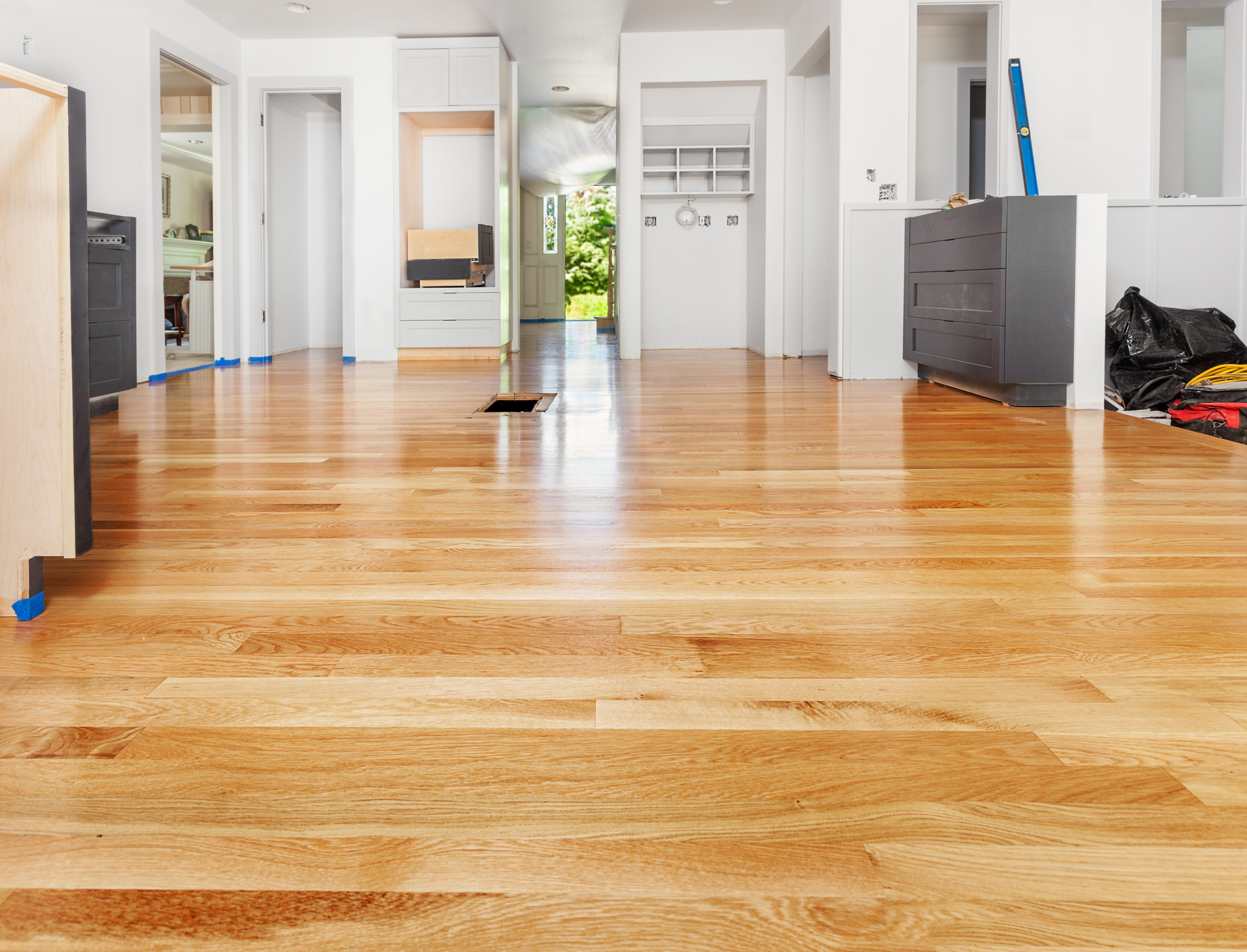
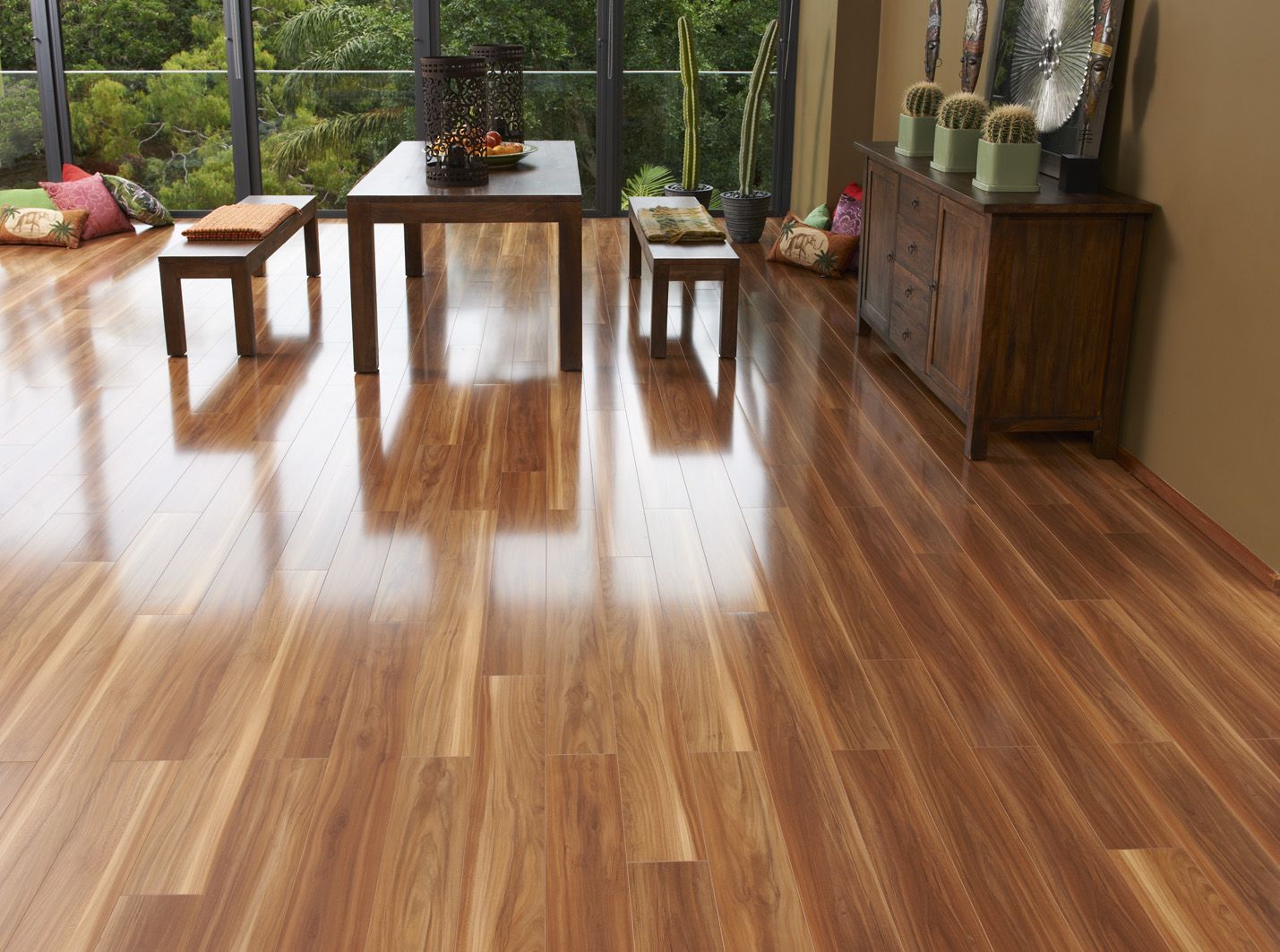
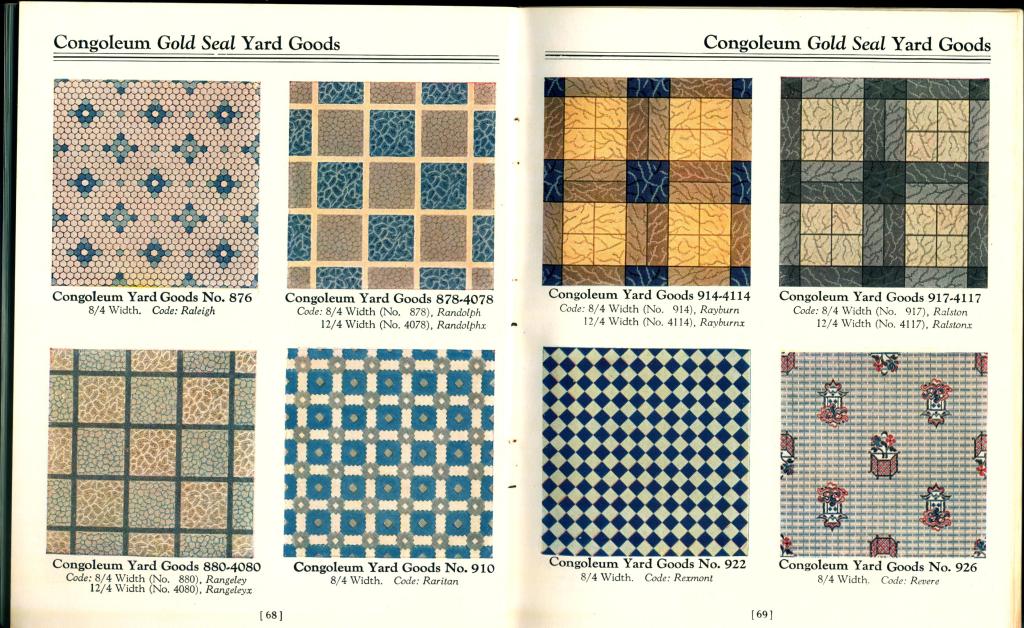
Fast forward to the present day, and linoleum has undergone a modern renaissance. With advancements in manufacturing techniques and design capabilities, linoleum now comes in a myriad of colors, patterns, and textures, including convincing wood-looking options that rival the real thing.
Let’s be honest, linoleum flooring can be a head-scratcher. Is it the eco-friendly hero some claim, or the outdated relic some might remember from school cafeterias? Here at EZ Floors INC, we understand your curiosity – and maybe even a hint of skepticism about this resurfacing trend.
We get it! That’s why we’ve tapped into our experience and consulted with flooring professionals to create this comprehensive Q&A. Consider us your trusted guide, here to answer your burning questions and empower you to make informed decisions about linoleum. Let’s unveil the mystery together!
Embracing the Return of Linoleum – Q&A
Q: Isn’t linoleum that old-fashioned stuff they used in schools?
A: Linoleum has been around for a long time, but it’s had a major makeover! Today’s linoleum comes in a wide variety of colors, patterns, and even wood-look finishes that are incredibly realistic. You can create a truly unique and stylish floor for any room in your home.
Q: I love the vintage look, but will linoleum still work in my modern space?
A: The beauty of linoleum is its versatility. It blends old-world charm with modern functionality perfectly. You can find options that complement a variety of design styles, from classic to contemporary.
Q: I’m trying to be more eco-friendly with my home renovations. Is linoleum flooring a good choice?
A: Absolutely! Unlike vinyl flooring, which is made from petroleum-based materials, linoleum is crafted from natural and renewable resources like linseed oil, cork dust, and wood flour. This makes it a much more sustainable flooring option.
Q: I’ve heard linoleum is good for businesses too. Why is that?
A: That’s right! Linoleum is a fantastic choice for commercial spaces like cafes and shops. It’s incredibly durable and can withstand heavy foot traffic without showing wear and tear easily. Plus, it’s relatively low-maintenance, making it a practical solution for busy business owners.
Q: Does linoleum require a lot of special care?
A: Linoleum is quite easy to maintain. Regular sweeping and mopping with a mild detergent solution should do the trick. No harsh chemicals are needed!


Other: Answering Your Burning Questions About Linoleum
Q: Is linoleum difficult to install?
A: Not at all! While professional installation is always an option, many homeowners opt for DIY installation, especially with the advent of peel-and-stick linoleum tiles. With proper preparation and attention to detail, laying linoleum can be a rewarding and relatively straightforward process.
Q: How does linoleum compare to vinyl flooring?
A: While both linoleum and vinyl flooring offer durability and affordability, there are some key differences to consider. Linoleum is made from natural materials and is biodegradable, whereas vinyl flooring is synthetic and non-biodegradable. Additionally, linoleum tends to be more resilient and longer-lasting than vinyl, making it a wise investment in the long run.
Q: Can linoleum mimic the look of other flooring materials?
A: Absolutely! Thanks to advancements in printing technology, linoleum can replicate the look of various flooring materials, including hardwood, tile, and stone. Whether you’re seeking the warmth of wood or the elegance of marble, there’s a linoleum option to suit your aesthetic preferences.
Insider Tips for Linoleum Success
Expert tips for maximizing the benefits of linoleum flooring:
- Invest in quality: When choosing linoleum flooring, opt for reputable brands known for their durability and craftsmanship. While it may cost slightly more upfront, investing in quality linoleum will pay off in the long run with its lasting beauty and resilience.
- Prepare the surface: Proper preparation is key to a successful linoleum installation. Ensure that the subfloor is clean, level, and free of any debris or moisture that could compromise the integrity of the flooring.
- Consider underlayment: While linoleum is inherently resilient, adding an underlayment can provide additional cushioning and sound insulation, especially in areas prone to foot traffic or noise.
- Maintain regularly: To keep linoleum flooring looking its best, practice routine maintenance such as sweeping or vacuuming to remove dirt and debris, and occasionally damp mop with a mild cleanser to remove stains and maintain its luster.
Conclusion:
In conclusion, linoleum is not just a flooring choice—it’s a statement. With its eco-friendly composition, timeless appeal, and versatile design options, linoleum offers a winning combination of style and sustainability that is hard to beat.
So, whether you’re renovating your home or revamping your business space, consider giving linoleum another look. I guarantee you won’t be disappointed with the results. Let’s embrace the beauty and practicality of linoleum together, one step (or tile) at a time.


Leave a Reply