We all can recount it. Let’s call it the “Great Laminate Debacle.” Cheap materials, YouTube-fueled overconfidence…
Needless to say, the uneven planks and wonky transitions can haunt you for months. However, that disaster may spark an obsession with floors! Now, I want to share a word of floor-geek wisdom with you so your own projects go a lot smoother.
Simply put, flooring is the bottom layer of a room, impacting everything from aesthetics to acoustics.
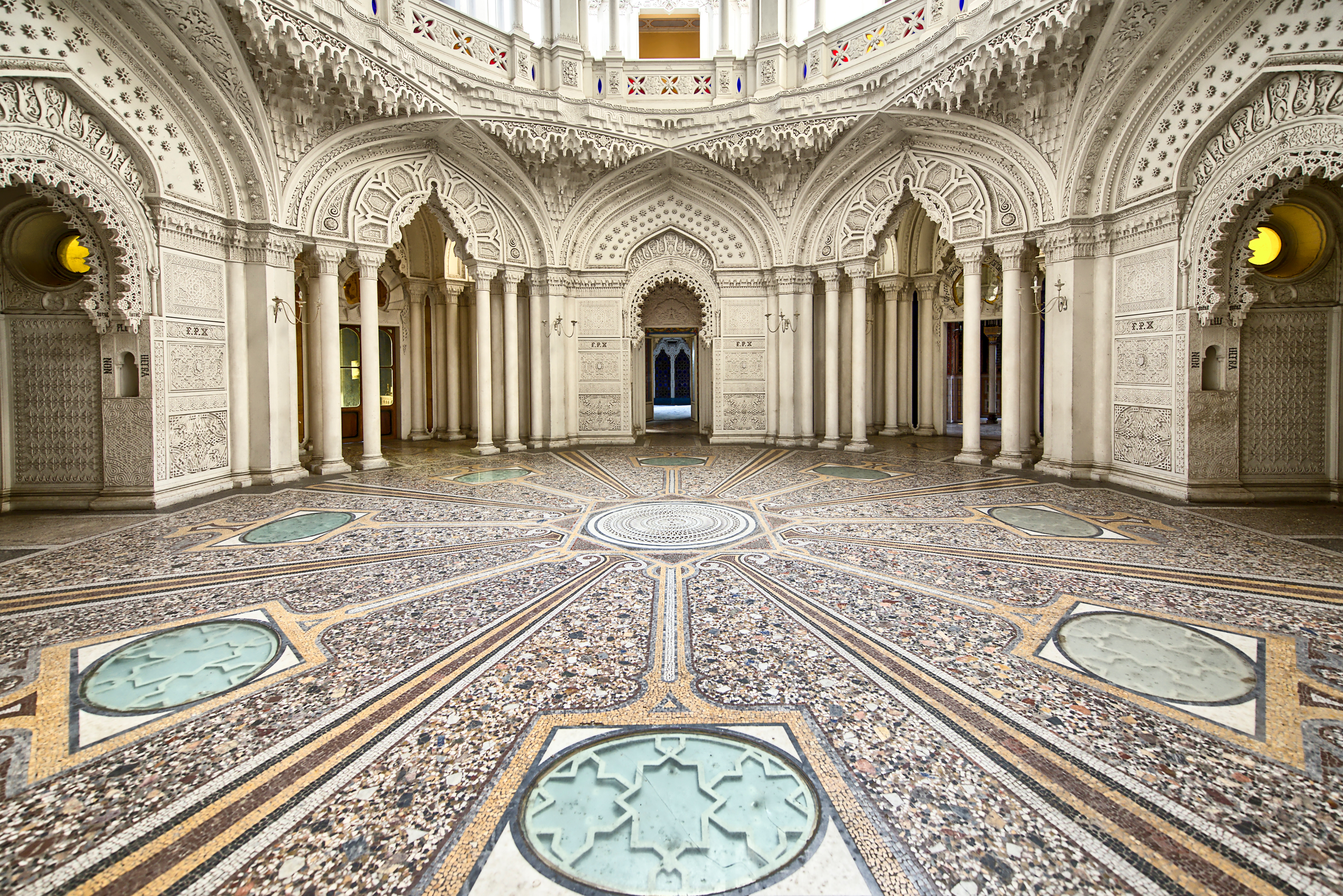
Throughout history, it’s evolved from basic packed earth to intricate mosaics to today’s limitless options. A well-chosen floor enhances the style of your home while standing up to the demands of your daily life.
Top Flooring Trends: Eco-Friendly, Textured, & More
- Eco-Options: Sustainability is front-and-center. Look for flooring with recycled content, sustainably harvested materials like bamboo, and low-VOC finishes. Cork is making a comeback for its warmth, comfort, and eco-friendly properties.
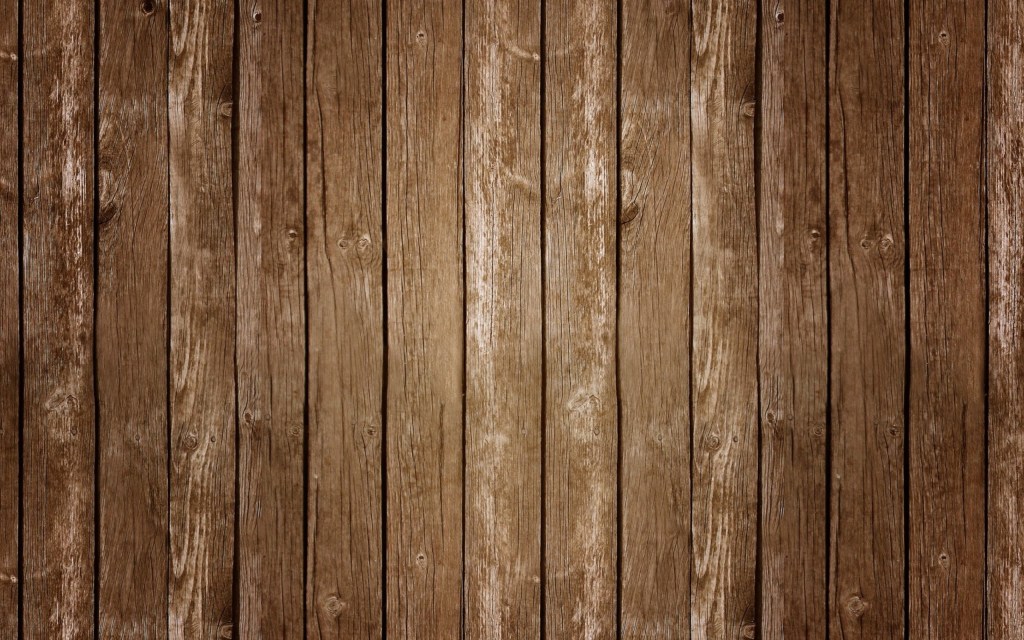
- Texture Takes the Stage: Think beyond smooth or glossy. Hand-scraped hardwoods, textured tiles, and even carpet with dimensional patterns bring inviting tactility to floors.
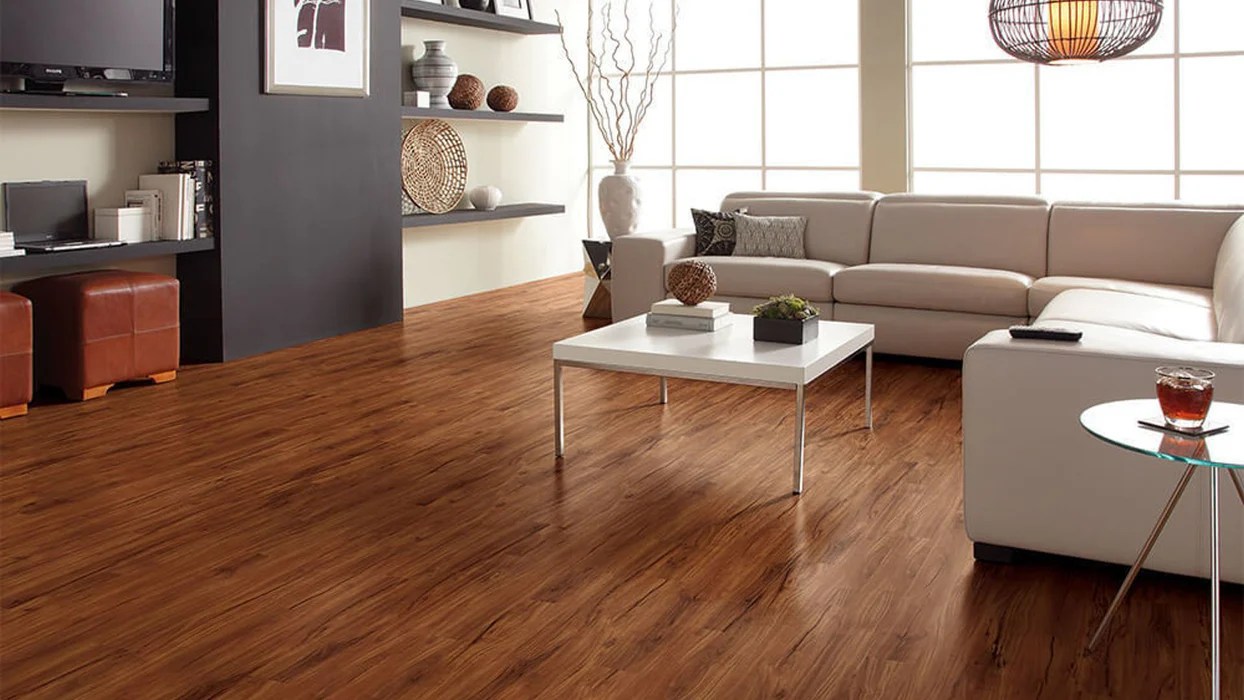
- Waterproof Wonders: Luxury vinyl has exploded in popularity thanks to 100% waterproof offerings that convincingly mimic other materials. Perfect for busy households, these floors put worries about splashes and muddy paws to rest.
Your Flooring FAQs Answered
- Q: What’s the best flooring for high-traffic areas?
- A: Resilience is key when choosing flooring built to last through heavy foot traffic. Porcelain tile’s hardness and moisture resistance make it ideal for kitchens, mudrooms, and bathrooms. Luxury vinyl has become a popular choice for its realistic visuals and ability to withstand scratches and scuffs. Look for a commercial-grade hardwood if you prefer the classic look – opt for a harder species like oak or maple and a wear-resistant finish.
- Q: Can I install flooring myself?
- A: The ease of DIY flooring installation varies significantly. Click-together flooring systems have made options like laminate or luxury vinyl planks much more accessible to homeowners. Installation of options like ceramic tile, stone, or hardwood usually necessitates more skills and specialized tools. Research your chosen material thoroughly, watch instructional videos, and don’t be afraid to call in a professional if the project becomes too overwhelming.
- Q: How do I choose a flooring color that won’t go out of style?
- A: Neutral tones are the safe bet for longevity, especially in large areas. Think warm beiges, soft greys, or classic wood tones. Use bolder colors, trendy patterns, or unique textures strategically – an eye-catching tile in a powder room or a patterned rug layered over your main flooring creates impact without overwhelming the space.
- Q: I’m on a tight budget. What are the most affordable flooring options?
- A: Today’s budget-conscious homeowners have surprisingly stylish options! Laminate flooring offers realistic wood and stone looks at a fraction of the cost of the genuine materials. Sheet vinyl has also evolved, with modern designs that can convincingly mimic pricier finishes. If your budget is extremely limited, peel-and-stick vinyl tiles are a DIY-friendly option – prepping your subfloor meticulously is crucial for a successful installation with these.
Section 4: A Blogger’s Top Tips
- Budget Wisely: Yes, flooring is an investment. However, remember to consider the total cost of ownership. Factor in the price of quality materials, installation costs (if you’re not doing it yourself), any required underlayments, and the long-term cleaning and maintenance needs of your chosen flooring.
- Don’t Skimp on Samples: This is where many people make a costly mistake! Before you commit to a flooring that covers entire rooms, invest in generous-sized samples. Live with those samples for a few days, observing how the color and texture shifts in the different lighting conditions of your home.
- The Underlayment Matters: Though unseen, underlayments impact everything from how the flooring feels underfoot to noise reduction. Some underlayments even offer crucial moisture protection for your subfloor and the flooring above it. Research the best type for your flooring choice and don’t treat it as an afterthought.
- Plan for Transitions: A smooth transition between flooring types adds a professional touch. Whether it’s hardwood flowing into a tiled shower or carpet meeting laminate in a hallway, invest in transition strips that are both functional and visually complement your floors.
- Hire a Pro (When in Doubt): DIY can be incredibly satisfying, but not every project is a good fit. If you have an uneven or damaged subfloor, lack the required tools, or feel overwhelmed by complex installation patterns, don’t let apprehension lead to costly mistakes. There’s no shame in calling in a qualified flooring installer – it could save you money and stress in the long run!
Conclusion Don’t think of flooring as a mere necessity. It’s the foundation of your home’s style and a major contributor to your comfort. Whether you dream of a DIY transformation or plan to hire a pro, a little research goes a long way. I hope these tips have empowered you to make smart flooring choices – and avoid your own version of the “Great Laminate Debacle”!
Call to Action: Have a flooring question I didn’t cover? Leave a comment below!


Leave a Reply