Imagine a world where your floor can be a canvas, a chameleon constantly morphing into the look of rich mahogany, cool slate tiles, or even a field of wildflowers. That’s the magic of laminate flooring, a material that cleverly combines practicality with aesthetic appeal. But before you dive headfirst into laminate land, there’s a friendly neighbor you should meet: vinyl flooring. Both are popular choices, and while they share some similarities, they have distinct personalities that make them perfect for different situations.
Let’s peel back the layers, shall we? Laminate boasts a layered construction, with a high-density fiberboard core forming its base. This core is then adorned with a decorative image, typically mimicking wood or stone, and finally sealed with a wear-resistant layer. Vinyl, on the other hand, is all about synthetics. Crafted entirely from PVC or similar materials, it comes in tiles or planks and can be made to resemble anything from hardwood to patterned mosaics.
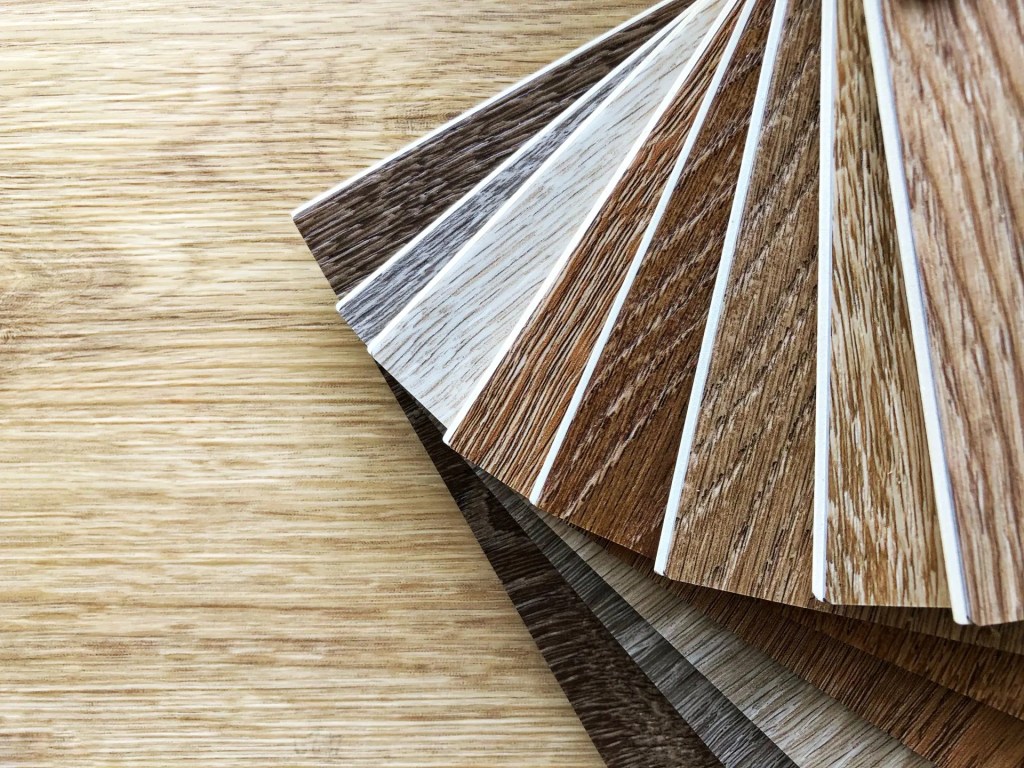
So, which flooring champion should you crown the king (or queen) of your castle? Here’s a breakdown to help you decide:
- Water Woes: If moisture is a constant concern, vinyl takes the gold medal. Its waterproof nature makes it ideal for bathrooms, kitchens, and laundry rooms. Laminate, with its wood core, can buckle and swell when exposed to excessive water, so keep it in drier areas.
- Style Stakes: Both laminate and vinyl offer a staggering array of styles. Laminate excels at replicating the look and texture of wood, while vinyl can achieve stunningly realistic stone or tile effects. The choice here depends on the aesthetic you’re going for.
- Durability Decisions: Both flooring options are tough cookies, but vinyl might have a slight edge. Its flexible nature makes it more forgiving of everyday wear and tear. Laminate, while scratch-resistant, can show damage more easily and is not as forgiving of subfloor imperfections.
Flooring Feud: A Tale of Two Kitchens
Let’s take a trip to kitchen land. Sarah, a busy mom of three, opted for the practicality of vinyl flooring. Spills from little hands and messy cooking adventures are no match for vinyl’s waterproof shield. On the other hand, John, a bachelor with a penchant for a rustic look, chose laminate for his kitchen. The deep wood grain finish complements his exposed brick walls and cast-iron cookware, creating a warm and inviting atmosphere.
Beyond the Binary: Exploring Other Flooring Options
While laminate and vinyl are popular choices, there’s a whole world of flooring materials out there. Here are a few to consider:
- Solid Hardwood: The undisputed king of luxury, solid hardwood offers timeless beauty and unmatched durability. However, it comes with a hefty price tag and requires special care.
- Engineered Hardwood: A more affordable cousin of solid hardwood, engineered wood boasts a real wood veneer over a plywood core. It’s easier to maintain than solid hardwood but might not be as water-resistant.
- Tile: From classic ceramic to sleek porcelain, tiles offer endless design possibilities. They’re incredibly durable and waterproof, making them perfect for high-traffic areas and wet rooms.
Ultimately, the perfect floor for your home depends on your lifestyle, budget, and desired aesthetic. Whether you choose laminate’s chameleon-like charm or vinyl’s practical prowess, remember, the floor you pick sets the foundation for your entire space. So choose wisely, and get ready to walk on a floor that reflects your unique style!


Leave a Reply