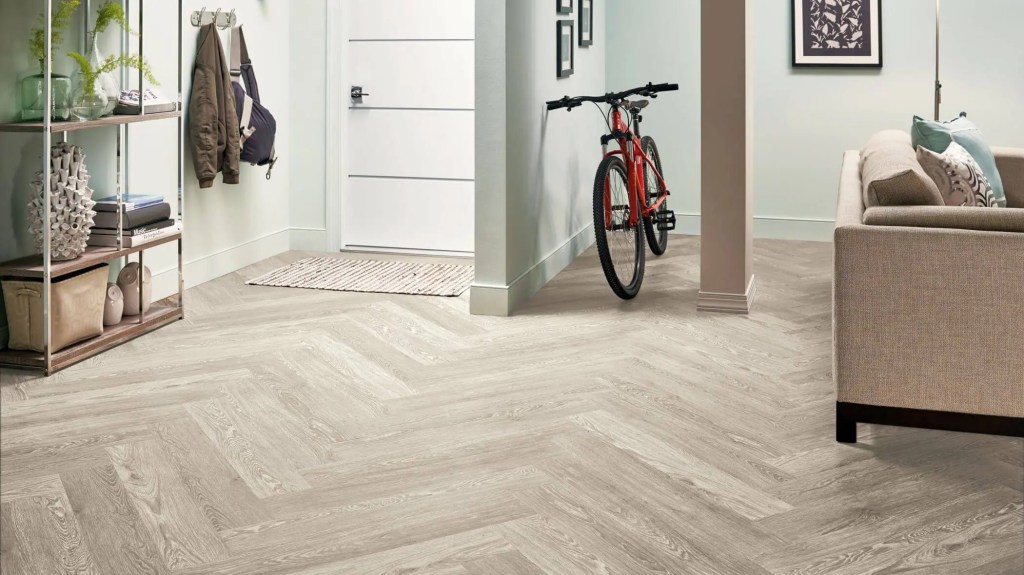
Vinyl Composition Tile (VCT) isn’t a new kid on the block.
This resilient flooring has been a workhorse in commercial spaces for decades – think schools, hospitals, and bustling retail stores. But lately, VCT isn’t just confined to hallways and cafeterias. It’s stepping into homes, making a surprising comeback in kitchens, bathrooms, and even living rooms.
What’s behind this resurgence? Is it a wave of retro chic, or is there more to VCT than meets the eye? The answer lies in a mix of practicality, affordability, and surprising versatility. VCT is no longer just the utilitarian choice; it’s proving to be a durable, cost-effective, and surprisingly stylish option for homeowners seeking a floor that can withstand the wear and tear of daily life.
In this article, we’ll delve into what makes VCT flooring tick. We’ll explore its composition, its pros and cons, and where it truly shines (and where it might not). Whether you’re considering VCT for your home renovation or simply curious about this flooring trend, read on to discover why VCT is more than just a blast from the past.
What is VCT Flooring?
VCT, or Vinyl Composition Tile, is essentially a blend of natural and synthetic materials engineered for durability and versatility.
Its primary ingredient is limestone, which provides the tile with its strength and rigidity. This is combined with polyvinyl chloride (PVC), a type of plastic that acts as a binder, holding the other components together. Fillers like clay and talc are added to enhance the tile’s structure and stability, while pigments provide a wide range of colors and patterns.
The manufacturing process involves mixing these raw materials into a homogeneous blend, which is then heated and pressed into sheets. These sheets are cut into individual tiles, typically 12 inches square. The tiles can then be further customized with various surface treatments, such as embossing or coatings, to create different textures and finishes.
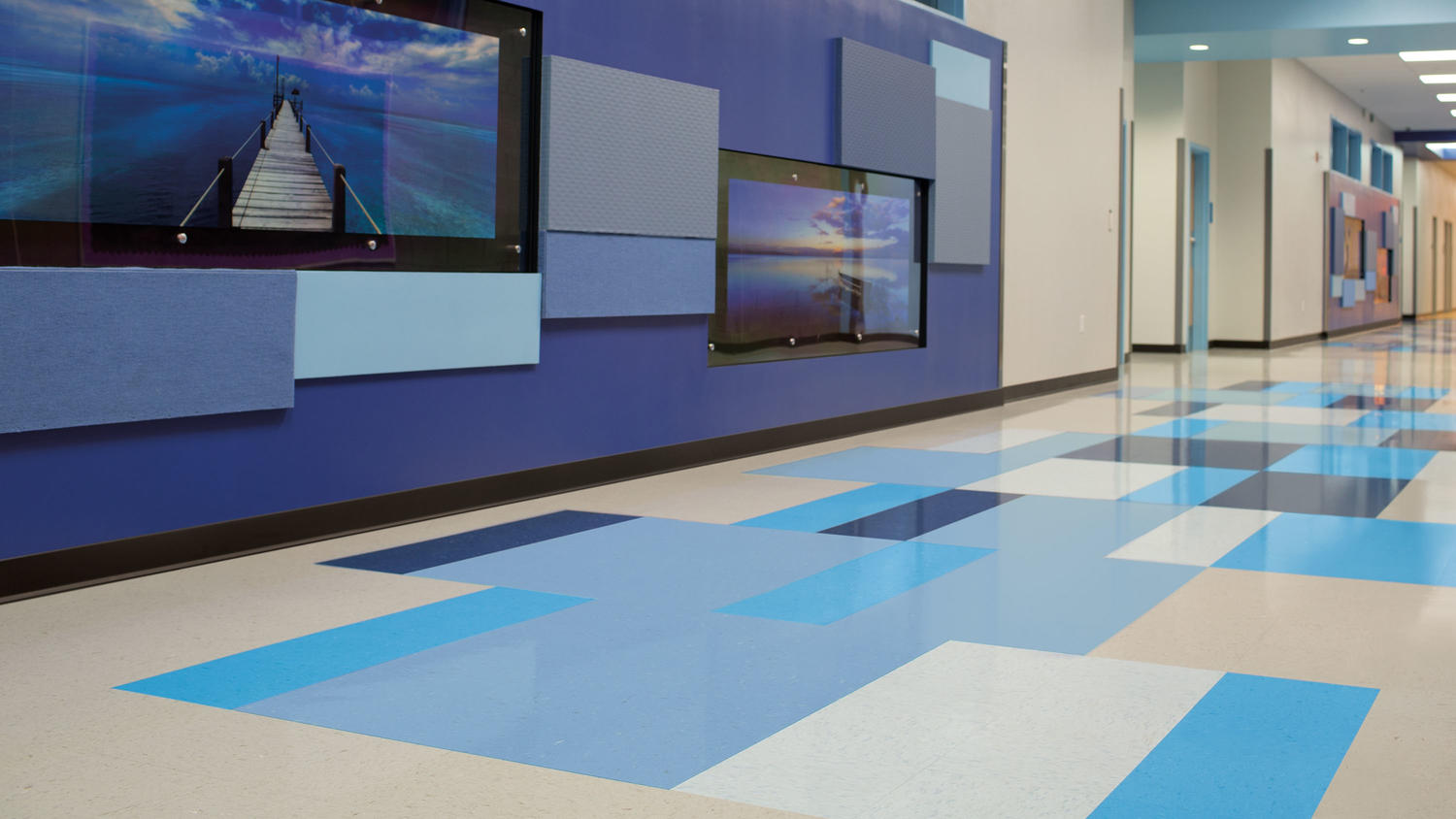
One of the most appealing aspects of VCT is its vast design potential.
It comes in a multitude of colors, from classic neutrals to bold brights, and can be patterned to mimic the look of stone, wood, or other materials. This allows for endless creative possibilities in both commercial and residential settings.
It’s important to note that VCT is distinct from Luxury Vinyl Tile (LVT). While both are types of vinyl flooring, LVT is generally thicker and more resilient, often featuring a photographic layer that replicates the look of natural materials with greater realism. LVT also tends to be more expensive than VCT. However, VCT holds its own with its affordability, durability, and ease of maintenance, making it a practical choice for many applications.
Why is VCT making a comeback?
VCT flooring’s resurgence isn’t a mere trend;
it’s a practical response to modern challenges and a rediscovery of long-standing benefits.
Durability: VCT is renowned for its exceptional durability.
Its composition, primarily limestone and PVC, makes it resistant to scuffs, scratches, and heavy foot traffic. This resilience is why VCT has long been a staple in high-traffic commercial settings, and it translates well to busy households with children and pets. Studies have shown that with proper maintenance, VCT floors can last for decades, even in demanding environments.
Cost-effectiveness: In an era of rising renovation costs, VCT stands out as a budget-friendly option.
Compared to hardwood, natural stone, or even luxury vinyl tile (LVT), VCT is significantly more affordable. This makes it an attractive choice for homeowners and businesses alike, especially for large-scale projects where cost savings can be substantial.
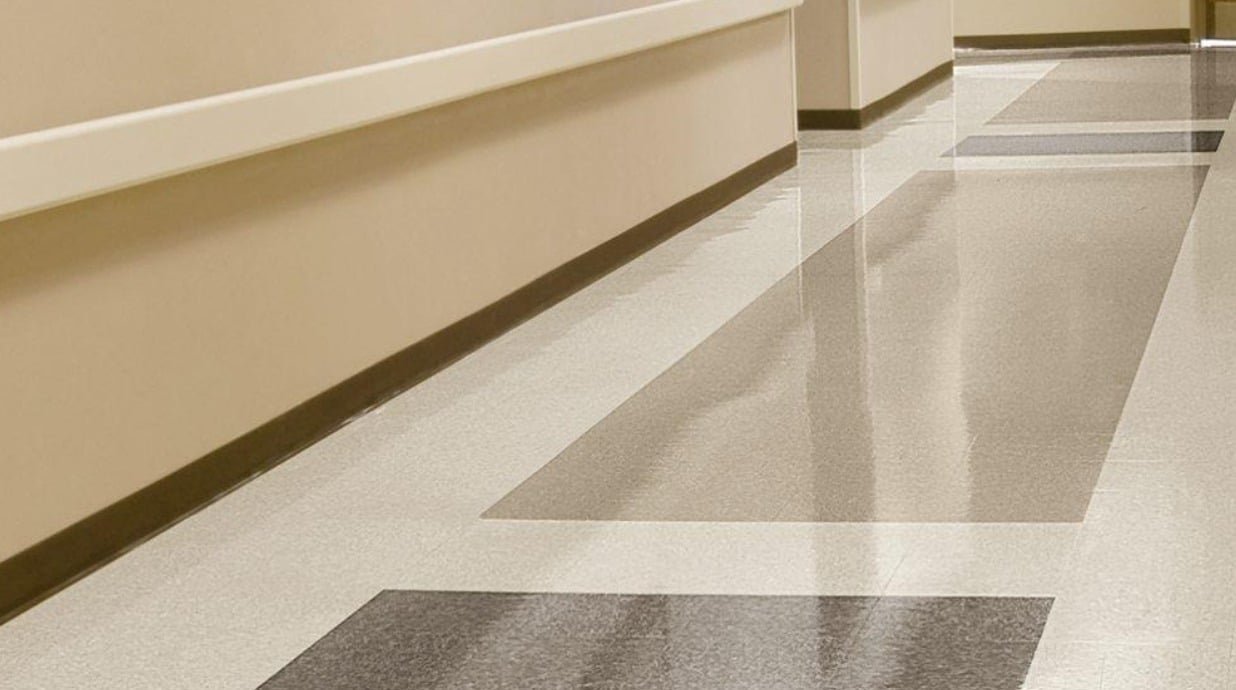
Maintenance: While VCT is durable, its longevity is directly linked to proper maintenance.
This is where its reputation can be somewhat polarizing. VCT floors require regular sweeping and mopping, and periodic stripping and resealing to maintain their appearance and performance. While this may seem like more upkeep than some flooring options, the payoff is a floor that can last for generations. We’ll delve deeper into VCT maintenance best practices later in this article.
Moisture resistance: VCT’s composition makes it inherently resistant to moisture.
Unlike hardwood, which can warp or buckle when exposed to water, VCT remains stable. This makes it an excellent choice for kitchens, bathrooms, basements, and other areas prone to moisture.
Versatility: One of VCT’s most compelling attributes is its design versatility.
It comes in a vast array of colors, patterns, and textures, allowing you to create virtually any look you desire. Whether you prefer a classic checkerboard pattern, a realistic stone or wood look, or a bold, graphic design, VCT can accommodate your aesthetic preferences.
Sustainability:
While not all VCT is created equal in terms of sustainability, the industry is making strides. Some manufacturers now offer VCT with recycled content, reducing the demand for virgin materials. Additionally, VCT’s long lifespan contributes to its overall sustainability, as it reduces the need for frequent replacement.
Labor shortages:
Amidst labor shortages in construction, VCT’s easy installation appeals to both DIYers and contractors. Compared to some flooring options, VCT can be installed more quickly and with less specialized labor, making it an appealing choice for both homeowners and contractors.
These factors combined have propelled VCT flooring back into the spotlight. It’s no longer just a practical choice for commercial spaces; it’s a versatile, stylish, and sustainable option for modern homes and businesses alike. Understanding where VCT flooring excels – and where it falls short – is crucial for making an informed decision about its use.
Where VCT Flooring Shines (and Where It Doesn’t)
Ideal Locations:
1. Commercial Settings:
Schools: VCT’s durability withstands the constant foot traffic and occasional spills that are common in school hallways, classrooms, and cafeterias. Its affordability makes it a practical choice for large-scale installations, and its easy maintenance means less disruption for cleaning and upkeep.
Hospitals: VCT’s moisture resistance and hygienic properties make it suitable for hospital environments, where cleanliness and sanitation are paramount. It can also withstand the rolling of medical equipment and frequent cleaning without deteriorating.
Retail Stores: In retail settings, VCT’s durability and resistance to stains and scuffs are invaluable. Its wide range of design options allows stores to create a visually appealing environment that aligns with their brand image.
2. Residential Settings:
Kitchens: VCT’s resilience to spills, stains, and heavy foot traffic makes it an excellent choice for kitchens. Its moisture resistance is a significant advantage in this frequently messy environment.
Bathrooms: Similar to kitchens, bathrooms benefit from VCT’s moisture resistance and ease of cleaning. Its variety of patterns and colors allows for creative bathroom designs.
Mudrooms and Entryways: These high-traffic areas need a floor that can handle dirt, moisture, and wear and tear. VCT fits the bill perfectly, providing a durable and low-maintenance solution.
Basements: Basements are often prone to moisture and dampness, making VCT an ideal choice. It can withstand occasional flooding or humidity without warping or deteriorating.
Playrooms: For families with children, playrooms need a floor that can handle toys, spills, and roughhousing. VCT’s durability and ease of cleaning make it a practical choice for this active space.
Not Ideal Locations:
1. Areas with Direct Sunlight:
VCT can fade or discolor over time if exposed to direct sunlight for extended periods. While advancements in UV-resistant coatings have improved VCT’s lightfastness, it’s still best to avoid using it in rooms with large windows or sunrooms.
2. Extremely Heavy Loads:
While VCT is durable, it’s not designed for industrial settings with exceptionally heavy machinery or equipment. In such environments, other flooring options like epoxy or concrete may be more suitable.
3. High-End Aesthetics:
While VCT has come a long way in terms of design and aesthetics, it may not be the best choice for those seeking a luxurious, high-end look. In these cases, hardwood, natural stone, or high-end LVT might be more appropriate.
By understanding the strengths and limitations of VCT flooring, you can make an informed decision about whether it’s the right fit for your specific needs and preferences.
Choosing and Installing VCT Flooring
Selecting the right VCT flooring is crucial for long-term satisfaction. Not all VCT is created equal, so it’s important to consider a few key factors when making your choice.
Quality Matters:
Pay attention to the tile’s thickness and wear layer. Thicker tiles with a robust wear layer will withstand more foot traffic and last longer. Look for products that meet or exceed industry standards for abrasion resistance. Additionally, consider the tile’s warranty as an indicator of its expected lifespan.
DIY vs. Professional Installation:
VCT installation is considered relatively DIY-friendly compared to other flooring types. If you’re comfortable with basic home improvement projects, you can likely tackle VCT installation yourself. However, professional installers bring expertise and experience, ensuring a flawless finish and potentially saving you time and frustration.
Installation Overview:
VCT installation typically involves several steps:
- Subfloor Preparation: The subfloor must be clean, level, and smooth to ensure proper tile adhesion.
- Adhesive Application: Spread VCT-specific adhesive evenly across the subfloor.
- Tile Placement: Lay the tiles carefully, following your chosen pattern.
- Sealing: After the adhesive has cured, apply a sealer to protect the tiles and enhance their appearance.
For detailed step-by-step instructions and helpful tips, refer to reputable online resources or consult a professional installer.
By choosing high-quality VCT and ensuring proper installation, you’ll set the stage for a beautiful and durable floor that can serve you well for years to come.
Conclusion
VCT flooring’s comeback is more than just a passing fad. It offers a compelling blend of practicality, affordability, and style that resonates with budget-conscious homeowners and businesses alike. From its exceptional durability and moisture resistance to its surprising design versatility, VCT proves that it’s a flooring solution that can withstand the test of time.
While not perfect for every situation, VCT shines in high-traffic areas, moisture-prone spaces, and anywhere you need a durable, low-maintenance floor. As the industry continues to innovate with more sustainable options and design choices, VCT’s future looks bright. If you’re looking for a flooring option that combines value with versatility, VCT might be the perfect choice for your next project.
Why not explore the possibilities and see if VCT can revitalize your floors and your budget?

